


 Shkruar nga Pamfleti
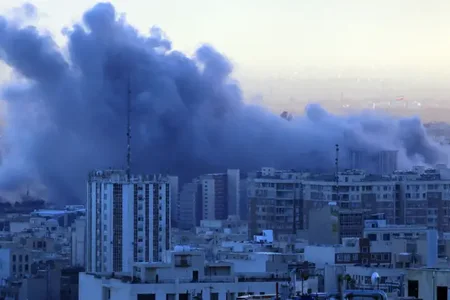
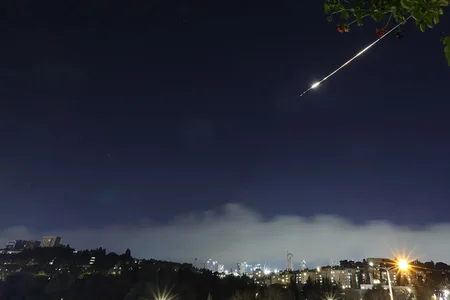
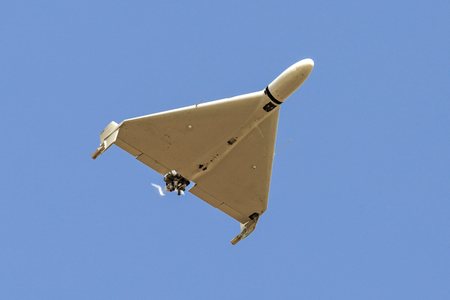
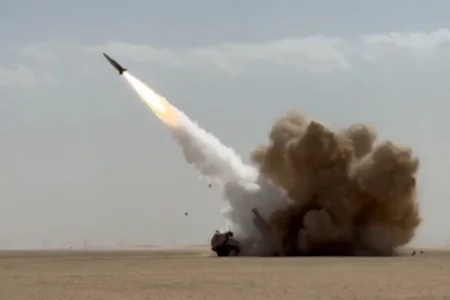
Dubai, which for decades has been a symbol of stability and safe business in the volatile Middle East, is facing serious challenges after Iranian missiles struck key parts of the city on Saturday. The attacks targeted airports, ports and hotels, killing three people and wounding 58 others, the United Arab Emirates' Defense Ministry said.
The incident has shaken what the city has spent years building, a reputation as a safe place to invest and live in a region known for conflict. Analysts warn that the psychological effects could be longer-lasting than the material damage.
"The physical damage may be limited, but Dubai as a safe haven for foreign investors and companies is now in serious uncertainty. The longer the conflict continues, the more intense the transfer of capital to other destinations will be," said Jim Krane, an expert at the Baker Institute at Rice University.
What was hit?
Among the facilities affected was Dubai International Airport, while a fire broke out at Jebel Ali Port and the luxury Burj Al Arab hotel suffered damage from shrapnel. There were also disruptions to technology services, including Amazon's cloud platforms, which also affected the work of some banks. As a result, the stock markets in Dubai and Abu Dhabi were closed on Monday and Tuesday.
Investors and companies are already reviewing their strategies as demand for gold has increased and some companies plan to reduce the number of employees.
Dubai and its "oil-free miracle"
The city has built its global name over the decades, transforming from a modest port city into an international financial and tourism hub. The opening of the Burj Al Arab in 1999, the launch of Emirates Airlines in 1985, and legal changes that allowed foreigners to own real estate were the foundations of the so-called “Brand Dubai.”
Dubai has almost completely abandoned its dependence on oil, which now accounts for less than two percent of its GDP. Instead, the city relies on trade, tourism, luxury real estate and financial services.
A matter of security and future
However, its strategic location near the Strait of Hormuz and tensions with Iran have always posed potential risks. Saturday's attacks make it clear that even Dubai, once a "safe haven," is not immune to geopolitical turbulence.
"Historically, UAE markets have shown resilience in crises, including the COVID-19 pandemic, but the current situation is different. The changes in perception are huge," said William Jackson, chief emerging markets economist at Capital Economics.
Despite the quick reactions and efforts by authorities to maintain control over the situation, the question remains how long the consequences of the attacks in Dubai will last, both for the economy and for the city's reputation as a safe business and tourism center, Reuters writes.


Lini një Përgjigje