


 Shkruar nga Pamfleti
In the absence of united international pressure and a common strategy, the path to peace seems more distant than ever.
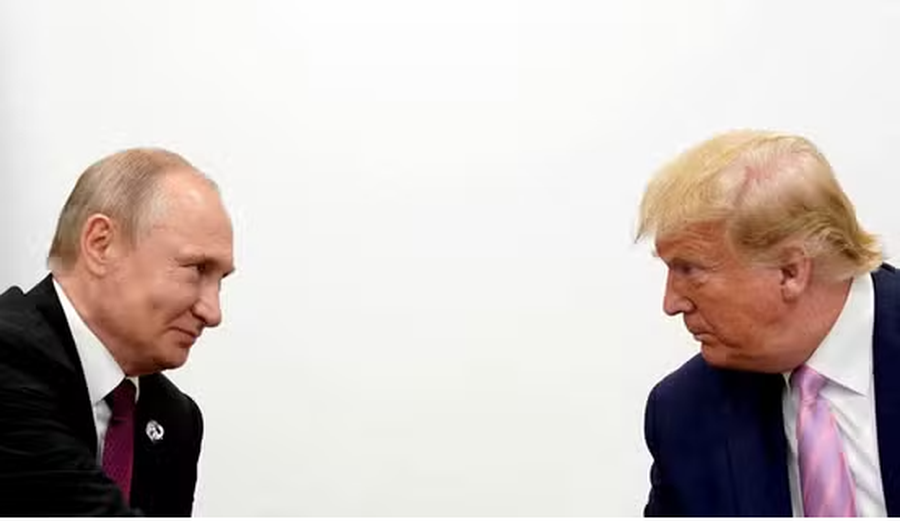
The US president did not mention any tightening of sanctions, as has been advocated by the Europeans, but hoped for direct negotiations between Russia and Ukraine, aiming for a ceasefire and peace, the terms of which would be discussed between the two countries.
Two hours of interview and no concrete results.
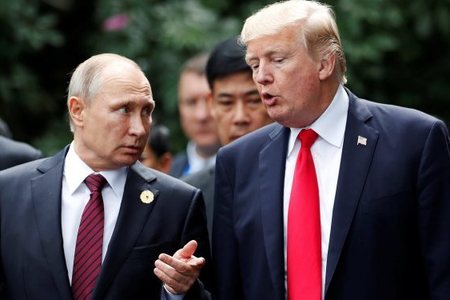
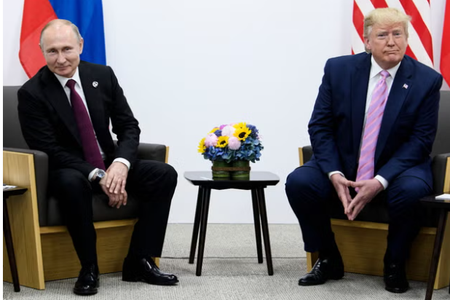
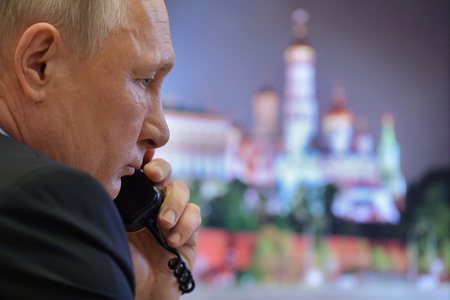
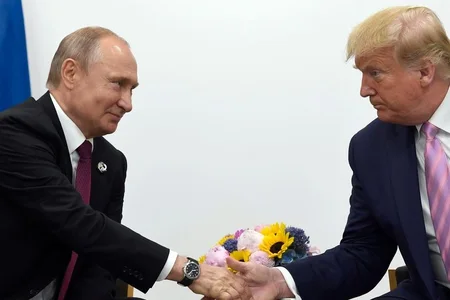
However, in Washington and Moscow, the new telephone conversation between Donald Trump and Vladimir Putin on Monday, May 19, was presented in a positive light, serving a different narrative. Neither leader wants to admit a breakdown and a failure in their rapprochement, while the US president is trying in vain to achieve a prolonged ceasefire in Ukraine, or even a resolution to the conflict. "There are big egos involved, but I think something will happen," Donald Trump explained in the evening, as if it were simply a matter of character.
Trump avoided mentioning any new punitive measures against Russia, choosing a conciliatory tone and encouraging direct negotiations between Moscow and Kiev. Rather than supporting the hardline European line that calls for increased sanctions as a means of pressure, he characterized the war as a European issue and signaled that the United States might withdraw from mediation efforts if the parties did not find a path to peace. This approach has been interpreted by many as a strategic departure from active engagement and as a way to shift the burden of responsibility to the warring parties.
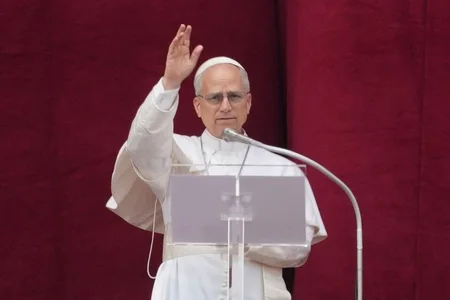
Putin, for his part, appeared restrained. He did not make any concrete offers, but thanked the US for its involvement, emphasizing the need to determine the most effective path to peace. Symbolically, Moscow proposed preparing a memorandum for a temporary ceasefire and a plan for further negotiations, but which does not contain guarantees for an immediate cessation of hostilities. Such a step is seen more as an attempt to buy time and maintain control over the international narrative. Against this background, Trump also announced that Pope Leo XIV would be willing to host negotiations in the Vatican, but the Holy See’s previous positioning in favor of Ukraine makes it difficult for Moscow to accept it.
Meanwhile, Ukrainian President Volodymyr Zelensky said he was ready to negotiate without preconditions in the Vatican, Turkey or Switzerland. He noted that a US withdrawal from peace efforts would be a gift to Putin. A sense of frustration is also growing in the White House, where the lack of progress and Russia’s refusal to make concessions have become increasingly worrisome. Vice President JD Vance has openly stated that the US is in a “small bind” and may walk away from the diplomatic process if there is no tangible progress. He stressed that Russia is asking too much and that Putin does not seem to have a clear strategy for withdrawing from the war.
In this climate, Europe remains divided. Some European leaders, such as Emmanuel Macron and Ursula von der Leyen, have expressed reservations about Trump’s approach and fear that the US’s departure from the scene would weaken the Western position. Another symbolic moment was the lack of involvement of British Prime Minister Keir Starmer in a joint European appeal, which implies possible divisions even within the Western bloc itself. Meanwhile, Moscow and Kiev have agreed to a 1,000-for-1,000 prisoner swap, a measure that, while not changing the overall balance, creates the feeling of humanitarian and diplomatic progress.
In essence, US-Russian diplomacy is moving in a lukewarm and uncommitted manner. Trump presents himself as a leader who sees peace as a matter of will and character, but who, in the absence of progress, prefers to retreat. Putin, on the other hand, uses more cautious language, maintaining the status quo and offering the West only minimal concessions, without changing strategic goals. This situation reflects more diplomatic fatigue and a diplomacy that is floundering in the country than a sincere effort for peace. Meanwhile, Ukraine remains exposed between an ongoing war and a West that is vacillating between involvement and withdrawal. In the absence of united international pressure and a common strategy, the path to peace seems more distant than ever. / Courtesy of Le Monde


Lini një Përgjigje