


 Shkruar nga Maria Kolona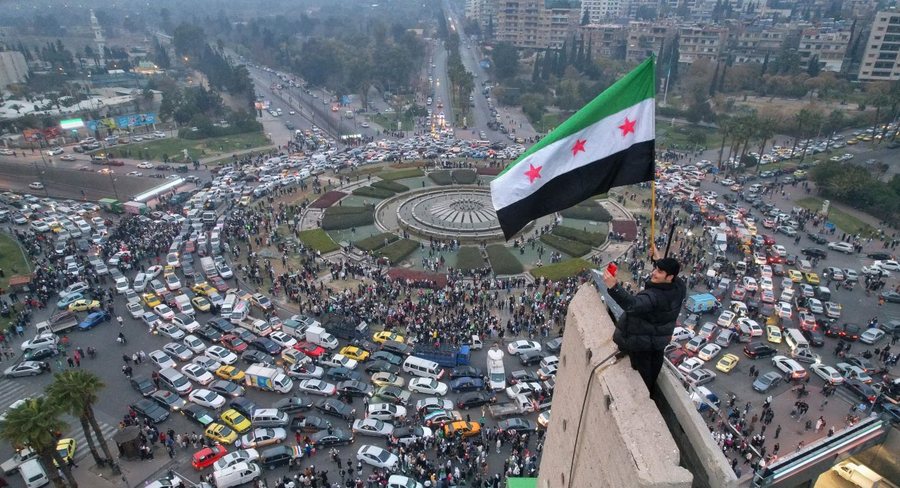
With the knowledge of the US, a proposal has begun to circulate for the creation of a federation, which would grant considerable autonomy to various groups while maintaining the image of a state...
The honeymoon appears to be over for Syria's new leadership, as recent massacres of Alawites and Christians have confirmed how dangerous it is to plunge the country into another bloody civil war that would once again bring its ethnic minorities into conflict, while threatening the legitimacy of the new strongman Ahmed Al-Sharaa and the chances of a smooth family transition after decades.
The country's new Sunni leadership - which has so far managed to win the support of Western governments but has failed to secure the lifting of sanctions that have crippled the country's economy - has promised to shed full light on the circumstances in which more than 1,000 people lost their lives under fire from its loyalist forces.
At the same time, the Sunni leadership claims that the outbreak of violence was not caused by government forces or groups loyal to the new leadership, but by individuals loyal to Assad. Even if such an investigation emerges, it does not justify the extent of the massacres that followed.
Also, the Al-Sharaa government, despite pledging that minorities will have a role in power, has so far not taken any such initiative, which has created a climate of distrust among them, with their position precarious amid ongoing instability.
To effectively address this issue, the interim president and his government must take bold and decisive steps to build an inclusive Syria, where national dialogue is not merely symbolic but essential.
Syria's ethnic, religious minorities
There are five main ethnic or religious minorities in Syria, namely Sunnis, Christians, Kurds, Druze, and Alawites. It is worth noting that since the 1960 census, there has been no census of Syrians by religion, and there has never been an official count by nationality or language.
The largest religious group in Syria is Sunni Muslims. The majority are indigenous Syrians, but there are also significant numbers of Sunni Kurds, Turkmen/Turkmens, and Circassians, as well as refugees who have arrived in the country, such as Iraqis and Palestinians.
While Christians do not constitute a majority in any particular area, other minorities are concentrated in different regions. The Druze live in the southeast, while the Kurds in the northeast.
Alawite Arabs, the second largest religious minority group in the country after Sunni Muslims, are an offshoot of Shiite Islam and live in the northwestern part of Syria.
Fakti që një shtet alavit u krijua në Siri nën Asadin, kryesisht i hapur për të krishterët dhe druzët dhe i mbyllur për sunitët, të cilët përbënin shumicën dërrmuese të popullsisë, çoi në kultivimin e një klime tensioni midis grupeve.
Alavitët, pasi zunë pozita në pushtetin e regjimit të Asadit, më pas u gjendën në vijën e parë të luftës civile që shpërtheu në vitin 2011 dhe u futën në konflikt me grupet sunite, duke përfshirë organizatën e liderit të ri të vendit, Hayat Tahrir al-Sham, i cili donte të përmbyste regjimin me mbështetjen e Iranit shiit Hebanonbollah dhe gjithashtu Shiit Lebanonbollah.
Vetë Al-Sharaa, në një intervistë të vitit 2015 me Al Jazeera, i kishte përshkruar alavitët si një sekt që është jashtë fesë dhe Islamit dhe u bëri thirrje atyre të heqin dorë nga Asadi dhe të ndryshojnë besimet e tyre në mënyrë që të qëndrojnë të sigurt. Në gusht të vitit 2015, Shteti Islamik ka rrëmbyer mbi 200 të krishterë, ndërsa në vitin 2018 ka masakruar mbi 200 druze. Këto masakra, të kombinuara me brutalitetin e regjimit të Asadit, çuan në eksodin e miliona sirianëve që u larguan nga vendi duke kërkuar strehim në vendet fqinje dhe Evropë.
Druzët janë të ndarë politikisht në dy fronte. Ndërsa grupet më të mëdha dhe tradicionale mbështesin qeverinë e Damaskut dhe mbrojnë integritetin territorial të vendit, grupet më të vogla po kërkojnë autonomi.
Prandaj, kurdët, me gjuhën dhe kulturën e tyre u përballen me diskriminim dhe gjenden të margjinalizuar nga regjimi i Asadit pasi nuk i përshtateshin imazhit të identitetit arab që ai promovonte. Masat që Asadi mori ndaj tyre ishin të ashpra. Ata nuk mund të flisnin gjuhën e tyre, t'u vendosnin emra kurdë fëmijëve të tyre apo qyteteve të tyre.
Me shpërthimin e luftës civile në vitin 2011, kurdët përfituan nga paaftësia e regjimit të Asadit për të kontrolluar pjesë të mëdha të vendit për të fituar kontrollin e rajonit në verilindje të vendit në vitin 2012. Legjitimiteti i tyre u forcua më pas për shkak të rolit që luajtën në "eliminimin" e Shtetit Islamik me ndihmën ushtarake të SHBA-së.
Marrëveshja Sykes-Picot
Në çdo rast, këto ngjarje tragjike janë rezultat i historisë komplekse të rajonit, pasi pakicat e ndryshme etnike dhe fetare u detyruan të bashkëjetojnë dhe të krijojnë Sirinë moderne, si sunitë, alavitët, armenët, asirianët, druzët, të krishterët arabë, turkmenët, etj.
Baza për këtë ndarje ishte marrëveshja Sykes-Picot e vitit 1916, ku britanikët dhe francezët negociuan rendin e ri të gjërave me dijeninë e Rusisë. Më pas, një diplomat britanik dhe një francez - përkatësisht Sykes dhe Picot - ndanë "Gjysmëhënën pjellore", zonën që sot mbulohet nga Siria dhe Iraku dhe vende të tjera.
Ky rajon i ishte premtuar nga Lorenci i Arabisë Sherifit të Mekës, Husein bin Ali, i cili shpalli një revolucion kundër Perandorisë Osmane.
Ultimately, having lost the trust of the vast majority of the Arab population, Paris and London created minority regimes in Damascus and Baghdad to control the region.
History of Syria
The modern Syrian state was created in the mid-20th century after centuries of Ottoman rule, following a failed attempt to create autonomous regions based on ethnic and religious minorities. French troops withdrew in April 1946, granting the nation de facto independence.
The post-independence period was extremely turbulent, with numerous coup attempts between 1949 and 1971.
In 1958, Syria entered into a brief pan-Arab union with Egypt, which ended after a coup in 1961. The 1963 coup by the Baath Party's military committee established a one-party state, which ruled Syria under martial law from 1963 to 2011.
Internal power struggles within the Baath Party factions led to new coups in 1966 and 1970, with Hafez al-Assad rising to power and creating his own state apparatus based on the Alawites, who became the backbone of the regime, although they were a minority.
Under Assad, Syria became a hereditary dictatorship. After his death in 2000, he was succeeded by his son Bashar, who continued the same policies as his father. In 2011, following the Arab Spring, a bloody civil war erupted in the wider region, which led to the shrinking of Christians to 2.5% from 10%. In late 2024, a series of attacks by a coalition of opposition forces led to the capture of Damascus and the fall of the Assad regime.
Why federation is the only solution
If a regime controlled by the Yolan fighters consolidates in Syria, then conflict with the Alawites and Kurds will be a matter of time, as will the reduction, if not the disappearance, of the country's Christian communities.
Therefore, with the knowledge of the US, a proposal has begun to circulate for the creation of a federation, which would grant considerable autonomy to various groups while maintaining the image of a state.
This proposal may be the only solution to prevent the country from plunging into chaos in the future, but it does not mean that countries that have invested in gaining influence in Syria, such as Russia, Turkey, and Iran, will allow such a development.
For Turkey, Kurdish autonomy could trigger similar demands from its own Kurdish minority, while Iran is trying to keep its alliances with Shiites and Alawites alive. / Adapted Pamphlet /







Lini një Përgjigje