


 Shkruar nga Pamfleti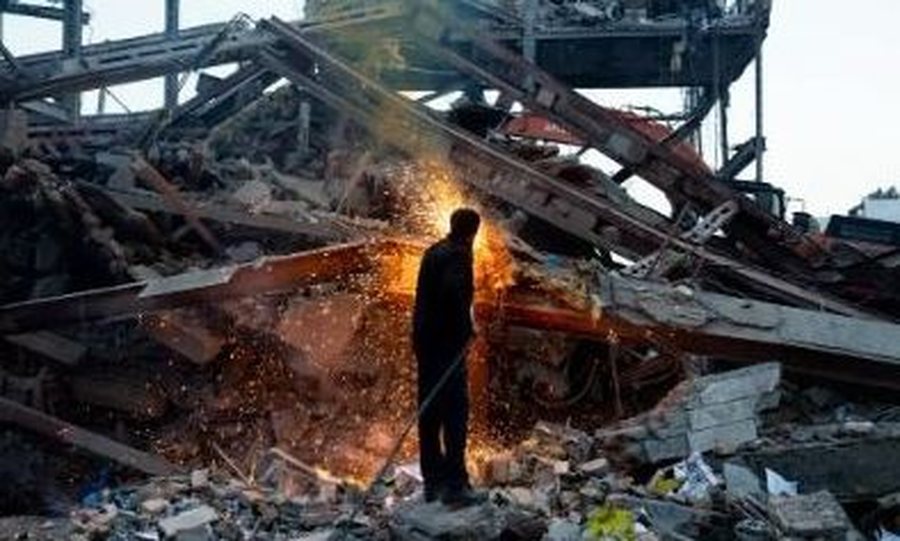
Residents describe fear and uncertainty under the constant bombardment following US and Israeli attacks. The New York Times report.
Many Tehran residents fled the city as the US and Israeli attacks began, and those who remained described fear and anxiety under the relentless bombardment, The New York Times reports.
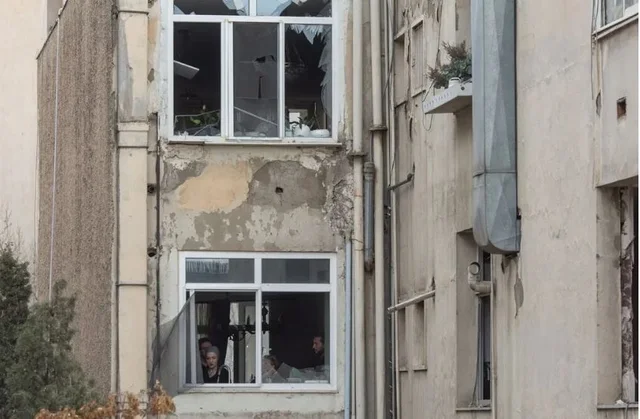
Rows of buildings on the verge of collapse. Block after block filled with twisted metal, shards of glass and scattered papers. A hospital room with broken windows, bricks and rubble covering the bed.
These were the scenes in Tehran on Monday as the US and Israel continued their assault on Iran, according to eyewitness accounts and footage. After four days of bombing, the attacks were only intensifying, residents of the capital said.
Later that day, the Israeli army issued an emergency evacuation order for residents of the neighborhood where the notorious Evin prison, where political opponents are held, is located. “Your presence in this area will endanger your lives,” the army warned. A short time later, residents reported that the city was shaken by explosions.
According to official media and residents, airstrikes hit the state television offices on Vali Asr Street, near the former historic parliament building in the city center, as well as other areas of the capital. On one social network, Tehran residents could be heard speaking live in a virtual meeting when the sound was interrupted by warplanes, explosions and screams.
"Tonight, the attacks are even more massive," said a Tehran resident, Kamran, in a message to a reporter for The New York Times.
“It looks like bombs falling one after another, explosion after explosion.” Like other Iranians who spoke to the newspaper, he asked that his last name not be used, citing security concerns.
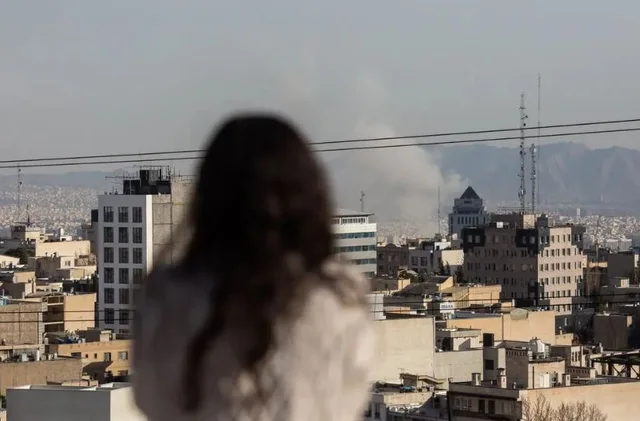
Tehran is known for its vibrant energy, café culture and relentless traffic, but on Monday the city was quiet, six residents and a photographer who roamed the city said in interviews. Grocery stores, pharmacies and most businesses were closed. The streets and highways were empty.
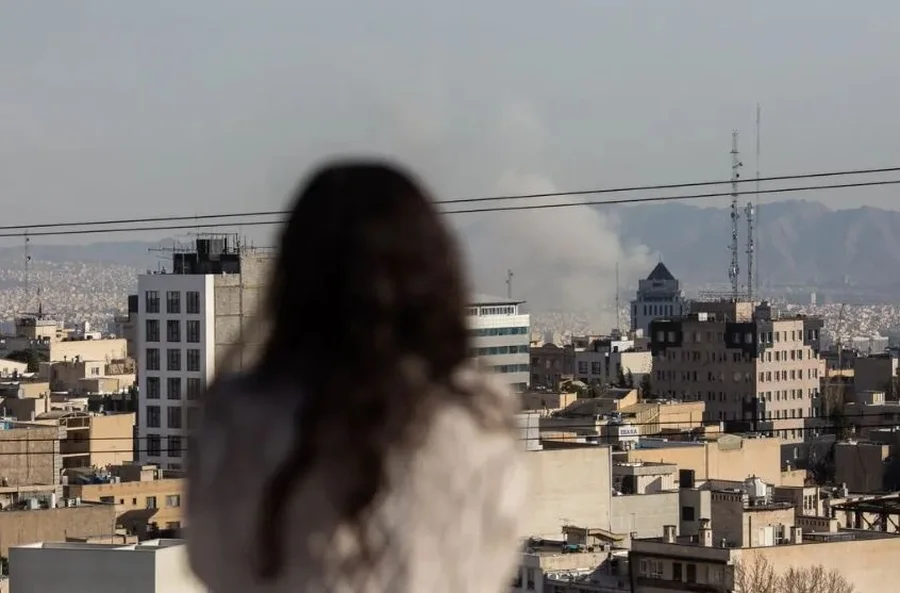
Many residents fled the city, seeking safety in the mountainous areas and in the north of the country, along the shores of the Caspian Sea. But some were unable to leave or had nowhere to go.
In interviews and on social media, they described scenes of chaos and panic, with families taking their belongings, putting them in plastic bags and fleeing bombed neighborhoods.
Disa thanë se rreziku dukej se vinte nga çdo drejtim. Ndërsa rrugët e brendshme të kryeqytetit ishin pothuajse pa makina, rrugët që të çonin jashtë qytetit ishin të mbingarkuara me trafik. Forcat e sigurisë dhe agjentë të shërbimeve sekrete kishin ngritur pika kontrolli në të gjithë Teheranin për të ndaluar dhe kontrolluar automjete dhe kalimtarë, thanë dëshmitarë.
“Sulmet ishin shumë pranë nesh mbrëmë dhe sot në mëngjes”, tha në një intervistë telefonike Yasaman, 40 vjeçe, fotografe.
“Nuk kam fjetur prej katër netësh”. Nuk është e qartë sa persona janë vrarë në kryeqytet, por në mbarë vendin, Shoqata e Gjysmëhënës së Kuqe të Iranit deklaroi të hënën se janë vrarë të paktën 175 persona. Mes tyre, sipas raportimeve, kishte shumë fëmijë që humbën jetën kur u godit shkolla e tyre në jug të Iranit.
Si shumë qytete të tjera, Teherani, një metropol i shtrirë me më shumë se 10 milionë banorë, nuk ndan qartë zonat tregtare, qeveritare dhe ushtarake nga ato të banuara. Kjo i lë civilët veçanërisht të ekspozuar, ndërsa SHBA-ja dhe Izraeli zgjerojnë listën e objektivave nga instalimet raketore dhe bërthamore drejt strukturave qeveritare, zyrave të transmetuesve shtetërorë dhe selive të sigurisë e policisë.
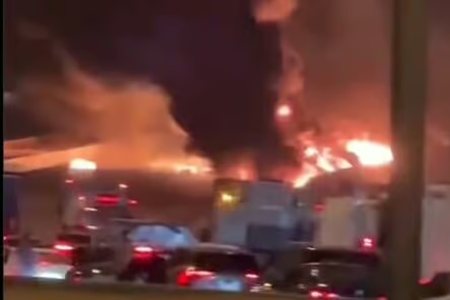
“Goditjet më të ashpra nga ushtria amerikane nuk kanë ardhur ende”, deklaroi të hënën sekretari amerikan i Shtetit, Marco Rubio. Ndërkohë, re të mëdha tymi që ngrihen nga disa zona, ditë e natë, janë bërë pjesë e horizontit të qytetit.
“Teherani është një qytet plotësisht i ndërthurur”, tha në një intervistë telefonike Nasim, banore e kryeqytetit. “Në një bllok mund të kesh një shkollë, një komisariat policie, një spital dhe përreth pallate banimi.”
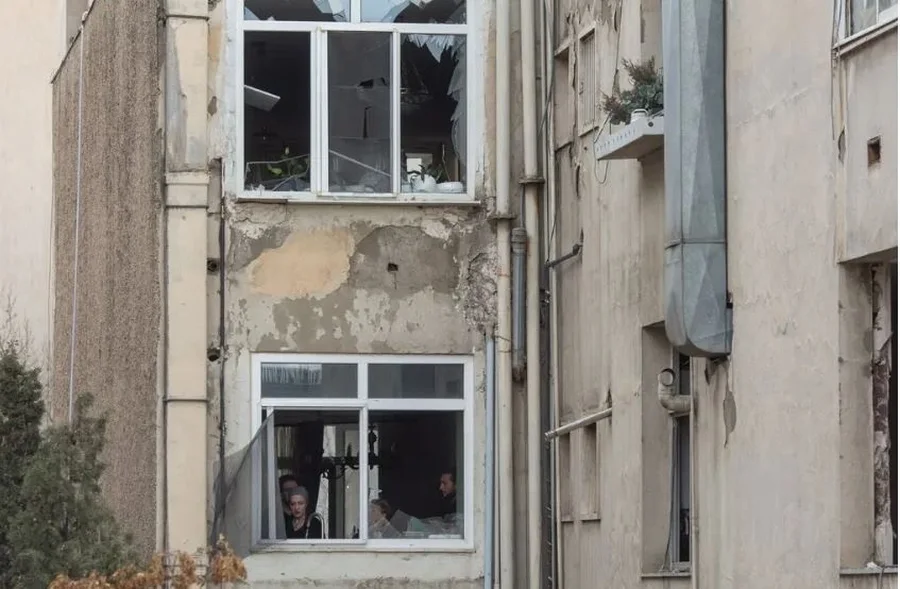
Të dielën në mbrëmje, Mina, 61 vjeçe, inxhiniere, po shikonte televizor në apartamentin e saj në bulevardin Jordan në veri të Teheranit, kur një ndërtesë zyrash tre dyer më tej u godit, tha ajo. Fuqia e shpërthimit theu dritaret dhe dyert e saj, si dhe dritaret e çdo ndërtese në bllok. Mina tha se nuk e dinte pse ajo ndërtesë ishte bërë objektiv.
“Sulmet janë shumë afër, zhurmat janë të mëdha, lutemi të arrijmë ta kalojmë natën”, tha ajo në një mesazh zanor.
Edhe Nasim përjetoi një shpërthim të madh të dielën në mbrëmje, teksa qëndronte pranë dritares. Shpërthimi, që krijoi një top të madh zjarri të kuq dhe tym, tronditi ndërtesën e saj dhe çau murin e sallonit.
“Mendova se apartamenti ynë do të shembej”, tha ajo. “Ishte e frikshme.”
Video të publikuara nga mediat shtetërore treguan pamje nga jashtë dhe brenda Spitalit Gandhi pas një sulmi nga forcat amerikane dhe izraelite në Teheran. Sulmi synonte kullën e telekomunikacionit të një kanali shtetëror përballë spitalit. Spitali privat, i njohur për trajtimet e fertilitetit, pësoi dëme të mëdha dhe evakuoi pacientët, përfshirë foshnja në inkubatorë, sipas Ministrisë iraniane të Shëndetësisë dhe zyrtarëve të spitalit.
“We have newborn babies,” said the hospital’s president, Dr. Mohammad Hassan Bani Asad, in an interview published in Iranian media. “We had eight patients in intensive care, two in critical condition. Women in labor. Embryos in the fertility ward.”
The war is taking place in a society already reeling from a brutal crackdown on anti-government protests in January that left at least 7,000 people dead, according to rights groups. The protests were fueled by Iran's economy, which has been battered by U.S. sanctions, corruption and mismanagement. Inflation is running at around 60 percent, according to Iranian state media.
“Ordinary people are getting hurt,” said Ehsan, 36, a scientist. “Even if you don’t get killed or injured, when you lose your home or business, it’s very difficult to recover in these economic conditions.”
One of Tehran's oldest buildings, the Golestan Palace, suffered significant damage to its famous Hall of Mirrors and symmetrical Persian garden. The palace, a UNESCO World Heritage Site dating back to 1404, has survived wars, invasions, coups and revolutions. According to Iranian media, it was damaged in attacks on a nearby police station.
"If the continued bombings damage historical monuments, cultural sites, and residential buildings, the war will be perceived by Iranians not only as an attack on military and nuclear facilities, but also on Iran's own culture and people, on its history, identity, and cultural memory," said Omid Memarian, an Iran expert at DAWN, a Washington-based think tank. /Adapted from Pamphlet /



Lini një Përgjigje