


 Shkruar nga Pamfleti
Global oil and gas shipping prices have risen sharply, with the cost of supertankers in the Middle East reaching historic levels, as the US-Iran conflict intensified after Tehran attacked ships passing through the Strait of Hormuz, according to shipping data and industry sources.
Maritime transport through the Strait of Hormuz between Iran and Oman, through which about 1/5 of the world's oil is transported, as well as large quantities of liquefied natural gas, has been almost completely halted after attacks on ships in the area, while Iran retaliated against US and Israeli attacks.
The unrest and fears of a prolonged shutdown have pushed up oil and gas prices in Europe, with Brent crude futures rising by almost 10% this week, as the conflict has caused widespread disruptions at oil and gas plants in the Middle East.
The base crude oil freight rate for very large crude carriers (VLCCs) used to transport 2 million barrels of oil from the Middle East to China, also known as TD3, rose to a record high of 419 W on the Worldscale industry metric used to calculate freight rates on Monday, or $423,736 per day, according to LSEG data.
The cost of transporting oil from the Middle East to Asia has reached record levels due to the US-Iran conflict. The price has doubled since Friday, extending gains from a six-year high last week after the US and Israel attacked Iran and killed its Supreme Leader, Ayatollah Khamenei, on Saturday.
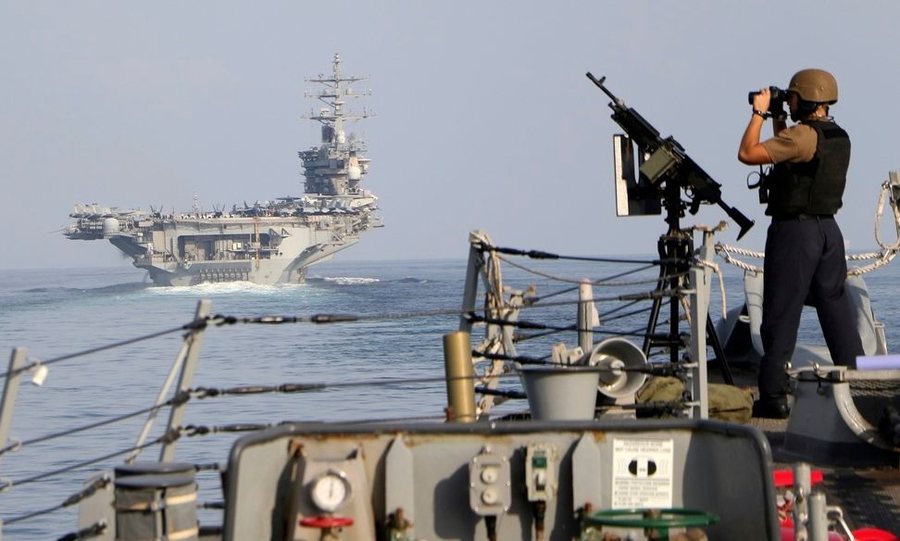
In retaliation, Iran struck Gulf countries, triggering a preliminary shutdown of oil and gas facilities across the Middle East. A senior Iranian Revolutionary Guard official said Monday that the Strait of Hormuz is closed and Iran will strike any ship that tries to pass through it, Iranian media reported. The US military's Central Command said the Strait is not closed despite Iranian statements, Fox News reported.
However, daily freight rates for LNG tankers rose more than 40% on Monday after Qatar halted production. Spot rates for liquefied natural gas (LNG) carriers in the Atlantic rose to $61,500 a day on Monday, up 43% or $18,750 from Friday, according to Spark Commodities, a pricing firm for LNG shipping.
Pacific LNG shipping rates rose to $41,000 per day, up 45%, or $12,750, from Friday.
Fraser Carson, lead analyst for global LNG at energy consulting firm Wood Mackenzie, said daily LNG shipping rates could reach $100,000 this week due to tight supply.
"Ship availability for the rest of March is seen as low, as operators try to overcome the workload created by weather disruptions during February," he said.
Until safe passage through the Strait of Hormuz is ensured, maritime transport will remain unused, Carson said.
South Korea's maritime transport ministry has issued a notice to South Korean carriers with ships sailing to the Middle East, asking them to refrain from conducting business in the region, an official told Reuters on Tuesday.








Lini një Përgjigje