


 Shkruar nga Pamfleti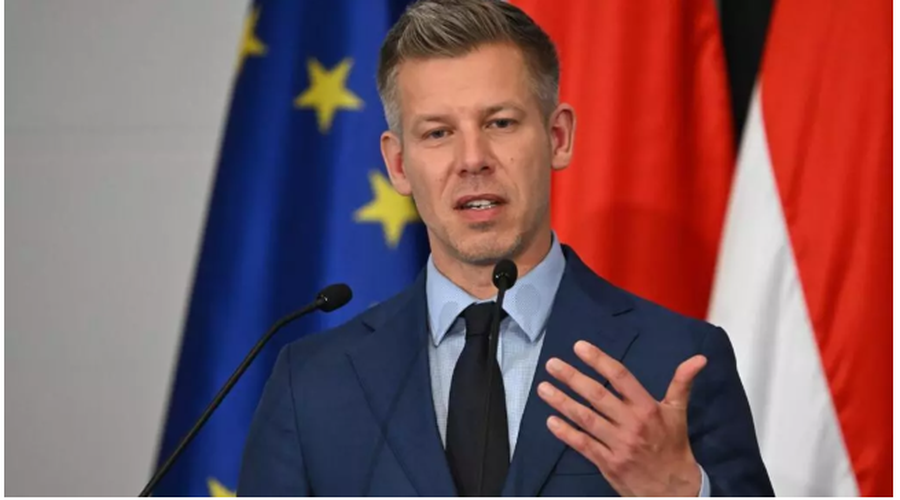
Budapest blocked the approval of a joint letter of member states, jeopardizing the deadlines that Kiev had set for advancing accession negotiations...
Hungary has delayed a key procedure needed to advance Ukraine and Moldova's accession process to the European Union, according to two EU diplomats, Politico reported.
Ukraine and Moldova marked a milestone on their path to the EU on 15 June, when member states unanimously approved the opening of the first formal chapter of negotiations for both countries. This decision had been blocked for years by former Hungarian Prime Minister Viktor Orbán, who opposed Ukraine’s EU membership. Because the accession processes of Ukraine and Moldova are politically linked, progress on one side also conditions progress on the other.
Following this development, Kiev aimed to accelerate the negotiations. Ukrainian Deputy Prime Minister Taras Kachka told Politico earlier this month that Ukraine aims to open all six groups of negotiating chapters by mid-July.
However, that deadline now faces uncertainty. According to diplomats, Hungary on Tuesday opposed sending a letter to the European Council and the European Commission, on behalf of the 27 EU member states, setting out the common position of European capitals on the issue.
Budapest was the only country to oppose the initiative. Since the document requires unanimous approval by all member states, the issue is expected to be discussed again next week.
Hungary's Permanent Representation to the EU did not respond to Politico's request for comment.
According to diplomats, the move reflects Hungarian Prime Minister Péter Magyar’s reserved stance on Ukraine’s membership. Although Magyar did not oppose opening the first set of negotiating chapters, his government demanded the removal of the “as soon as possible” wording regarding Ukraine’s membership from the official conclusions of the EU leaders’ summit in Brussels last week.
The two diplomats spoke on condition of anonymity, as they are not authorized to comment publicly on internal EU procedures.
At the press conference after the European Council meeting, Magyar defended his position by stating that opening all six negotiating groups simultaneously would not be appropriate.
"There are a total of six negotiating groups and we do not think that opening them all at once is a good idea. Firstly, because the process of the first group has just started, and secondly, because this would send the wrong message to the Western Balkan countries (Serbia, Albania, Montenegro and North Macedonia), which have been working for years for membership in the European Union," he said.



Bravo, Hungaria!