


 Shkruar nga Pamfleti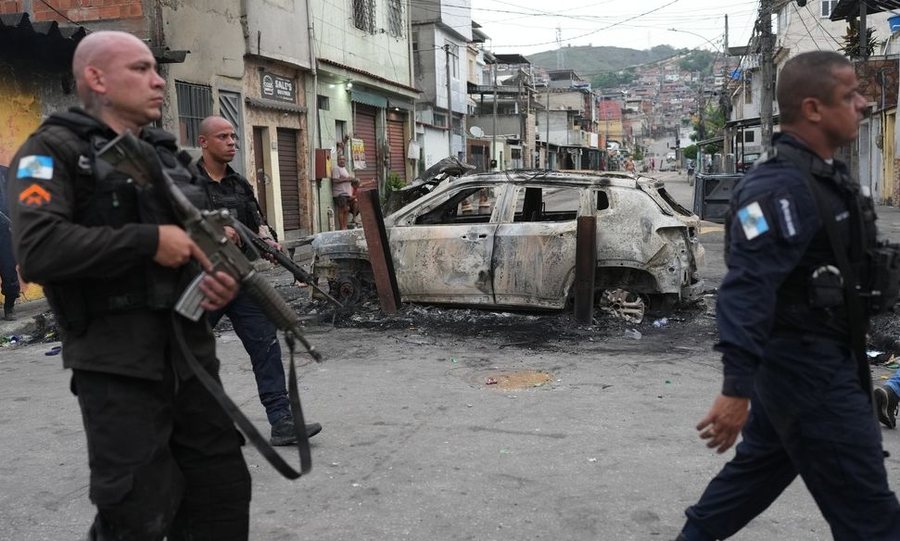
The bloodiest police operation in Brazil's history has left more than 130 dead and dozens of questions about the extent of police violence. The UN is calling for an investigation. What is the "Red Command" gang?
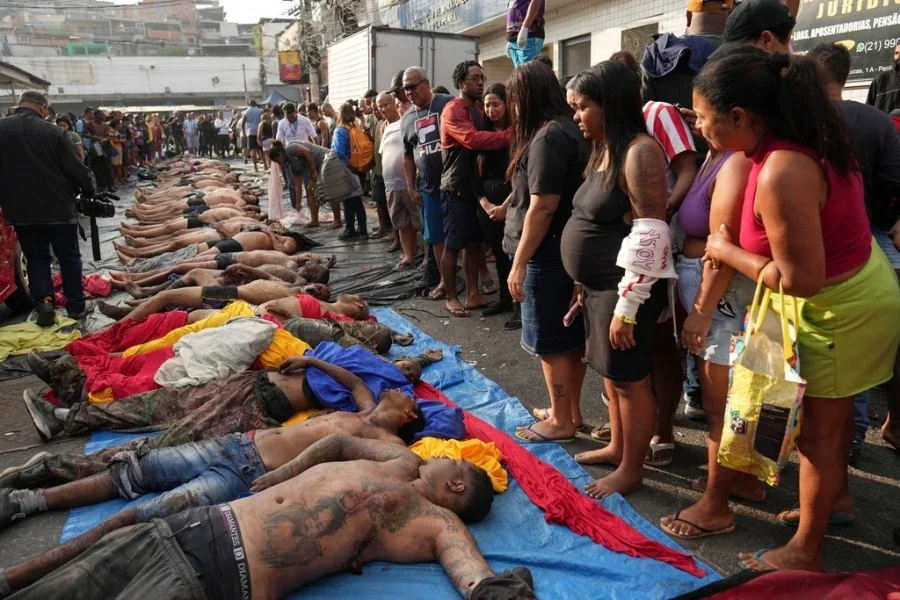
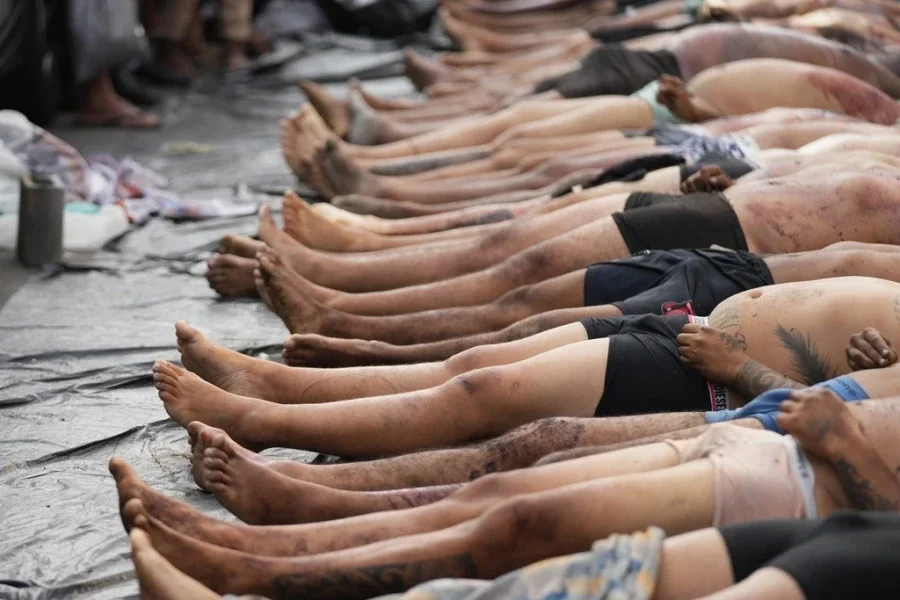
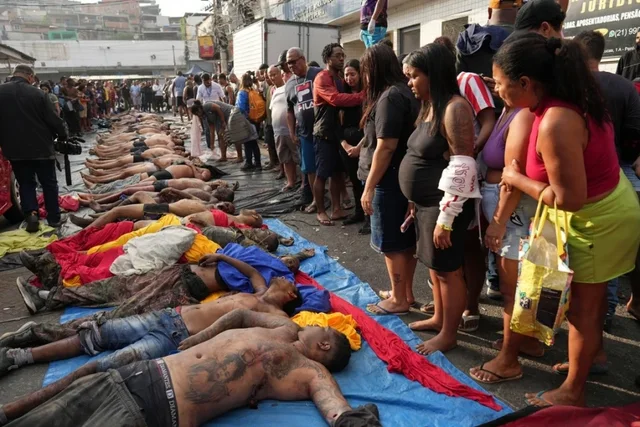
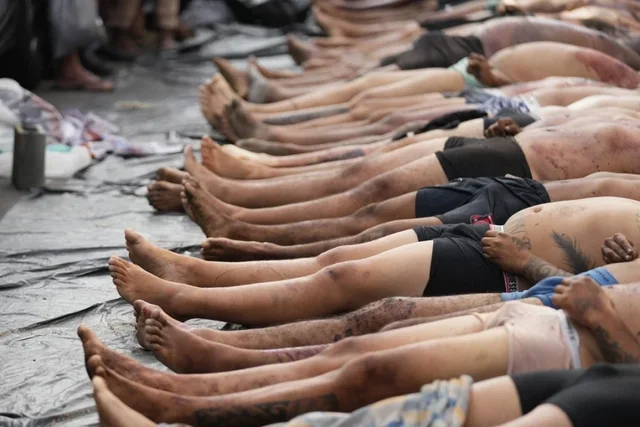
Dozens of bodies are lined up on the sidewalk of a square on the outskirts of Rio de Janeiro. Many were stripped to their underwear, residents said, so that relatives could more easily identify them. Others were wrapped in sheets, shielded from the crowds and the cameras of reporters and passersby.
Overnight, dozens of bodies were pulled from a nearby forest area, significantly increasing the death toll from a major police operation targeting drug gangs and revealing the scale of the violence that had terrorized this low-income area just hours earlier, causing shock and horror across Brazil.
Volunteers had found 50 to 60 bodies overnight, said Rene Silva, a community leader from a neighborhood where the raids took place. “Mothers, women, children were there, crying,” he told the New York Times.
It is still unclear exactly how many people were killed in the bloodiest crackdown on organized crime in Rio's violent history, with clashes between police and gangs. Initial estimates from the state attorney general's office put the death toll at 132, including four police officers.
State police said the raids targeting the Comando Vermelho drug gang were carefully planned for more than two months, with the aim of leading the suspects to a wooded hillside where a special operations unit was waiting in ambush. The operation had been underway for more than a year, according to the government, and involved more than 2,500 military and civilian police.
What is "Red Commando"?
According to research organization InSight Crime, Comando Vermelho is the oldest active criminal organization in Brazil. Its name, which means "Red Command" in Portuguese, is a reference to its origins as a leftist organization for prisoners formed during the military dictatorship that ruled Brazil until 1985. The group began in a Rio de Janeiro prison in the 1970s as a means of self-defense for prisoners and was inspired by leftist guerrillas.
“The miserable conditions at the Candido Mendes prison, on the island of Ilha Grande in the state of Rio de Janeiro, drove inmates to band together to survive within the system,” the group of experts writes in its profile of the group. In the 1980s, the group became involved in the production and trafficking of cocaine, but also maintained a social role in marginalized communities in the country’s most touristic city. Its criminal activities include drug trafficking, arms trafficking, protection racketeering, loan sharking and wars against other criminal organizations in the region.
It has since transformed into a major international criminal group involved in drug trafficking and extortion. By the end of 2024, according to the Associated Press, the group controlled half of the municipalities in the Amazon region, up from a quarter the previous year.
“The increase in mortality from the operation was expected, but not desired,” Victor Santos, Rio’s state security chief, told a news conference. He assured that there is no connection between the violence and the global events that Rio will host as part of COP30, the 30th United Nations climate conference to be held in Belém, Brazil, from November 10 to 21, 2025.
Residents of Rio's Penha neighborhood collected dozens of bodies from the surrounding forest overnight and lined up more than 70 bodies in the middle of a main street. "I just want to get my son out of here and bury him," said Tawa Brito, the mother of one of the dead, surrounded by mourners and passersby on both sides of the long line of bodies.
A motorcycle convoy set out from the neighborhood in the afternoon to protest police violence outside the governor's palace, where protesters gathered waving Brazilian flags. The deadliest police raid in the city before Tuesday was in 2021, when 28 people were killed in the Jacarezinho neighborhood. In 1992, 111 inmates were killed when Sao Paulo police stormed the Carandiru prison to quell a riot.
UN officials and security experts have condemned the military operation, which has killed hundreds of people. The UN human rights office said the killings were part of a trend of deadly police raids on marginalized communities in Brazil. "We remind the authorities of their obligations under international human rights law and call for prompt and effective investigations," the agency said in a statement.
Relatives of the dead described evidence of summary executions, including bound limbs, stab wounds and gunshot wounds to the face and neck. "Some families reported signs of torture on the bodies of the victims," said Guillermo Pimentel, a human rights lawyer who works with the families of the dead at the Rio police morgue.
Rio Governor Claudio Castro said he was certain those killed in the operation were criminals shooting from the forest. "I don't think anyone would have been walking in the forest the day of the clash," he told reporters, calling the raids an effort to combat "narcoterrorism." "The only real victims were the police," he said.
The Rio state government said the operation was the largest ever targeting the Comando Vermelho gang, which controls the drug trade in several favelas, poor, densely populated settlements scattered across the city's hilly coastal terrain.
Police said they arrested 113 suspects in the operation and seized 118 firearms. President Luiz Inacio Lula da Silva was surprised to learn that Rio police had launched an "extremely bloody and violent" operation without notifying or involving the federal government, Justice Minister Ricardo Lewandowski told reporters.
The minister said he would meet with Rio's governor and could increase the number of federal security officials there. Lula, who returned to Brasilia late Tuesday from a trip to Malaysia, met with Vice President Geraldo Alcmene and cabinet members on Wednesday to discuss the issue, his office said.


Lini një Përgjigje