


 Shkruar nga Pamfleti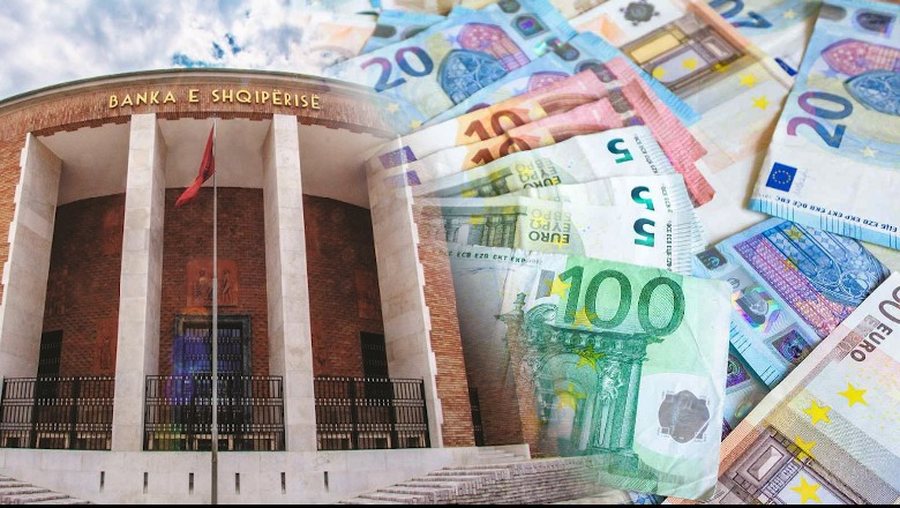
While throughout the year, care has been taken to justify the devaluation of the euro with several factors, such as remittances, the trade surplus or the current account surplus, the improvement of the external position of the economy as well as the high purchases of apartments by non-residents, for December the Bank of Albania estimates that the reason for the extremely strong fluctuations was the very high number of tourists. In its analysis of the exchange rate, the Bank of Albania considers the lek's appreciative trend to be continuous throughout the year, with the exception of December, where a temporary increase in volatility and the spread between the purchase price and the sale price was recorded. .
The euro quote decreased to an average of 102.8 ALL in December, from 106.9 ALL in September, with an appreciation of the ALL of 3.8% in this period. The strengthening of the lek at the end of the year is in line with its seasonal behavior, but, as was observed throughout the year 2023, the intensity of this phenomenon was higher than other years.
The annual appreciation of the lek marked 10.4% during the last quarter of the year, from 10.2% in the third quarter. During the month of January, the lek has depreciated, as is typical in this period. The EUR/LEK rate reached an average level of 103.9 ALL in the first three weeks of this month.
Appreciation pressures on the local currency during 2023 have reflected the positive developments in the external sector of the economy, analyzes the Bank of Albania. This performance reflected the high inflows in tourism and was illustrated in the trade surplus and the current account surplus in the third quarter.
Indirect data signal the continuation of this trend in the fourth quarter as well, the Bank of Albania emphasizes, underlining that the arrivals of foreign citizens for the fourth quarter of the year increased by about 66% compared to a year ago. Also, trading volumes in the market have continued to be high during this period.
In general, trading conditions in the foreign exchange market have been calm during this quarter. The exception here is the month of December, where a temporary increase in volatility and the spread between the purchase price and the sale price was recorded. The latter returned close to their normal values in January, the Bank of Albania concludes in its analysis./SCAN



Lini një Përgjigje