


 Shkruar nga Peter Mandelson
In Caracas last weekend, as he did earlier last year in the case of Iran's nuclear enrichment plant at Fordow, Trump did more in one day than orthodox diplomacy was able to achieve in the last decade...
Donald Trump, with his intervention in Venezuela, has achieved much more than simply bringing a brutal, corrupt dictator and drug trafficker to justice, something he would not have achieved even with statements about human rights, international law or indictments in the International Criminal Court.
President Trump had to decide that it was in America's interest to take Nicolas Maduro by helicopter to face justice, and that is the terrible truth that Europe's political leaders are facing: Trump has the means and the will, and they do not.
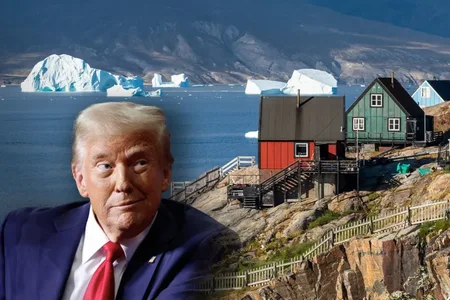
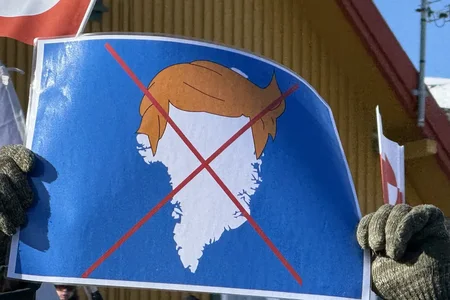
Europe’s growing geopolitical powerlessness in the world is now becoming a problem, and the situations around Greenland are confirming this brutal reality. Greenland’s future is being misunderstood. Trump will not “invade” it. He doesn’t need to, it is already there. What will happen is that the threats to Arctic security posed by China and Russia will crystallize in European minds, the performative statements about “sovereignty” and the future of NATO will fade, and serious discussion will take over. Together, the US, Denmark and other allies will address how the Arctic region is properly secured with a significantly enhanced role and status and military deployment by America.
The bigger question is how the two sides of the Western coin, America and Europe, will create a modus vivendi in this Trump era.
This era is confronted with countless conflicts happening in the world right now. Handling them, and the larger wars and confrontations on the horizon, is made all the more complicated by the fact that, for a long time, the “rules-based system” beloved by foreign offices, think tanks, and academic seminars has not actually existed.
President Trump is not some populist disruptor bent on destroying it; he ceased to make sense before he was elected. He has not single-handedly destroyed the postwar “global order”: if it ever existed at all, it began to evaporate two decades ago when China emerged as a great power challenging the unipolar world led by the United States. Under Xi Jinping, China is no longer prepared to accept the status of junior partner. The implications of this new, dualistic world can be seen in Ukraine, where a colonialist Russia is supported by Chinese diplomatic power, Iranian technology, and North Korean fighters.
Si ambasador në Uashington, isha në një vend pranë ringut, ndërsa administrata Trump i jepte kuptim kësaj bote dhe se si ajo po e ndryshon pikëpamjen dhe rolin global të Amerikës. Kam frikë se nuk mendoj, as tani, se udhëheqësit evropianë janë përshtatur me revolucionin në zhvillim e sipër. Ata janë fajtorë për një interpretim dembel të "Amerika e Para" si "Amerika Vetëm", edhe pse Presidenti Trump po bën përpjekje të mëdha për t'i dhënë fund luftës në Ukrainë dhe ka vepruar në një mënyrë vendimtare për të ndaluar konfliktin në Gaza, ku ai mbetet i përkushtuar ndaj "fazës së dytë" jetësore.
Evropa është magjepsur nga mesazhet në “Truth Social” që dalin nga Shtëpia e Bardhë, por pa ndjekur argumentet që i mbështesin ato. Kur këto u bashkuan muajin e kaluar në Strategjinë Kombëtare të Sigurisë të administratës, reagimi i Evropës ishte një reagim tmerri që aleatët e Amerikës dyshohet se po liheshin në baltë dhe garancia e sigurisë evropiane e Amerikës me sa duket u hodh poshtë.
Do të ishte më mirë që ata të pyesnin veten pse SHBA-të po bëjnë një përshtatje dhe si ata, si aleatë të Amerikës, mund të zbusin pasojat e saj dhe të kompensojnë transferimin e burimeve amerikane diku tjetër. Me fjalë të tjera, si dhe kur ndalet ky ndryshim dhe Evropa fillon të marrë përsipër përgjegjësitë e saj të plota ushtarake dhe financiare përtej fjalëve të bukura, gjë që ato përbëjnë në shumicën e rasteve për momentin, pavarësisht "qendrave ushtarake" të ardhshme të premtuara nga Britania dhe Franca për Ukrainën.
Aktualisht, konsiderata e Evropës për fuqinë ushtarake dhe muskujt e besueshëm diplomatikë që ajo duhet të sjellë në tryezë po maskohet nga shpërthimet e zërave rreth një presidenti “sherif”, i cili nuk ndjek praktikën konvencionale ose një libër rregullash diplomatike tradicionale.
Udhëheqësit e Evropës duhet të pyesin veten nëse kjo ndodh sepse është thelbësisht e gabuar që një president i SHBA-së të ndërmarrë veprime të fuqishme dhe të njëanshme, apo sepse Trump dhe libri i tij i strategjisë shkaktojnë një reaksion alergjik të veçantë dhe instiktiv në kryeqytetet e Evropës.
Në Karakas fundjavën e kaluar, ashtu si në fillim të vitit të kaluar në rastin e impiantit të pasurimit bërthamor të Iranit në Fordow, Trump bëri më shumë në një ditë sesa diplomacia ortodokse ishte në gjendje të arrinte në dekadën e fundit. Kjo ka të ngjarë të vazhdojë në Epokën e Trumpit, kështu që çfarë do të bëjnë aleatët e Amerikës: të përdorin fuqinë dhe paratë për të rritur rëndësinë dhe ndikimin e tyre apo të vazhdojnë të rrëshqasin, duke humbur rëndësinë?
Britain’s interests, and those of other liberal democracies, lie in how we use US power to continue to uphold the principles, if not always the exact ones, of the UN Charter. This means recognising that Trump’s decisive approach when faced with real-world situations is preferable to the paralysis of hand-wringing and analysis that has characterised some previous US administrations or, indeed, the gridlock and avoidance that often characterise the UN and the EU respectively.
Meanwhile, what should worry Europe most is that MAGA's reservations about foreign "interference" will harden as pressure mounts on Trump to focus on "pocket" issues rather than foreign policy.
Hopefully, this pressure will not weaken Trump's attention to Ukraine, Gaza and, as it is coming, Iran's democratic transition. /Adapted from The Spectator /


Lini një Përgjigje