


 Shkruar nga Pamfleti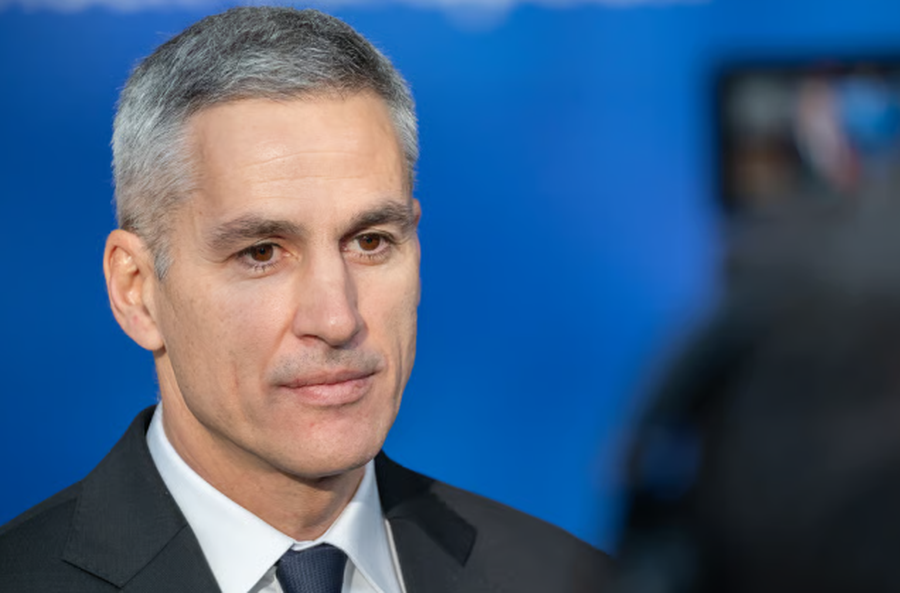
Ahead of next Sunday's elections, Bulgaria faces serious allegations of electoral fraud and foreign interference. Fears of Russian disinformation and American strategic influence place the country in a fragile geopolitical balance.
Bulgaria's Prime Minister Andrey Gurov has promised tougher measures against vote buying and electoral fraud as the country heads towards its eighth parliamentary election in five years.
The vote comes after mass protests in December 2025, sparked by allegations of entrenched government corruption and a regression in the rule of law, which toppled the center-right GERB-led coalition.
Gurov, a former deputy central bank governor and member of the anti-corruption party Continuing the Change, was appointed interim prime minister on February 11. “What we want to do as a government is, for the first time, to protect the elections instead of simply administering them,” he said in an interview with Politico, emphasizing the executive’s neutral stance.
“Citizens need to see that these elections are being really protected,” he added. The government is bracing for possible interference, with former leftist President Rumen Radev’s newly formed Progressive Bulgaria party leading in the polls against veteran center-right leader Boyko Borissov.
In recent weeks, authorities have detained more than 200 people as part of a nationwide operation against vote-buying and voter suppression. The schemes also include the abuse of social assistance programs, such as heating subsidies and food for the needy.
In some cases, local officials, including postal service managers, have misinformed citizens by telling them that state benefits came from certain political parties. According to Gurov, a Russian citizen was also caught in Stara Zagora engaging in election manipulation through local structures.
“The engineering of manipulation has changed. Instead of buying individual votes, actors can secure thousands of votes with a single action, ” the prime minister underlined. This warning comes at a time when trust in the political system has suffered a deep blow. According to the prime minister, successive governments have been more focused on maintaining power than on implementing the reforms demanded by citizens.
GERB's 10-year dominance ended in 2021, paving the way for a long period of unstable coalition governments and caretaker administrations. Even the party's return to power in 2025 proved short-lived, as popular protests toppled it again.
“Këto koalicione janë kompromise për pushtet, jo për reforma. Ato u shërbejnë disa qarqeve politike, jo shoqërisë në tërësi”- shprehet Gurov. Ai paralajmëroi se pa adresimin e këtyre problemeve themelore, Bullgaria rrezikon të mbetet në një cikël të vazhdueshëm paqëndrueshmërie dhe apatie elektorale.
Megjithatë, Gurov këmbëngul se vendi mbetet një partner i besueshëm në aleancat perëndimore, përfshirë NATO-n, dhe një aktor i rëndësishëm në sigurinë e rajonit të Detit të Zi. Më 30 mars, ai nënshkroi një marrëveshje 10-vjeçare për sigurinë dhe mbrojtjen me Ukrainën, duke shkaktuar reagime të forta nga partitë populiste.
“Nuk mund të presim ‘momentin e duhur’ kur bëhet fjalë për sigurinë”- deklaroi ai. Sipas tij, partneriteti me Kievin i ofron Bullgarisë mundësi për zhvillim teknologjik dhe forcim të kapaciteteve ushtarake me përdorim të dyfishtë.
Ndërkohë, më 1 prill, Bullgaria ndërmori një hap të pazakontë për një shtet anëtar të BE-së, duke kërkuar zyrtarisht ndihmë nga Shërbimi Evropian i Veprimit të Jashtëm për të identifikuar dhe ndalur fushatat e aktorëve të huaj, kryesisht rusë, që synojnë manipulimin e opinionit publik.
Sofja kërkoi aktivizimin e mekanizmave që zakonisht përdoren për vende nën presion të lartë hibrid, si Moldavia. Qeveria bullgare synon të përdorë edhe Sistemin e Alarmit të Shpejtë sipas Aktit të Shërbimeve Dixhitale për të detyruar platformat si Meta, Google dhe TikTok të reagojnë në kohë reale ndaj dezinformimit.
Frika kryesore është përsëritja e një skenari ku fushata të koordinuara online ndikojnë ndjeshëm në rezultatin zgjedhor. Ndërkohë, prania e SHBA-së në Bullgari mbetet e fortë, por më e rezervuar.
Më 9 prill, Sekretari i Shtetit Marco Rubio zhvilloi një bisedë telefonike me Gurov, duke vlerësuar bashkëpunimin në siguri dhe projekte strategjike si Korridori Vertikal i Gazit, i rëndësishëm për diversifikimin energjetik.
Megjithatë, ndryshe nga vendet e tjera të rajonit, si për shembull Hungaria, SHBA-ja nuk duket drejtpërdrejt e investuar në rikthimin e figurave të vjetra politike. Hija e skandaleve të korrupsionit dhe sanksionet ndaj bashkëpunëtorëve të afërt të Borissovit kanë krijuar një distancë të dukshme diplomatike.
Peizazhi politik bullgar mbetet thellësisht i fragmentuar. Forcat e djathta dhe populiste shpesh mbajnë qëndrime kontradiktore: skeptike ndaj mbështetjes për Ukrainën dhe më tolerante ndaj Rusisë, ndërkohë që përpiqen të identifikohen me linja politike amerikane konservatore.
Ky pozicionim i bën ato të dyshimta për partnerët perëndimorë. Nga ana tjetër, forcat liberale dhe teknokratike kërkojnë vazhdimësi dhe reforma të thella antikorrupsion, duke e parë integrimin më të fortë me BE-në si rrugën e vetme drejt stabilitetit.
As the elections approach, the main question is not only who will win, but whether the electoral system itself will withstand multiple pressures: on the one hand, the risk of disinformation and foreign interference; on the other, the need to maintain public trust and democratic functioning.
In a country where votes were once bought with minimal social favors, the battle this time is expected to take place in the digital space and behind the scenes of the secret services, a very difficult test for Bulgaria's fragile democracy. / Adapted from "Pamphlet" by "Politico.eu"


Cdo popull te ndjeke intuiten e vet e jo ate Trapi-Putani ideologji, qe eshte ideologjia e xhepit e jo e shtetit.