


 Shkruar nga Pamfleti
US and Iran send conflicting signals. Uncertainty over Pakistan meetings, as clashes between Israel and Hezbollah continue despite ceasefire…
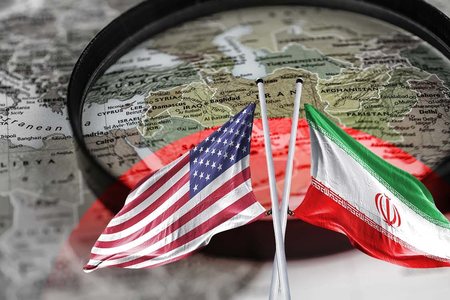
The United States and Iran continue to give mixed signals regarding the possibility of negotiations this weekend, while Israel and Hezbollah continue to exchange attacks despite the extension of the ceasefire.
The White House announced Friday that US envoys Steve Witkoff and Jared Kushner will travel to Pakistan on Saturday to participate in direct peace talks with Iran. Vice President JD Vance is expected to stand by to join if the talks make progress. A White House spokeswoman said Washington has seen “some progress” from the Iranian side.
However, President Donald Trump has not offered a clear deadline for ending the conflict. He said on Friday that Iran is expected to make an offer to the United States, without giving details, and a day earlier he had stressed that uncertainties about the Iranian leadership were complicating the negotiation process.
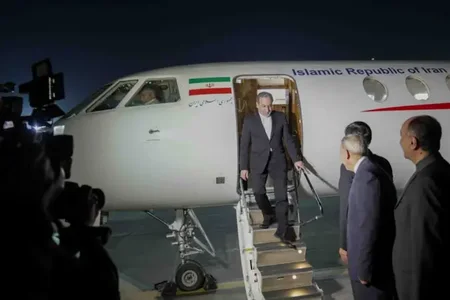
Meanwhile, Iranian Foreign Minister Abbas Araghchi arrived in Pakistan for meetings with mediators, but the Iranian Foreign Ministry denied that a direct meeting with US representatives was planned. Semi-official Iranian media reported that “there are no negotiations with the Americans on the agenda,” a position also repeated by agencies linked to Iranian national security structures.
This uncertainty about the status of the negotiations is not new. In late March, there were conflicting reports of contacts between the two countries. President Trump spoke of “productive talks,” while Tehran denied them. However, Iranian sources acknowledged that there had been indirect communications and expressed a willingness to consider “appropriate” proposals.
Meanwhile, the situation on the ground remains tense. The United States announced that the ceasefire in Lebanon has been extended by three weeks, but clashes between Israel and Hezbollah continue. Israeli Prime Minister Benjamin Netanyahu accused Hezbollah of trying to hinder the peace process and stressed that Israel will strike any threat on Lebanese territory.
The Israel Defense Forces (IDF) announced that they struck Hezbollah targets in the Deir Aames area of southern Lebanon, following a ceasefire violation by the group the day before. The IDF also reported killing six Hezbollah members in Bint Jbeil during clashes on Friday.
A CNN analysis of satellite imagery shows the extent of damage in southern Lebanon, where hundreds of buildings, mostly residential, have been destroyed or rendered uninhabitable since the start of the conflict.
Komuniteti ndërkombëtar ndjek nga afër zhvillimet në Islamabad, në një situatë ku qëllimet diplomatike mbeten të paqarta. Mungesa e një kalendari zyrtar pengon pritshmëritë për përparim konkret, ndërsa delegacionet e SHBA-së dhe Iranit kanë mbërritur në Pakistan pa një takim të konfirmuar zyrtarisht.
Kërcënime në sfond
Në sfondin e bisedimeve diplomatike, prania ushtarake mbetet e theksuar. Komanda Qendrore e SHBA-së (CENTCOM) konfirmon se tre aeroplanmbajtëse amerikane, USS Abraham Lincoln, USS Gerald R. Ford dhe USS George H.W. Bush, operojnë njëkohësisht në Lindjen e Mesme. Ky zhvillim konsiderohet një demonstrim force i rrallë që nga viti 2003. Më shumë se 200 avionë patrullojnë rajonin, ndërsa ministri izraelit i Mbrojtjes, Israel Katz, deklaron se vendi është i gatshëm të rifillojë operacionet ushtarake.
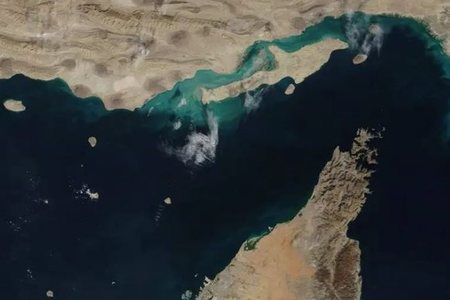
Kjo situatë reflektohet edhe në tregjet e energjisë, veçanërisht pas publikimit nga agjencia iraniane Tasnim të një harte që synon kabllot nënujore në Ngushticën e Hormuzit, duke ngritur shqetësime për rrjedhën e të dhënave mes Evropës dhe Azisë.
Agjencia Evropiane e Sigurisë së Aviacionit (EASA) ka zgjatur paralajmërimin për shmangien e hapësirës ajrore të Lindjes së Mesme deri më 1 maj. Sipas EASA-s, rreziqet për aviacionin civil mbeten të larta, ndërsa zbatimi i marrëveshjeve të armëpushimit konsiderohet i pasigurt.
Në planin diplomatik, Rusia dhe Emiratet e Bashkuara Arabe kërkojnë rifillimin e negociatave. Ministri rus i Jashtëm, Sergei Lavrov, thekson nevojën për një zgjidhje që merr parasysh interesat e të gjitha palëve. Ndërkohë, përplasjet mes Izraelit dhe Hezbollahut vazhdojnë, duke treguar se situata mbetet e brishtë.
Sipas CNN, CENTCOM publikoi pamje të një anijeje luftarake amerikane që ndalon një anije me flamur iranian në Ngushticën e Hormuzit.
“Anija luftarake USS Rafael Peralta (DDG 115) zbaton bllokadën amerikane ndaj porteve iraniane kundër një anijeje që tenton të hyjë në një port iranian më 24 prill”, njoftoi CENTCOM.
Zëdhënësi i Ministrisë së Mbrojtjes së Iranit, Reza Talaei-Nik, deklaron se vendi prodhon mbi 1.000 lloje armësh, përfshirë raketa, dronë dhe sisteme ushtarake. Ai thekson se kjo kapacitet është rezultat i investimeve mbi 25-vjeçare dhe se rreth 9.000 kompani mbështesin industrinë e mbrojtjes, e shpërndarë në të gjithë territorin për të siguruar vazhdimësinë e prodhimit.
Bllokada detare si pengesë kryesore
Bllokada amerikane ndaj porteve iraniane pritet të mbetet një pikë kryesore mosmarrëveshjeje në negociatat mes Uashingtonit dhe Teheranit, sipas raportimeve të korrespondentes Cordelia Lynch.
Ekzistojnë gjithashtu sinjale për një raund të ri bisedimesh që mund të zhvillohet së shpejti në Pakistan. Qëllimi i tyre është përfundimi i konfliktit, i cili, sipas raportimeve, ka nisur më 28 shkurt si një operacion i përbashkët i SHBA-së dhe Izraelit kundër Iranit.
According to Reuters, Russian Foreign Minister Sergei Lavrov and his UAE counterpart, Sheikh Abdullah bin Zayed, are calling for the resumption of negotiations to resolve the crisis. They emphasize the need for the talks to take into account the legitimate interests of all countries in the region. / Pamphlet /




Lini një Përgjigje