


 Shkruar nga Pamfleti
An analysis from the Guardian newspaper explains what test the American president must pass to prove that he has won the game with Iran...
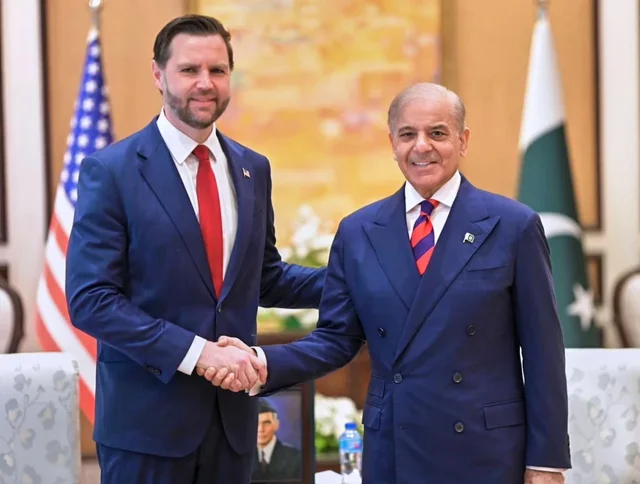
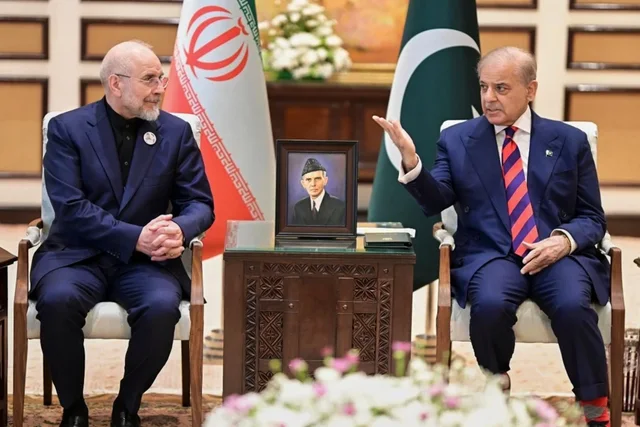
US President Donald Trump will have to overcome significant political obstacles in the next round of negotiations with Iran.
According to an analysis by The Guardian, first, the US president will have to prove that any agreement he reaches is better than the one signed by Barack Obama in 2015 and the agreement proposed in Geneva last February, before the war began.
Otherwise, it will be seen as having caused significant damage to the global economy, even though there were alternatives that would have cost less in human lives and financial resources. It will also have to prove that Iran has not gained any lasting benefit from taking control of maritime transport through the Strait of Hormuz. These are the criteria that the American negotiating team must meet.
Of course, one cannot compare the 2015 agreement on Iran's nuclear program during the Obama presidency to any agreement that emerges from negotiations in Pakistan, as the nature of Iran's nuclear program has changed significantly since 2015. In addition, other issues, such as Iran's ballistic missile program or the management of the Strait of Hormuz, are more important than in 2015.
4 obstacles for Trump
In some ways, any deal in Islamabad would be better than the 2015 agreement, as it would not contain sunset clauses, one of Trump's main criticisms of the Obama deal. This was Trump's main argument for withdrawing from the agreement in 2018.
The new agreement will include timelines for specific events that would trigger it, but overall the agreement is intended to be of indefinite duration. These are, broadly speaking, the 4 points of disagreement on which the Trump team will seek to make progress compared to his Democratic predecessor.
The first concerns Iran’s domestic uranium enrichment. At the Geneva talks held on February 26, the two sides reluctantly reached a position under which the US delegation, acting on Trump’s instructions, demanded that Iran suspend all domestic enrichment for 10 years. Iranian Foreign Minister Abbas Araghchi said that, in his opinion, three years was the maximum the Iranian regime could afford.
In last week's talks in Islamabad, the US increased its demand for a suspension of uranium enrichment to 20 years, while Trump, in an interview with the New York Post, said he "didn't like the 20-year proposal" and would like the enrichment ban to be permanent.
Në praktikë, askush nuk e di se sa kohë do t’i duhet Iranit, duke pasur parasysh dëmet në impiantet e tij kryesore të pasurimit, për të rifilluar pasurimin.
Në bisedimet e vitit 2015, Obama pranoi se Irani mund të pasuronte uranium për 15 vjet, por vetëm deri në nivelin e pastërtisë së kërkuar për një program bërthamor civil, 3.67%. Marrëveshja nuk i jepte në mënyrë të qartë Iranit të drejtën për të pasuruar si çështje parimore.
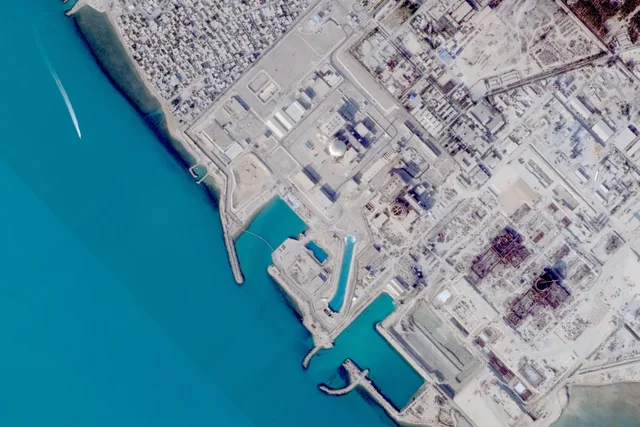
Çështja e dytë janë rezervat e uraniumit të pasuruar në nivel të lartë të Iranit. Marrëveshja e Obamës i kufizoi rezervat e uraniumit të Iranit në 3.65% dhe 300 kilogramë. Irani tani ka 440.9 kilogramë uranium të pasuruar në 60% uranium-235.
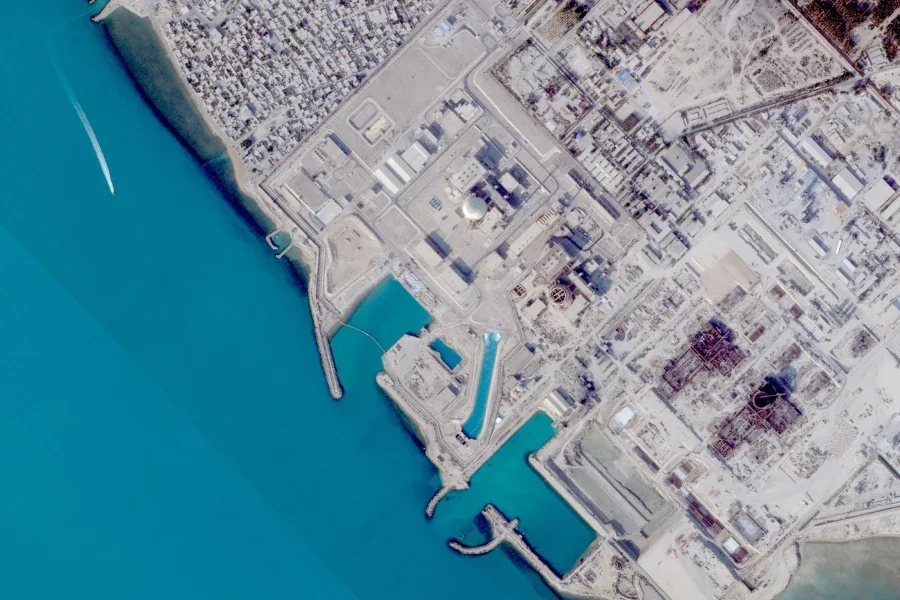
Ky nivel mund të pasurohet me shpejtësi deri në një nivel prej 90% të gradës së armëve. Pothuajse i gjithë materiali është në formë të gaztë (UF6) dhe ruhet në kontejnerë të vegjël, afërsisht sa madhësia e një rezervuari për zhytje. Irani thotë se ka qenë duke e ndërtuar këtë rezervë në këto nivele më të larta pastërtie që nga korriku i vitit 2019 si një monedhë negociuese në përgjigje të dështimit të SHBA-së dhe Evropës për të hequr sanksionet siç ishte premtuar në marrëveshjen e vitit 2015.
Në Gjenevë më 26 shkurt, Irani ofroi të “dobësonte” këtë rezervë të uraniumit të pasuruar, një proces i pakthyeshëm, nga 60% në 3.67%, niveli maksimal i vendosur në marrëveshjen e Obamës. E njëjta marrëveshje kishte përmbajtur dispozita të ngjashme si për dobësimin ashtu edhe për eksportin e rezervave të tepërta.
SHBA-të në Islamabad kanë thënë se duan që i gjithë rezerva të hiqet nga Irani, idealisht nën mbikëqyrjen e SHBA-së. Nuk është e qartë pse reduktimi i pasurimit brenda Iranit nën mbikëqyrjen e plotë të IAEA-s është një mundësi shumë më e keqe për SHBA-në sesa transportimi i uraniumit jashtë vendit.
Sipas gazetës Guardian, në Gjenevë, Irani propozoi një masë të re për ndërtimin e besimit, duke deklaruar se nuk do të ndërtonte rezerva uraniumi dhe se uraniumi do të pasurohej vetëm sipas nevojës. Ky do të ishte një fitim që Trump mund ta pretendonte se ia kalon çdo marrëveshjeje të Obamës.
Çështja e tretë është heqja e sanksioneve. Marrëveshja e vitit 2015 parashikonte lirimin e 100 miliardë dollarëve në asete iraniane të ngrira jashtë vendit dhe heqjen e kufizimeve në tregtinë e naftës së Iranit. Por ajo mbajti kufizime mbi terrorizmin, shkeljet e të drejtave të njeriut dhe përhapjen e raketave. Në Gjenevë, më shumë se 80% e sanksioneve kundër Iranit duhej të hiqeshin, ndërsa sanksionet që lidhen me të drejtat e njeriut do të mbeteshin në fuqi.
Megjithatë, administrata Trump përballet me kufizime politike për heqjen e sanksioneve. Në vitin 2015, figura të tilla si Marco Rubio, atëherë senator, e kritikuan ashpër Obamën, duke thënë: “Irani do t’i përdorë menjëherë paratë që merr nga heqja e sanksioneve për të filluar forcimin e aftësive të tij konvencionale. Do ta vendosë veten si fuqia ushtarake dominuese në rajon jashtë Shteteve të Bashkuara dhe do të rrisë koston e veprimeve tona në rajon.”
As a result, Trump wants some restrictions on how Iran will spend the money it receives from sanctions relief. For its part, Iran cannot accept such restrictions and needs some assurances that the sanctions relief will be permanent and not reversible, as in the past. It is at this point that the trust deficit between the two sides makes the solution so difficult.
Finally, there is the confluence of non-nuclear issues, such as support for proxy forces, ballistic missiles and, above all, the future of the Strait of Hormuz. Trump has always complained that Obama’s deal treated Iran’s nuclear program in isolation and did not address the country’s broader behavior. Can he push these broader issues, or does he want them somehow subsumed into a broader agreement?
Iran is between two options
Iran itself appears divided on how to deal with the US blockade of its ports, including whether it should be considered a violation of the ceasefire and whether it should be stopped before talks can resume in Islamabad.
Overall, Ali Nasri, an international lawyer based in Iran, said on Tuesday that within Iran there are two conflicting views on how the issue of the Strait of Hormuz should be handled.
One, more contradictory, view advocates exploit the Straits to generate revenue, obtain compensation for war damages, and affirm national pride. The other sees it as a strategic negotiating tool to achieve a lasting ceasefire, sanctions relief, and security guarantees in the short term.
"Later, as the threat environment recedes and the Trump presidency likely ends, a carefully crafted legal system could pave the way for Iran to exercise greater authority over the crossing," the lawyer said.
He even compared the options facing Iran to the famous Marshmallow Experiment at Stanford University, which dealt with the delay of gratification and was conducted in the 1970s. The experiment was intended to highlight the importance of delayed gratification for children aged 4 to 6 and link it to the virtues of self-control and patience.
"The country's future success and progress depend on our ability to resist the temptation of immediate gratification and choose a gradual, well-thought-out, long-term course," the lawyer said.
So, somewhere between the "Obama test" that Trump must win and Iran's "Marshmallow test" lies a difficult path to peace. /Adapted from Pamphlet /


Lini një Përgjigje