


 Shkruar nga Pamfleti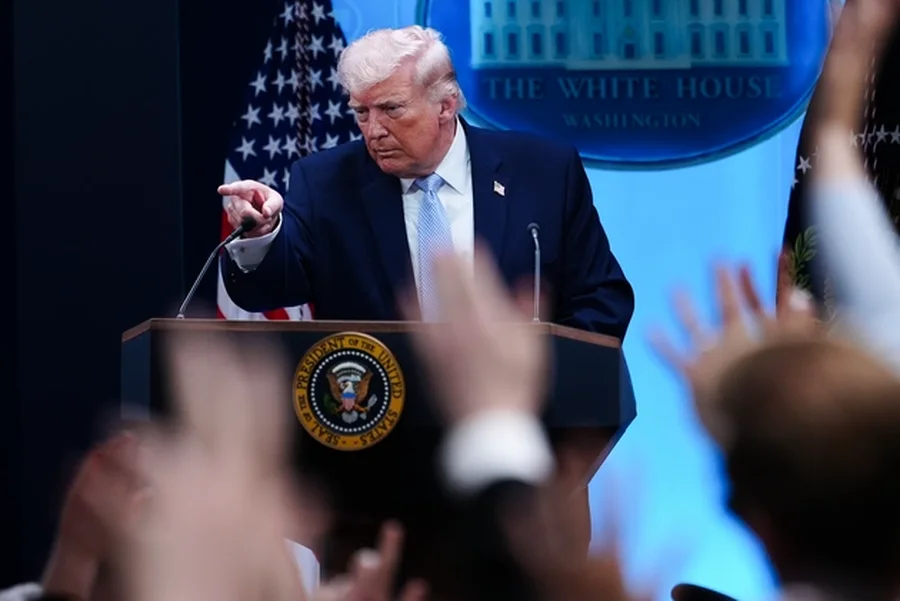
The deadline for the ceasefire remains unclear. Trump has given different versions of its conclusion, leaving room for a possible extension, but stressing that a further extension is "highly unlikely"...
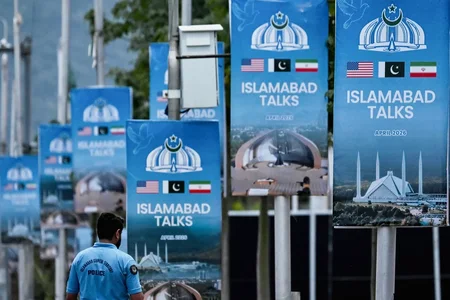
It's a big day for the US and Iran. But especially for Trump, who has set a ceasefire for Wednesday evening, US time. The two delegations are expected to arrive in Islamabad today, where the second round of negotiations will take place.
The American delegation led by Vice President JD Vance, with Steve Witkoff and Jared Kushner, and the Iranian delegation led by Parliament Speaker Mohammed Ghalibaf and Foreign Minister Araghchi, have until midnight (US time) to reach an agreement, or else war will begin.
Trump, through social media, has announced that extracting uranium from Iran will be "long and difficult." He reiterated that the US attacks destroyed nuclear sites in Iran. " Operation Midnight Hammer was a complete and total destruction of nuclear material sites in Iran. Therefore, extracting it will be a long and difficult process ," he wrote.
Donald Trump intends to invoke a Cold War-era national security law to boost domestic fuel and electricity production at a time when the war against Iran has significantly increased energy prices, a senior White House official told Axios.
The Defense Production Act, passed in 1950, gives presidents the power to increase private industrial production of materials and supply chains deemed vital to U.S. security. Both Trump and Joe Biden have used it in the past.
Negotiations with Iran, who is lying?
As the weekend approached, the United States and Iran appeared close to reaching a deal to end the seven-week war. But President Donald Trump did exactly what his aides had repeatedly said would not happen: he appeared to be negotiating through the media, posting on social media about the ongoing talks and speaking to several reporters by phone Friday morning while Pakistani mediators updated him on his contacts with Iranian officials in Tehran.
He claimed that Iran had agreed to a series of provisions that, according to sources familiar with the negotiations, have not yet been finalized. He also declared that Tehran had accepted many of the most controversial US demands, including the handover of enriched uranium, and declared an imminent end to the war.
Zyrtarët iranianë i kundërshtuan publikisht këto deklarata dhe mohuan se po përgatiteshin për një raund tjetër bisedimesh, duke zbehur shpejt optimizmin për një marrëveshje. Tani nuk është e qartë se si do të vijojnë negociatat për paqen.
Disa zyrtarë të administratës Trump pranuan privatisht për CNN se komentet publike të presidentit kanë qenë të dëmshme për procesin, duke theksuar ndjeshmërinë e negociatave dhe mosbesimin e thellë të Iranit ndaj SHBA-së. Gjithashtu, zyrtarët amerikanë dyshojnë për përçarje brenda Iranit mes ekipit negociator, të drejtuar nga kryetari i Parlamentit Mohammad Bagher Ghalibaf dhe ministri i Jashtëm Abbas Araghchi, dhe Gardës Revolucionare Islamike, çka ngre pyetje se kush mund të miratojë përfundimisht një marrëveshje.
“Iranianët nuk e pritën mirë që presidenti të negocionte përmes rrjeteve sociale dhe të krijonte përshtypjen sikur ata kishin rënë dakord për çështje që ende nuk i kishin pranuar, dhe që nuk janë të pëlqyera nga publiku i tyre,” tha një burim për CNN, duke shtuar se ata janë veçanërisht të shqetësuar të mos duken të dobët.
Trump i tha Bloomberg se Irani kishte rënë dakord për një pezullim “të pakufizuar” të programit të tij bërthamor. Ai i tha CBS News se Teherani “kishte rënë dakord për gjithçka” dhe do të bashkëpunonte me SHBA për të hequr uraniumin e pasuruar. Ndërsa për Axios ai deklaroi se një takim “me gjasë do të zhvillohej gjatë fundjavës”, duke shtuar: “mendoj se do të arrijmë një marrëveshje brenda një ose dy ditësh.”
Armëpushimi i brishtë mes Uashingtonit dhe Teheranit u vu sërish në provë të dielën, kur një shkatërrues amerikan me raketa të drejtuara qëlloi dhe ndaloi një anije mallrash iraniane që tentoi të kalonte bllokadën detare amerikane në Gjirin e Omanit, duke rritur tensionet.
A do të arrihet marrëveshja?
Ndërsa afati i armëpushimit dyjavor po afrohet, Trump përballet sërish me një vendim: të pranojë një marrëveshje, edhe nëse është e papërsosur, apo të përshkallëzojë konfliktin që më parë kishte deklaruar se do të përfundonte deri tani.
Deri të hënën, zyrtarët iranianë dukeshin më pak kundërshtues ndaj vazhdimit të negociatave, por përmbajtja e çdo marrëveshjeje të mundshme mbetet e paqartë.
“SHBA nuk ka qenë kurrë më pranë një marrëveshjeje të mirë me Iranin, ndryshe nga marrëveshja e dobët e administratës Obama, falë aftësisë negociuese të Presidentit Trump,” deklaroi zëdhënësja e Shtëpisë së Bardhë, Karoline Leavitt, e cila shtoi “kush nuk i kupton taktikat e tij ose është i paditur ose nuk dëshiron t’i kuptojë.”
Trump ka vendosur disa “vija të kuqe”, përfshirë ngrirjen e pasurimit të uraniumit dhe dorëzimin e rezervave të materialit pranë nivelit të përdorimit për armë. Nga ana tjetër, Irani kërkon kontroll mbi Ngushticën e Hormuzit dhe heqjen e sanksioneve amerikane.
In the first round of talks, US negotiators proposed a 20-year ban on uranium enrichment. Iran responded with a five-year proposal, which the US rejected. A more recent Iranian proposal includes a 10-year pause, followed by another decade with lower enrichment limits. Trump, however, has said he does not want any enrichment indefinitely.
The Trump administration is also considering the possibility of unlocking $20 billion in Iranian assets as part of the negotiations, in exchange for the handover of enriched uranium.
The flexibility of the parties will determine whether a deal can be reached. For Trump, a key element is not accepting a deal that could be compared to the Obama-era nuclear deal, from which he withdrew in 2018.
At the very least, negotiators aim to reach an initial framework of understanding that will be followed by more detailed talks in the coming weeks. However, some warn that Iran could use the negotiations to buy time.
Trump insisted on Monday that he feels no pressure to reach a deal, despite growing discontent among the American public and the conflict's impact on fuel prices.
"I'm not under any pressure, although everything will happen relatively quickly," he wrote on the Truth Social network.
The president's public statements have also added to the uncertainty about Vice President JD Vance's role in the negotiations, with conflicting information from Trump himself and other officials. In the end, it was confirmed that Vance would lead the American delegation.
The talks are expected to take place in Islamabad, while sources emphasize that the situation remains constantly changing.
Meanwhile, the deadline for the ceasefire also remains unclear. Trump has given different versions of its end, leaving room for a possible extension, but stressing that a further extension is "highly unlikely."
In the absence of an agreement, the president has warned of the resumption of fighting, leaving open the possibility of a new escalation of the conflict. /Adapted from Pamphlet /


Lini një Përgjigje