


 Shkruar nga Pamfleti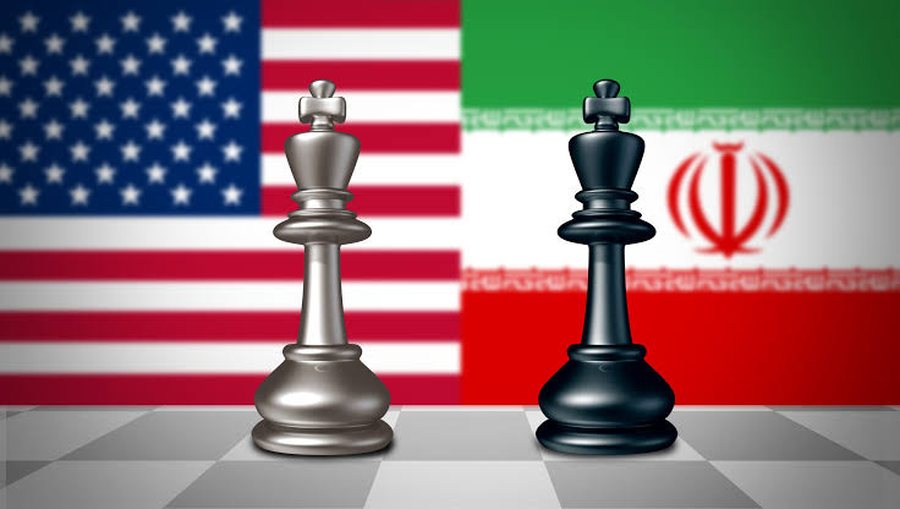
The opening of the Strait of Hormuz, the future of the Iranian nuclear program and Lebanon's involvement remain unclear issues, while the details of the memorandum of understanding have not yet been made public...
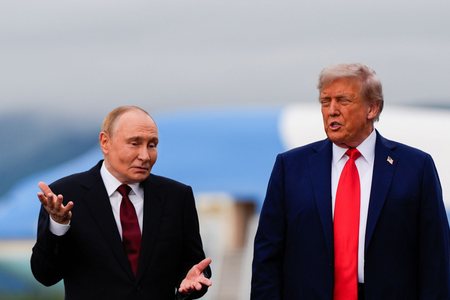
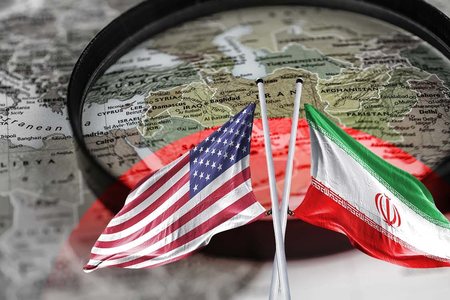
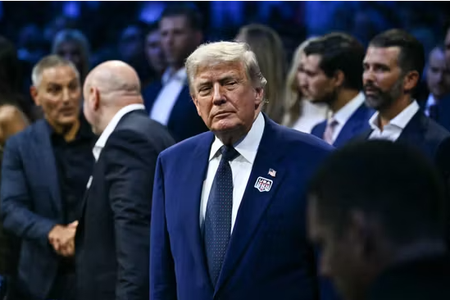
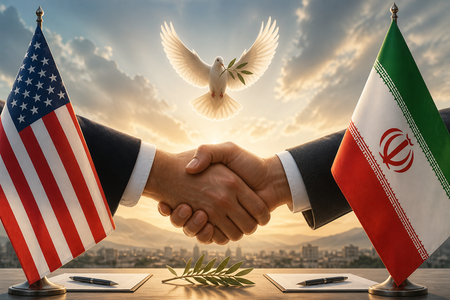
US President Donald Trump and Iranian officials have declared an immediate end to the war between the United States and Iran. Trump declared that "oil will flow again to both sides of the region and to the world."
However, hours after the announcements, the exact content of the agreement remained unclear. The final text of the memorandum of understanding has not been published and details are missing on key issues such as the status of the Strait of Hormuz, the Iranian nuclear program and the situation in Lebanon.
Trump told The New York Times that the US could resume military strikes if Tehran does not reach a nuclear deal during broader negotiations expected to begin on Friday.
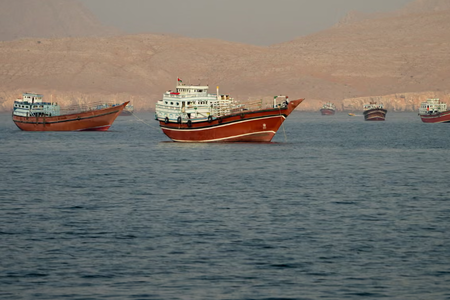
Strait of Hormuz
On Sunday evening, Trump announced that he had authorized the tariff-free opening of the Strait of Hormuz and the immediate lifting of the US naval blockade.
However, just an hour later, he clarified that the opening of the strategic sea route would depend on the signing of an agreement scheduled for Friday and that it would initially serve for naval mine clearance operations.
Pakistani Prime Minister Shehbaz Sharif, who brokered the negotiations, did not mention the Strait of Hormuz in his initial statement. Meanwhile, Iran's state-run Mehr news agency reported that the memorandum calls for its reopening within 30 days under "Iranian arrangements."
The US has long opposed any system of charging or controlling maritime traffic in the strait. The leaders of Great Britain, France, Germany and Italy have also stressed that the reopening must be unconditional and guarantee complete freedom of navigation.
Despite the uncertainty, global oil prices fell sharply after the announcements. However, experts warn that it could take months or years for energy production in the Persian Gulf to fully return to normal, as some infrastructure has been damaged by drone attacks. It also remains unclear whether shipping companies and insurers will consider the strait safe enough to navigate.
Lebanon
Another important point is whether the agreement also includes Lebanon. Iranian Deputy Foreign Minister Kazem Gharibabadi stated that the agreement provides for “a permanent and immediate end to the war on all fronts, including Lebanon.”
The same position was held by Pakistani Prime Minister Sharif, who said that both sides have agreed to the immediate and permanent cessation of military operations on all fronts, including Lebanon.
However, Trump did not mention Lebanon in his initial statements, focusing almost exclusively on the Strait of Hormuz. This could create difficulties for Israel, which has not been part of the US-Iran negotiations. Prime Minister Benjamin Netanyahu did not immediately react to news of the deal and faces domestic political pressure that could push him to continue actions against Iran and its regional allies, including Hezbollah in Lebanon.
Plans to announce the deal on Sunday were delayed after an Israeli attack in Beirut that destroyed a building on the southern outskirts of the Lebanese capital, killing three people and wounding six. Trump said the attack delayed the signing of the deal by several hours.
Relations between Trump and Netanyahu have been strained over Israel's military operations in Lebanon. US media reported that Trump expressed strong dissatisfaction with the Israeli prime minister's decisions to continue the attacks.
Iranian nuclear program
The most important issue, that of Iran's nuclear program, remains unresolved. Trump reiterated on Sunday that "Iran will never have a nuclear weapon," but Pakistani officials told The Associated Press that negotiations on the nuclear program will continue for the next 60 days.
The US president also warned that Tehran's failure to reach a nuclear deal could lead to new US military strikes.
In a joint statement, the UK, France, Germany and Italy supported this approach, announcing that they are ready to lift certain sanctions if Iran takes clear and verifiable steps to limit its nuclear program.
Iran insists its program is peaceful and has so far refused to publicly agree to give up its stockpile of enriched uranium, some of which is believed to be at three nuclear facilities that were severely damaged in US strikes last year.
Trump faces political pressure to secure a stronger deal than the 2015 deal negotiated by Barack Obama's administration. The US withdrew from that deal during Trump's first term, while Iran subsequently significantly increased its uranium enrichment level.
The fate of the current stockpile of enriched uranium is expected to be one of the most important topics of the negotiations that will take place in the coming weeks. Republican Senator Lindsey Graham stated that he will follow these talks closely. / Pamphlet /


Lini një Përgjigje