


 Shkruar nga Pamfleti
Prevost is said to have chosen the name Pope Leo XIV.
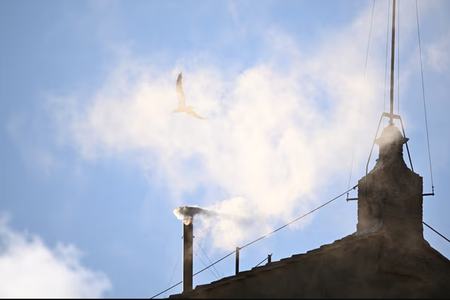
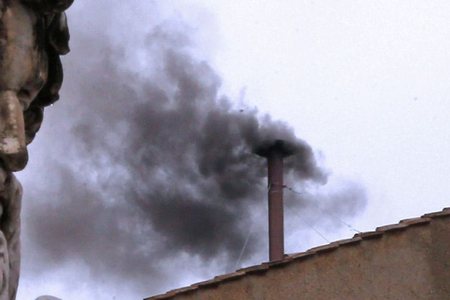
Cardinal Robert Francis Prevost, an American originally from Chicago and with dual American and Peruvian citizenship, has been elected as the new Pope of the Roman Catholic Church, following a conclave held in the Sistine Chapel. His election marks a historic moment, as Prevost becomes the first pope from the United States, breaking a centuries-old tradition of popes predominantly from Europe or, more recently, from Latin America. Prevost is understood to have chosen the name Pope Leo XIV
Who is Pope Robert F. Prevost?
Robert Francis Prevost was born on September 14, 1955, in Chicago, Illinois, USA. His path to the Vatican began at a local church in the south suburb of Chicago, near Dolton, where he served as a young man. From an early age, Prevost showed a clear commitment to his faith, impressing his peers with his determination. “Even as a young teenager, he knew what he wanted to do and where he wanted to go,” a schoolmate told the Chicago Sun-Times.
Ordained a priest in 1982 at the age of 27, Prevost began his career as a missionary in Peru, where he served for two decades as a parish priest, teacher and then as a bishop. During his time in Peru, he acquired Peruvian citizenship, making him a unique candidate with strong ties to both North and Latin America. He later rose to leadership positions in the Vatican, serving as Prefect of the Dicastery for Bishops and President of the Pontifical Commission for Latin America under Pope Francis.
Prevost, now 69, is known for his moderate and balanced approach. He is seen as a centrist, with progressive views on certain social issues, such as supporting marginalized groups, following Pope Francis' example in helping the poor and immigrants. However, he has conservative positions on some doctrinal issues, such as opposing the ordination of women as deaconesses.


Lini një Përgjigje