


 Shkruar nga Giacomo Bondi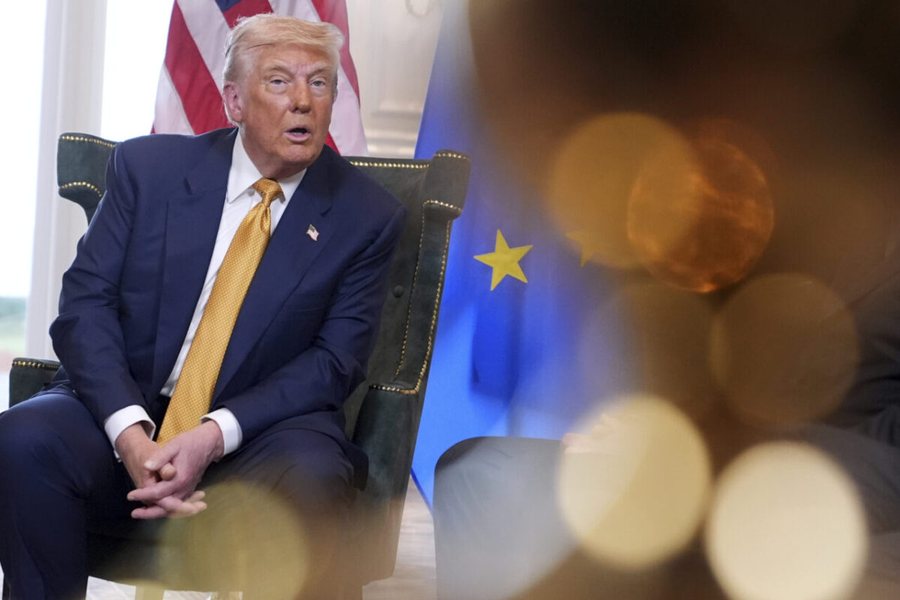
As polls register a growing fear of a global conflict within five years, leaders gathered in Bavaria must confront a paradox: the public demands more security but refuses to pay the price for it. Meanwhile, the Trump-era United States is no longer seen as a reliable ally…
The 62nd Munich Security Conference opened yesterday with a question that until recently would have been unthinkable: if Moscow were to attack Narva, the Estonian city on the border with Russia, tomorrow, would the United States still intervene?
Does NATO's Article 5 - the principle that an attack on one is an attack on all - still apply after Donald Trump's threats to Denmark over Greenland, accusations of "disintegration" of the European Union and his ambiguity towards Vladimir Putin?
No one can answer for sure. And this is already a historical fact.
The figures from the Politico poll, published on the eve of the conference, are indisputable: 46 percent of Americans and 43 percent of Britons believe that World War III will break out within five years, that is, by 2031.
In France and Canada, the majority consider this scenario possible. Only Germany remains skeptical, although even there the perception of uncertainty has increased significantly since March 2025.
Russia is seen as the main threat to peace in Europe, but the most surprising finding is another: in France, Germany and Britain, the second most cited threat is the United States itself, leaving behind even China. In Canada, Trump's America is actually considered the main source of risk to national security.
These are not just passing sentiments. The Munich Security Report 2026, published this week, calls the Trump administration’s approach a “destructive policy.” For the first time in more than 80 years, the international order built by the United States in the postwar period is unraveling.
Multilateralism, economic integration and the protection of human rights – all pillars of this order – are being systematically dismantled. Yet, in the face of this perception of risk, European public opinion refuses to foot the security bill. Here the most dramatic paradox of the conference unfolds: in theory, majorities in France, Germany, Britain and Canada support increased defence spending, but when it is explained that this means more public debt, cuts to social services or higher taxes, support drops sharply.
In France, it falls from 40 to 28 percent, while in Germany it falls from 37 to 24 percent. For Germans, defense has become one of the least favorite areas for investing public money.
“Udhëheqësit evropianë janë të bllokuar” - thotë Seb Wride nga Public First. “Ata nuk mund të mbështeten më te SHBA-ja, por as nuk munden ta përdorin këtë si argument për të investuar më shumë në vend, ndërkohë që presioni rritet dita-ditës”- shton ai.
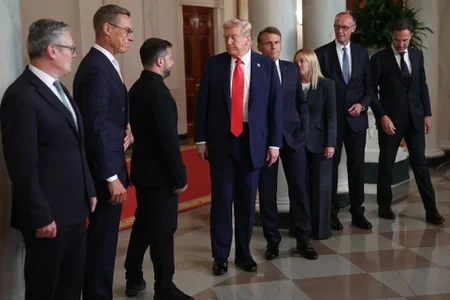
Mbi 50 krerë shtetesh dhe qeverish janë mbledhur këtë fundjavë në Mynih, të ndarë mbi thuajse çdo çështje. Presidenti francez Emmanuel Macron e quan administratën Trump “haptazi anti-evropiane” dhe propozon ofrimin e ombrellës bërthamore franceze për një Evropë që nuk mund të mbështetet më te Uashingtoni.
Sekretari i Përgjithshëm i NATO-s, Mark Rutte, kundërpërgjigjet duke thënë se “kushdo që mendon se Evropa mund të mbrohet pa SHBA-në, thjesht po ëndërron”. Ndërkohë, NATO njoftoi një riorganizim të strukturës komanduese që është shumë më tepër se një lëvizje teknike. Ai është një sinjal i qartë i tërheqjes amerikane. SHBA-ja po ia dorëzon Komandën e Norfolkut Britanisë dhe atë të Napolit Italisë, duke mbajtur vetëm komandën detare në Northwood. Megjithatë, ekziston një “elefant në dhomë” për të cilin pak kush flet hapur.
Në takimin e Ministrave të Mbrojtjes, SHBA-ja nuk dërgoi Sekretarin e Mbrojtjes, por Elbridge Colby-n, teoricienin e zhvendosjes së vëmendjes së Uashingtonit drejt Azisë. Mesazhi i tij ishte i prerë: Evropa duhet të marrë përgjegjësinë për mbrojtjen e saj konvencionale.
Por rritja e shpenzimeve nuk mjafton. Duhen rezultate dhe aftësi të vërteta luftimi, jo vetëm rritje e përqindjeve të PBB-së për mbrojtjen. Dhe pikërisht këtu qëndron hendeku i vërtetë. Parandalimi modern nuk matet më me tanke, por me Inteligjencë Artificiale, sisteme autonome dhe gjysmëpërçues të përparuar - fusha ku Evropa nuk dominon.
Në këto kushte, ajo përballet me një trilemë: të ndërtojë sovranitet teknologjik (që kërkon 10 vjet kohë), të rrisë varësinë nga platformat amerikane (gjë që e vret autonominë), ose të blejë sisteme IA nga Uashingtoni (e pamundur me një administratë që kërcënon BE-në).
Pra, Colby pretendon diçka që kërkon besim te SHBA (që nuk ekziston), kohë (që po mbaron), para (që publiku nuk i jep) dhe koordinim midis 27 vendeve (që mbetet një sfidë).
Në Mynih janë të pranishëm edhe demokratë si Gavin Newsom dhe Alexandria Ocasio-Cortez, mesazhi i të cilëve është “kundërshtoni Trumpin”. Por shumë njerëz besojnë se rendi i vjetër i bazuar në rregulla ka vdekur, duke u zëvendësuar nga një botë ku fuqitë e mëdha bëjnë pazare mbi kurrizin e të tjerëve.
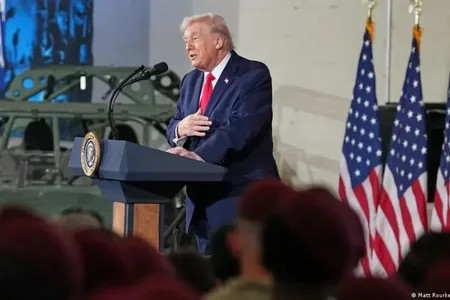
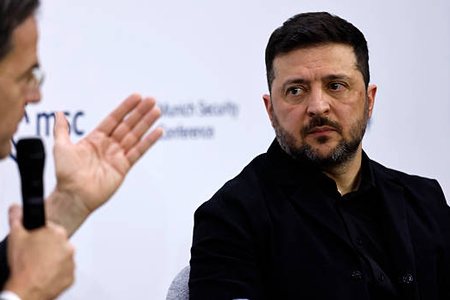
Kjo pasqyrohet te situata në Ukrainë, ku lufta po hyn në vitin e saj të pestë. Trump kërkon një marrëveshje paqeje sipas kushteve të Putinit brenda pak muajsh, ndërsa J.D.Vance ka deklaruar prerë se “kjo nuk është lufta jonë”.
Evropa duhet të vendosë: të presë kthimin e mundshëm të demokratëve në pushtet në vitin 2028, apo të përgatitet për një botë ku siguria nuk mund t’i delegohet më Uashingtonit.
The problem is that this new world requires technological, industrial and financial capabilities that do not currently exist on our continent. Between the fear of war and the inability to defend itself, the drama of a West that no longer recognizes itself is being played out. / Prepared by Pamphlet by "Linkiesta"




Lini një Përgjigje