


 Shkruar nga Pamfleti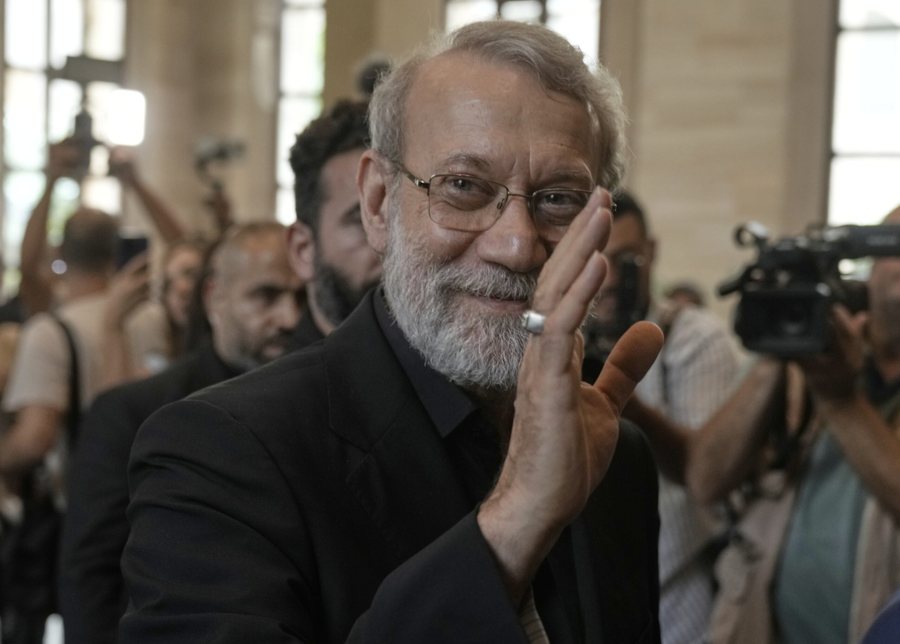
Washington aimed to weaken Iran's military capabilities, while Israel sought to overthrow the regime. The assassination of Ali Larijani reportedly deepened the differences between the two allies.
The war against Iran may have begun as a joint operation between the United States and Israel in late February, but as the weeks passed, significant differences emerged between Washington and Tel Aviv regarding the strategic objectives of the conflict, The Washington Post reports, citing American officials.
According to the report, Israel aimed to overthrow the Iranian regime, believing that its intelligence created the conditions for achieving this objective. The US administration, in contrast, assessed from the beginning that regime change was not realistic during the conflict and focused on striking Iran's military and naval capabilities.
In March and April, the US turned to diplomacy, seeking negotiations with Tehran. According to The Washington Post, Washington urged Israel to avoid eliminating Iranian political figures who were considered pragmatic and could play a role in future talks.
Aaron David Miller, a former US State Department official and advisor to Republican and Democratic administrations, told the newspaper that the developments highlighted strategic differences between the two allies.
"This reveals the divergence in war objectives between the United States and Israel and reflects Prime Minister Benjamin Netanyahu's determination to undermine any negotiations through which the US could achieve results ," he said.
According to officials cited in the report, the disagreements deepened after the killing of Ali Larijani, secretary of Iran's Supreme National Security Council, in an Israeli airstrike in mid-March. His death was also confirmed by Iranian authorities.
A Western official, quoted by The Washington Post, said this was the crucial sticking point between the allies.
"The turning point was not the assassination of Supreme Leader Ali Khamenei, but the elimination of Larijani. Washington was looking for an Iranian official with whom it could work, and suddenly he was gone," he said.
Even US President Donald Trump hinted in March that the Israeli campaign of targeted killings had complicated diplomatic efforts.
"You know, it's a little tough... They've almost eliminated them all... I don't want to kill them ," Trump told reporters at the time.
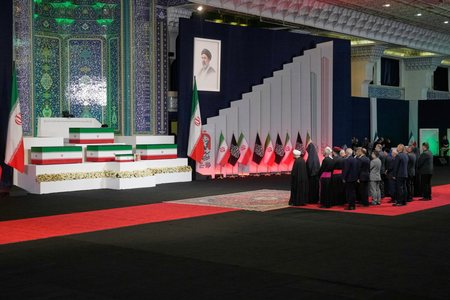
According to Iranian authorities, Larijani was killed along with his son, Morteza, and several others in an attack on his daughter's apartment in the Pardis area, northeast of Tehran, during the early hours of March 16–17. Israel claimed responsibility for the operation, while Iran stated that the attack was carried out by Israeli and American warplanes.







Lini një Përgjigje