


 Shkruar nga Pamfleti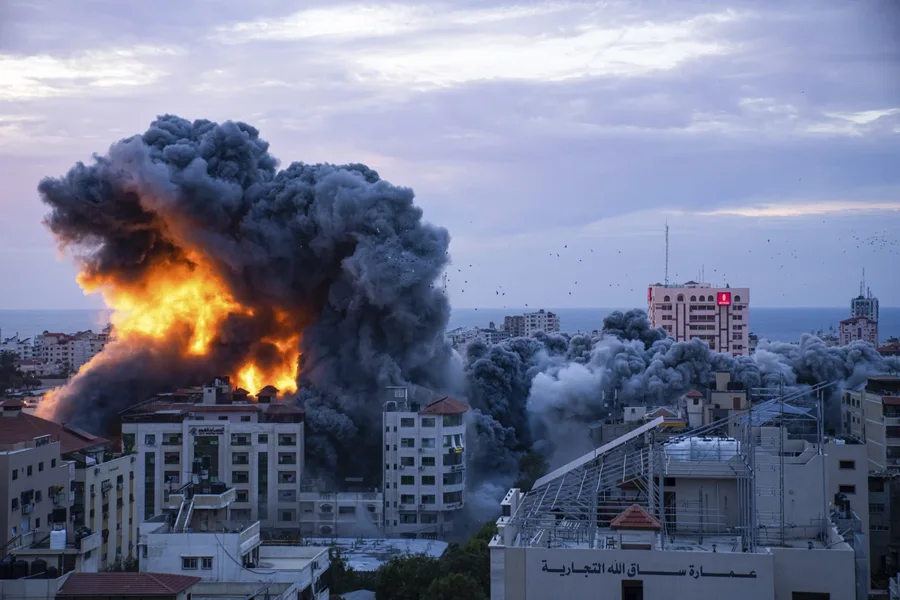
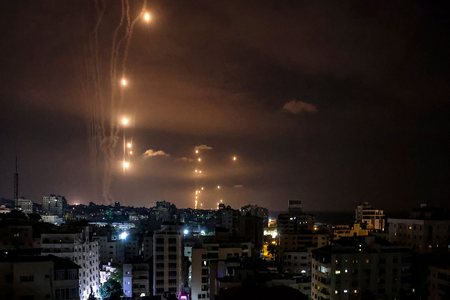
From Iran, supplies of increasingly sophisticated weapons have arrived in Gaza. And the fear is about the long-range rockets that Hezbollah has in Lebanon: weapons even more terrifying than the rockets used in Gaza today...
How many wars have there been in Gaza so far?
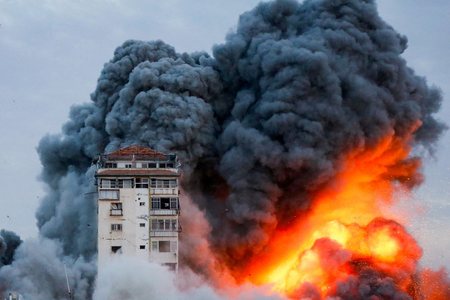
At least seven in eighteen years. The first began when the Israeli army and eight thousand settlers left the Strip in 2005, leaving control to the Palestinian Authority. And especially after the Islamist movement Hamas won the elections in 2007, defeating Abu Mazen's Fatah and taking control of this coastal territory. A prologue was Operation Summer Rains (2006), after the killing of two Palestinian militiamen and the kidnapping of Israeli soldier Gilad Shalit: Operation Cast Lead in 2008, when Israel entered Gaza after repeated Palestinian rocket launches: in three weeks of war, 1,400 Palestinians and 13 Israelis remain dead. The second is Operation Pillar of Defense (2012), with a rocket attack that also killed the military leader of Hamas and in eight days caused 177 Palestinian deaths, six among Israelis.
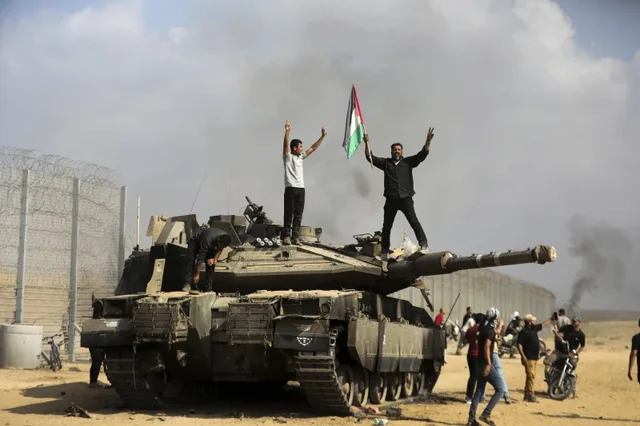
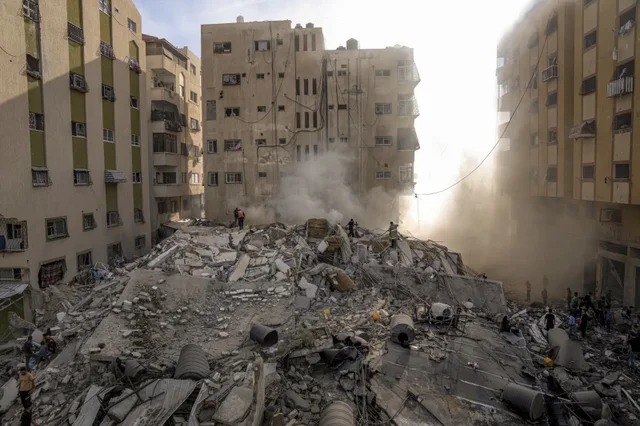
In 2014, there was Operation Defense Line, to block rockets and close the tunnels connecting the Strip with Egypt: in seven weeks of fire, 2,251 Palestinians and 74 Israelis were killed. Two and a half years ago, in May 2021, eleven days of conflict left 248 Palestinians (66 children) and thirteen Israelis dead. Also last May, there were five days of clashes with Islamic Jihad, where 33 Palestinians and two Israelis were killed. Now, the seventh fight.
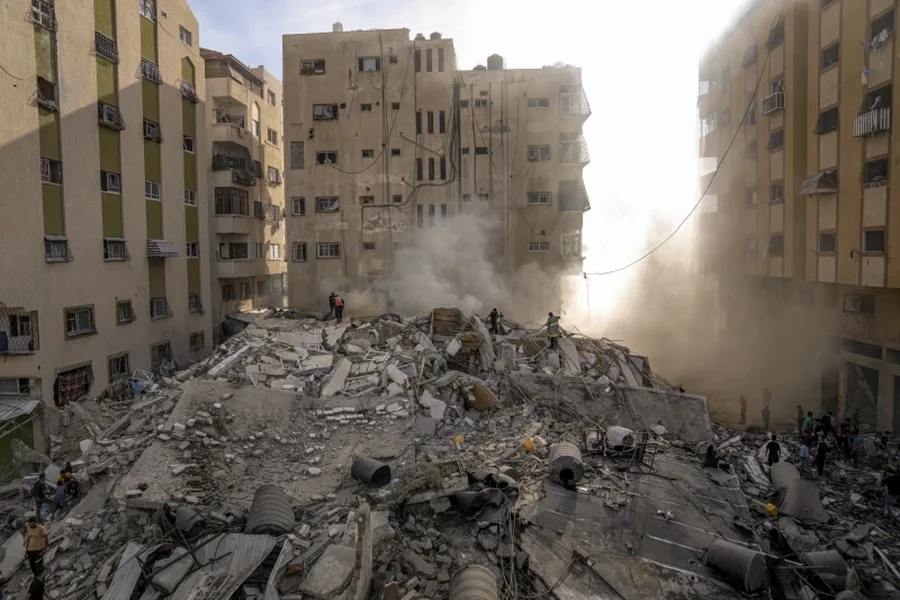
But why always Gaza?
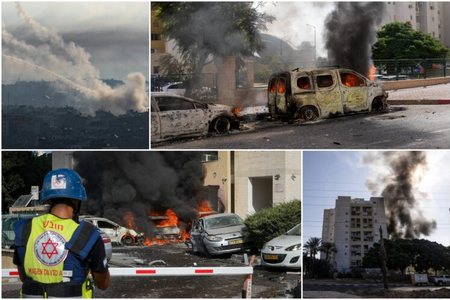
Since Hamas has controlled the Strip, Israel has declared it "hostile territory." By cutting off the supply of electricity, fuel and essential goods for long periods, as well as blocking exports. Qassam rocket attacks on Israeli cities have worsened the situation from time to time. But after the military operations, the Gaza stalemate has also been used politically by the main players. From Hamas, which controls Gaza with an iron fist and has now maintained leadership in the fight against the occupation of the Palestinian territories, receiving financial and military aid from Iran.
The division between Hamas and Abu Mazen's Fatah Palestinians also serves to explain why the conflict has always focused on Gaza.
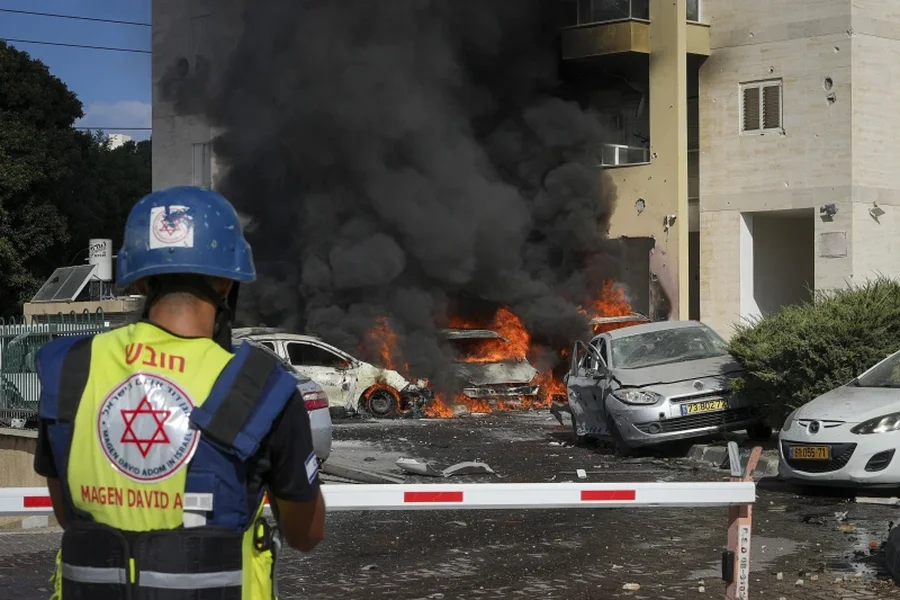
Is there a risk that the Palestinians of Abu Mazen will be involved?
Në Bregun Perëndimor, Abu Mazen, tani i moshuar dhe i sëmurë, ka qenë president i Autoritetit Palestinez që nga viti 2006. Mandati i tij ka skaduar gati pesëmbëdhjetë vjet më parë, por ai nuk shkon kurrë në zgjedhje, sepse të gjitha zgjedhjet kanë parashikuar gjithmonë një fitore të Hamasit. Gjatë presidencës amerikane të Trump, dhe falë Marrëveshjes së Abrahamit të nënshkruar në vitin 2020 nga Izraeli me disa vende të Gjirit si Arabia Saudite, armiku historik i Turqisë dhe Iranit, u njoftua me një shi me para në Bregun Perëndimor të Abu Mazen, gjithnjë e më i korruptuar dhe i varur nga ndërkombëtarët.
Ndihma me 50 miliardë dollarë deri në vitin 2030, së bashku me premtimin e një GDP të dyfishuar, një milion vende pune, reduktimin e varfërisë me 50%, rritjen e eksporteve me 17 në 40% të PBB-së, një renditje e Bankës Botërore e barabartë me atë të Katarit, e kanë dobësuar shumë solidaritetin palestinez. Sidomos kur SHBA zhvendosi ambasadën në Jerusalem, duke njohur qytetin e përjetshëm si kryeqytetin e Izraelit dhe në të njëjtën kohë duke prishur marrëveshjen bërthamore iraniane, reagimet e AP-së ishin pothuajse zero. Kjo, ndërkohë që në Bregun Perëndimor kolonët e paligjshëm izraelitë janë bërë mbi 700 mijë dhe nuk kanë pushuar kurrë së pushtuari tokat palestineze, kundër marrëveshjeve ndërkombëtare.
Çfarë është Hamasi?
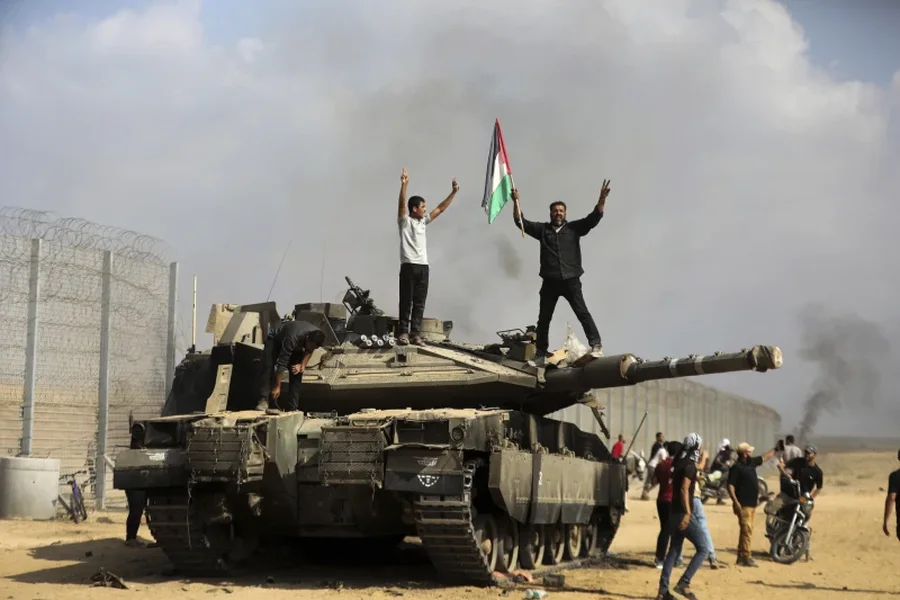
I lindur në vitet 1980, gjatë protestës palestineze të Intifadës së Parë, ajo e shpall Izraelin të papajtueshëm me një Republikë Islamike të Palestinës. Dhe Izraeli, si SHBA dhe BE, e konsiderojnë atë një organizatë terroriste. Hamasi gëzon miqësinë e një sponsori të madh politik si Turqia e Rexhep Erdoganit, e cila është përpjekur të detyrojë bllokadën izraelite rreth Rripit që nga viti 2010. Sipas inteligjencës izraelite dhe vetë Abu Mazen, megjithatë, sot Irani është mbi të gjitha miku i madh i Hamasit. Financimi direkt është rreth 6 milionë dollarë në muaj, i cili është rritur në 30 vitet e fundit. Një shumë e paguar nëpërmjet islamistëve të Hezbollahut që kontrollojnë Libanin jugor, Hezbollahu janë shiitë si ajatollahët e Teheranit dhe po luftojnë, si Hamasi, për shkatërrimin e Izraelit fqinj.
Pse Izraeli i frikësohet ndërhyrjes iraniane?
Sepse iranianët konsiderohen si armiku numër një. Për shkak të programit atomik, të rifilluar në vitin 2002, i cili sipas OKB-së ka edhe qëllime ushtarake dhe shkel Traktatin Ndërkombëtar të Mospërhapjes Bërthamore. Teherani financon gjithashtu Lëvizjen Xhihad në Palestinë, e cila është përgjegjëse për shumë sulme vetëvrasëse. Nga Irani, furnizime gjithnjë e më të sofistikuara të armëve kanë mbërritur në Gaza. Dhe frika është për raketat me rreze të gjatë që Hezbollahu ka në Liban: armët edhe më të frikshme se raketat në Gaza.
Çfarë ndodhi me negociatat e paqes?
They haven't been around for years. They now call peace impossible between Palestinians and Israelis. One of the longest conflicts in modern history. From 1946 to the present, the UN General Assembly has adopted 700 resolutions and the Security Council has voted on more than 100. The international community has considered at least 20 peace plans. But after 56 years of occupation of the Palestinian territories, we have now entered the fifteenth war between Arabs and Israelis in more than 70 years and any solution seems very distant./ Adapted " Pamphlet" from "Corriere Della Sera"


Lini një Përgjigje