


 Shkruar nga Jennifer Mathers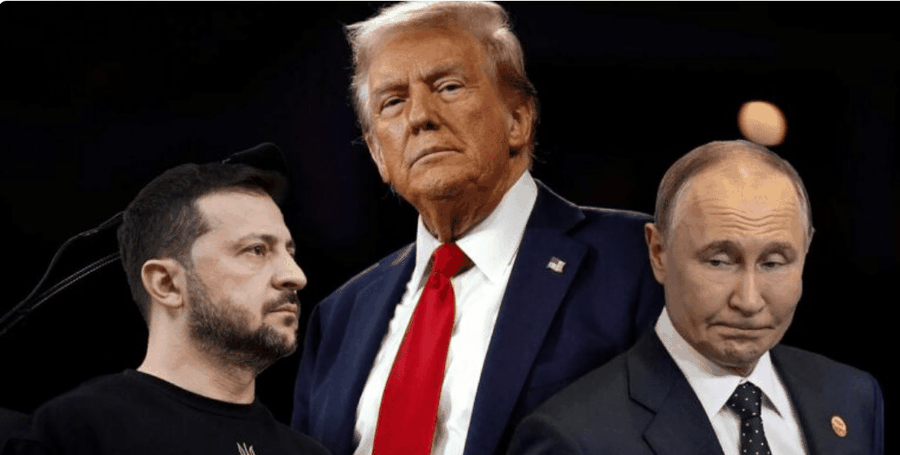
So while Russia places obstacles in the path of peace, Trump and his officials do nothing to remove them.
Ending Russia's war on Ukraine was one of Donald Trump's campaign promises. He even boasted that he could achieve it within 24 hours. But three months into his term, he has only managed to negotiate a partial ceasefire, which has done nothing to stop the fighting.
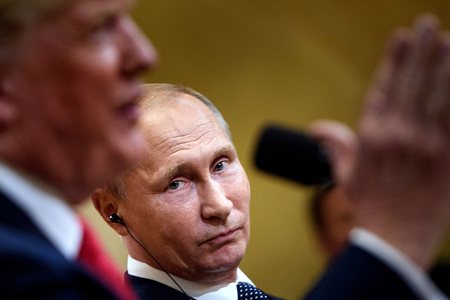
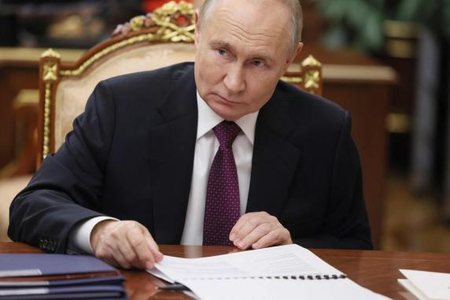
On April 13, Russia fired ballistic missiles at the city of Sumy in northeastern Ukraine, killing at least 35 civilians gathered to celebrate Palm Sunday and wounding over 100 others. The military strikes have continued despite numerous meetings between senior Russian and American officials, and direct phone calls between Trump and Putin.
So why is Trump failing? The main reason is that Russia is blocking progress. Moscow has created obstacles and is using delaying tactics. Trump's main initiative is his proposal for a 30-day general ceasefire, which would pave the way for broader peace negotiations.
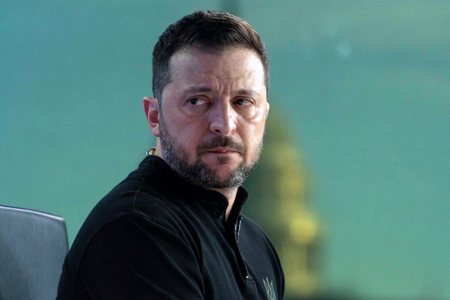
While Ukrainian President Volodymyr Zelensky readily agreed to the proposal in March, Putin did not. He even offered a counterproposal: a partial ceasefire that would stop attacks on energy infrastructure. Russia relies heavily on energy exports, especially oil, to finance the war.
For this reason, Ukraine has systematically targeted oil refineries and storage facilities, mainly using home-made drones. It is estimated that since the beginning of this year, Ukraine has destroyed 10 percent of Russian refining capacity.
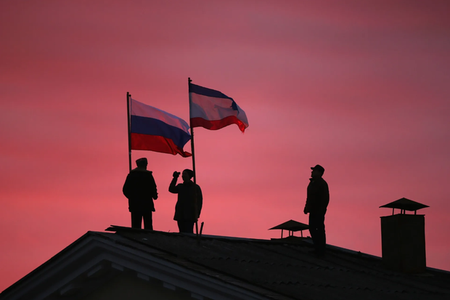
By narrowing the scope of the ceasefire, Putin was able to protect his country's energy production and continue attacking Ukraine. Moscow still has to fight to achieve its openly stated goal: control of all of Donetsk, Luhansk, Kherson and Zaporizhzhia, the four regions of Ukraine it claims to annex by 2022.
Another cunning tactic of Russia has been to use every opportunity to present a long list of demands for concessions from the Ukrainian side. These include giving up Kiev's claims to Ukrainian territory occupied by Russia, abandoning its goal of joining NATO, and significantly reducing its armed forces.
Russia also wants Ukraine to agree to a change of political leadership.
This tactic is important for two reasons. First, Russia’s demands make it clear that Moscow envisions the war as the first stage of a long-term plan to exert control over all of Ukraine, not just the annexed territories. And second, the repeated statement of Russia’s demands brings them into the public discourse.
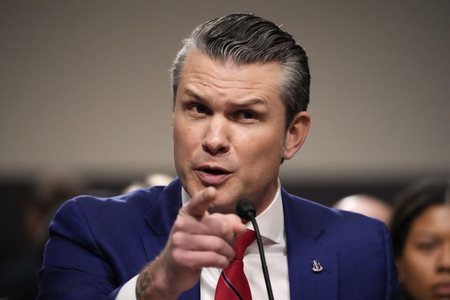
When journalists and especially American officials repeat them, as Trump's special envoy Steve Witkoff recently did, they gain a certain legitimacy. This creates the expectation that a peace deal will fit Moscow's agenda.
Moscow is also adept at deflecting attention from the end of the war. Sometimes Putin does this by flattering and caressing Trump’s ass. In an interview after his visit to Moscow last month, Witkoff avoided commenting on his failure to secure a promise from the Russians for a general ceasefire, and instead told a touching story that demonstrated Putin’s respect for Trump.
Putin reportedly told Witkoff that he went to church and prayed for Trump's recovery after he narrowly escaped assassination at the height of the campaign. He also gave Witkoff a portrait of Trump, painted by an artist known for his portraits of Putin himself.
Another effective diversionary tactic involves money. Russian officials present Americans with the prospect of lucrative deals involving trade and investment. This was the case for much of the first meeting between American and Russian officials in Saudi Arabia in February, even though the meeting was to discuss plans for peace.
Perhaps that is also the reason for Kirill Dmitriev’s visit to Washington in early April. Dmitriev, a figure close to Putin and head of Russia’s sovereign wealth fund, confirmed to reporters that his discussions included potential deals with the US involving rare earth metals, the exploitation of Arctic resources and the resumption of direct flights between the US and Russia.
So while Russia puts up obstacles to peace, Trump and his officials do nothing to remove them. This allows Moscow to continue the war without restrictions. Despite Trump's formal statements that he is "losing patience with Moscow," as well as his threats of secondary tariffs on countries that buy Russian oil, no measures have been implemented to put pressure on Moscow.
Instead, Trump has continued to justify Moscow. He described the attack on Sumy as a “mistake” and expressed admiration for Putin. This is in stark contrast to Trump’s relationship with Ukraine. Zelensky was publicly humiliated during a meeting with him in the Oval Office.
Trump and his team have shown far less interest in Ukraine’s security needs than in reaching a lucrative deal to extract the country’s natural resources. The prospect of the Trump administration negotiating a peace deal that would be acceptable to the Ukrainians seems remote.
And where does that leave the peace process? When the partial ceasefire agreement expires in a few days, Washington must decide whether to resume its efforts to secure a general ceasefire or pursue a new course.
Based on his track record to date, Trump could blame the Ukrainians for refusing to surrender to Russia's terms, abandon efforts to reach a negotiated resolution to the war, and engage directly in restoring normal relations with Russia. / Adapted from "Pamphlet" by "The Conversation"


Lini një Përgjigje