


 Shkruar nga Tim Ross & Giorgio Leali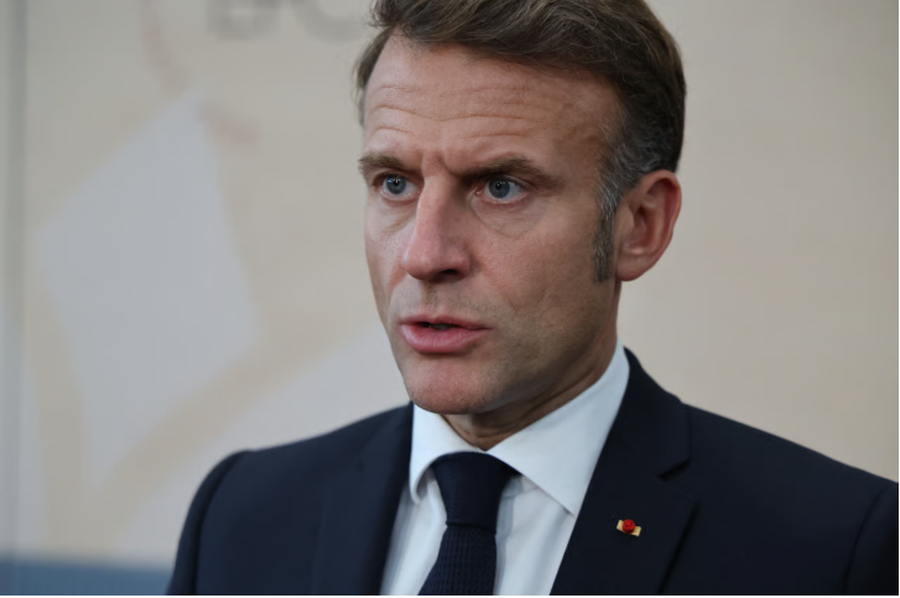
Investors and governments have no idea what President Emmanuel Macron will do to address France's budget deficit and political crisis. That uncertainty is scaring them…
Europe is already facing a toxic cocktail of Vladimir Putin's war in Ukraine, Donald Trump's assault on global trade and the rise of far-right populists across the region.
Then the French government collapsed again, this time after lasting less than a day in office, spooking markets with the prospect of new elections that could bring the far right closer to power than ever before.
In Brussels and other European capitals, officials and diplomats expressed private fears that President Emmanuel Macron's leadership on international issues like Ukraine and Gaza would be fatally weakened. Some worried that the entire eurozone economy could soon be at risk as a result.
“France is too big to fail, so this endless political instability puts the entire eurozone at risk,” said a diplomat from an EU country who, like others in this article, did not wish to be named to comment on the domestic situation of another country.
"It's the main topic in all the heated conversations today," he added.
France is the European Union's second-largest economy, a major player in the G7, the EU's sole nuclear power, and a permanent member of the UN Security Council. Equally important, under Macron, it has been a political force driving EU affairs, rivaled only by the might of Germany.
At the same time, Macron has tried to ward off the threat of the far-right National Rally, which consistently leads in opinion polls, while dealing with France's huge budget deficit.
But his governments have been unable to pass measures to rein in public spending through parliament. A prolonged political stalemate increasingly raises the possibility of new legislative elections before the end of the year, bringing additional months of uncertainty.
Some observers are now even considering Macron's early resignation as president. His term is expected to end in 2027.
Either outcome would open the door for Marine Le Pen's far-right National Rally party to score huge victories, potentially upending European politics and triggering a wave of instability. Among the main concerns raised by EU diplomats and officials in national capitals was the risk to the eurozone.
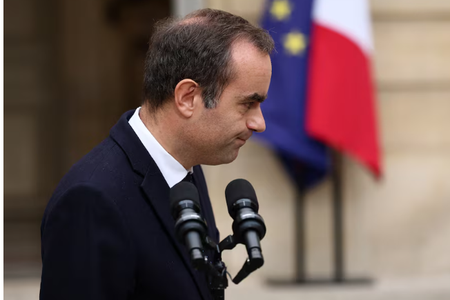
Të hënën, tregtarët në tregjet në Francë dhe më gjerë reaguan me alarm ndaj shpërbërjes dramatike të administratës 14-orëshe të Sébastien Lecornu. Aksionet dhe obligacionet qeveritare franceze ranë dhe vetë euro u dobësua kundrejt dollarit. Indeksi referues CAC 40 i Francës ra me 1.4 përqind.
“Tashmë ka shumë shqetësime rreth ekonomisë së eurozonës”, tha një zyrtar qeveritar nga një vend i eurozonës, duke shtuar “ne vërtet nuk kemi nevojë për këtë”.
Brenda vendit, zyrtarët francezë u përpoqën të minimizonin rreziqet. Njëri tha se pavarësisht “kompleksitetit”, ende ekziston “një pilot në kabinën e pilotit” në Ministrinë e Ekonomisë dhe se tregjet nuk duhet të reagojnë. Por, jo të gjithë janë të bindur.
“Përpjekjet e Presidentit Macron gjatë tetë viteve të fundit [kanë qenë të thonë] se Franca është vendi më tërheqës në Evropë për të investuar”, tha Grégoire Roos, drejtor i programit për Evropën dhe Rusinë në organizatën kërkimore Chatham House në Londër.
“Nuk shoh ndonjë investitor të rëndësishëm ndërkombëtar që të zgjedhë Francën për momentin, duke pasur parasysh mungesën absolute të qartësisë politike dhe gjithashtu të qartësisë fiskale”, shtoi Roos.
Në Bruksel, disa diplomatë të BE-së tashmë po shkruajnë privatisht nekrologjinë politike të Macronit. Duke u ngjitur në pushtet në vitin 2017 dhe duke thyer modelin e politikës franceze, thanë ata, ai tani duket një udhëheqës i dobët, ndikimi i të cilit në Bruksel po venitet me shpejtësi.
Një diplomat i dytë i BE-së foli për “trashëgiminë” e Macronit si një mendimtar i fuqishëm që kishte gjeneruar shumë ide për të nxitur ndryshime në Evropë dhe që kishte bindur udhëheqës të tjerë të përqafonin disa prej tyre. Koncepti i “autonomisë strategjike” duke e bërë BE-në më të vetëmjaftueshme ekonomikisht dhe në mbrojtje, lindi vite më parë në Paris, vuri në dukje diplomati.
Me Presidentin Trump që tani po e largon SHBA-në nga Evropa, kjo është një ide që ka ardhur në jetë në Bruksel. “Jo shumë udhëheqës janë të gatshëm dhe të aftë të mendojnë pesë apo edhe dy vjet përpara”, tha diplomati, duke shtuar “ai ishte shumë i mirë”
Sigurisht, Macron u zgjodh për të qenë në detyrë deri në vitin 2027 dhe pavarësisht spekulimeve që nuk kanë dhënë asnjë shenjë se ai do të japë dorëheqjen. Megjithatë, nëse ai qëndron, trazirat në Paris nënkuptojnë se ndikimi francez në debatet dhe zhvillimin e politikave të BE-së ka të ngjarë të zvogëlohet.
Diskutimet midis Ministrave të Financave mbi buxhetin e BE-së do të ishin shumë më të lehta për Francën për t'u formësuar, për shembull, nëse do të mund të dërgonte vazhdimisht të njëjtin ministër në takime me homologët e tyre në Bruksel, tha diplomati. Por ndryshimet e përsëritura të personelit në Paris e bëjnë shumë më të vështirë për qëndrimin francez që të mbizotërojë.
On the other hand, early elections could jeopardize the EU's next long-term budget. National governments discussing the budget had set an unofficial deadline to reach an agreement before the French elections in 2027, given the risk that Le Pen could politicize and ultimately derail the debate, the eurozone government official quoted above said.
Macron has been at the center of European efforts to support Ukraine and the continent itself against Russia, both by urging other leaders to do more to equip Europe with its own military capabilities and by coordinating with allies.
His joint initiative with UK Prime Minister Keir Starmer to assemble a “coalition of the willing” remains the only option when it comes to supporting any final peace deal in Ukraine. “It is not good for the EU if one of its largest member states is in turmoil, especially in the current security situation,” the same eurozone official said.
A muscular “Franco-German engine,” with powerful leaders working together in Paris and Berlin, is conventionally seen as essential to making the EU strong and efficient. Macron’s struggles make this much harder to achieve, even with a new leader in Germany, Friedrich Merz, who is seen in Brussels as much more dynamic than his predecessor.
A French official from the cabinet of a departing minister acknowledged the problem. “This leaves France missing out at a time when Russia is interfering in European territories, when China has an extraordinary industrial capacity and when Trump’s United States continues to do senseless things,” the person said.
"I think France's leadership will be lacking. It is impossible for France to deliver what France has to deliver under these conditions," he added.
Then there is the question of what, or who, comes next. If Macron triggers new elections, the French far right is likely to win, although the RN's share of the polls has remained broadly stable at around 30 to 32 percent since the 2024 legislative elections.
Europe's far right has been emboldened by Macron's struggles, even before the government's collapse on Monday. Le Pen, the godmother of the National Rally, celebrated the victory of right-wing populist Andrej Babiš in last weekend's election in the Czech Republic and used Monday's crisis to reiterate her calls for new elections.
Geert Wilders, the Dutch far-right veteran who won the most seats in the last Dutch election, had a warning for “all the old leaders,” including Macron, earlier this year: “Your time is up.” / Adapted from Politico /


Lini një Përgjigje