


 Shkruar nga Pamfleti
Russian President Vladimir Putin could be one of the biggest beneficiaries of the growing conflict in the Middle East, according to an analysis published by Politico.
According to the analysis, before the escalation of tensions between Iran, the United States and Israel, Russia was facing huge economic pressures due to the costs of the war in Ukraine. The Kremlin had to choose between reducing military spending or facing major economic difficulties.
However, the situation quickly changed after the attacks on Iranian oil facilities. Crude oil prices rose above $100 per barrel, the highest level since 2022, significantly boosting energy revenues – the main source of financing for the Russian economy.
According to energy experts, this price increase gives Moscow a windfall economic gain, at a time when energy revenues had fallen and the Russian economy was facing pressures from Western sanctions, high interest rates and labor shortages.
Analysts point out that if oil prices remain high for a long period, Russia could benefit significantly financially and more easily continue its military efforts in Ukraine.
However, experts warn that it is still too early to declare an economic victory for Moscow, as the real impact will depend on how long the crisis in the Middle East lasts and whether oil prices remain at high levels.
Just a few weeks ago, the mood among Russia’s economic elite was gloomy. The Russian Finance Ministry’s draft budget for this year assumed a base price of $59 per barrel for Urals crude, the country’s main export blend. But in January, energy revenues fell to their lowest level since 2020, adding to a disappointing tax burden.
As Western sanctions, high interest rates and labor shortages put pressure on the economy, tension between the finance ministry and the Central Bank over how to mitigate the damage became increasingly apparent.
“It wasn’t a collapse,” said Sergei Vakulenko, a senior fellow at the Carnegie Russia-Eurasia Center. “However, the government faced difficult choices, having to cut spending and raise taxes, and even consider some reduction in military spending.”
Vakulenko shtoi se përfundimi i luftës në Ukrainë nuk ishte kurrë në tryezë, por po bëhej e qartë se edhe në atë front, Rusia do të duhej të “kursente pak”. Pastaj Izraeli dhe Shtetet e Bashkuara sulmuan Iranin. Ndërsa Teherani u kundërpërgjigj dhe konflikti u përshkallëzua në një luftë rajonale, transporti detar përmes Ngushticës së Hormuzit është ndalur, duke bërë që çmimet e naftës të rriten ndjeshëm.
“Papritmas, Moska e mori këtë dhuratë”, tha Vladimir Milov, një ish-zëvendësministër i energjisë i shndërruar në kritik të Kremlinit në mërgim. “Ata e kishin shpëtimin e tyre”. Këto ditë, tha ai, zyrtarët rusë janë shumë, shumë të lumtur.
“Gabim strategjik”
Në vend që të shitet me zbritje për shkak të sanksioneve perëndimore, nafta bruto ruse tani mund të arrijë çmime premium, ndërsa blerësit e saj kryesorë – India dhe Kina – përpiqen të sigurojnë furnizime. Dhe tani ata do të kenë bekimin e Uashingtonit. Të premten e kaluar, Departamenti i Thesarit i SHBA-së lëshoi një përjashtim 30-ditor që i lejonte Indisë të blinte naftë bruto ruse për të lejuar që nafta të vazhdojë të rrjedhë në tregun global.
Një ditë më vonë, Sekretari i Thesarit, Scott Bessant, tha se Shtetet e Bashkuara mund të heqin sanksionet ndaj kompanive të tjera ruse të naftës, një përmbysje e ndjeshme e politikës së vitit të kaluar të ndëshkimit të vendeve për blerjen e energjisë ruse. Siç pritej, Kremlini po e shfrytëzon plotësisht këtë mundësi.
“Rusia ka qenë dhe vazhdon të jetë një furnizues i besueshëm i naftës dhe gazit”, u tha gazetarëve të premten zëdhënësi i Putinit, Dmitry Peskov, në një deklaratë që tingëllonte si një marketing, duke shtuar se kërkesa për produktet ruse të energjisë ishte rritur.
Ndërkohë, ndihmësi i Kremlinit, Kirill Dmitriev, u mburr në një seri postimesh në X se “cunami i shokut të naftës sapo ka filluar”, duke kritikuar vendimin e Evropës për t’u shkëputur nga energjia ruse si një “gabim strategjik”.
Ekspertët e energjisë paralajmërojnë se është shumë herët që Moska të shpallë fitoren. Nëse kriza e Iranit do të jetë një ilaç për ekonominë e Rusisë varet drejtpërdrejt nga sa do të zgjasë.
Milov, një ish-zëvendësministër i energjisë, tha se për të bërë një ndryshim të rëndësishëm në ekonominë e Rusisë, çmimet e naftës do të duhet të mbeten në nivelet aktuale për rreth një vit. “Një ose dy muaj me çmime të larta sigurisht që do ta ndihmojnë, por nuk do ta shpëtojnë”, tha ai.
A short-term price hike “will only help postpone difficult decisions,” added Vakulenko, an analyst at the Carnegie Russia Eurasia Center. There is another reason Moscow hopes the war will continue: With each day of fighting, the United States is depleting the stockpiles of weapons that Ukraine relies on for defense.
According to media reports, Russia is providing Iran with information to help it target American ships and warplanes. The killing of Iran’s leader, Ali Khamenei, in a joint US-Israeli air strike may have dented Russia’s promise to defend its allies, but Putin may ultimately decide it was a price worth paying.

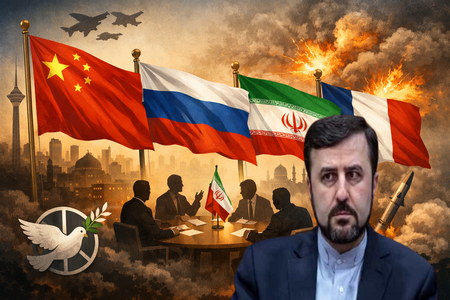


Ky Putani e ka fituar betejen me Perendimin qe kur iu shtrua qylymi kuq ne Alaska.