


 Shkruar nga Pamfleti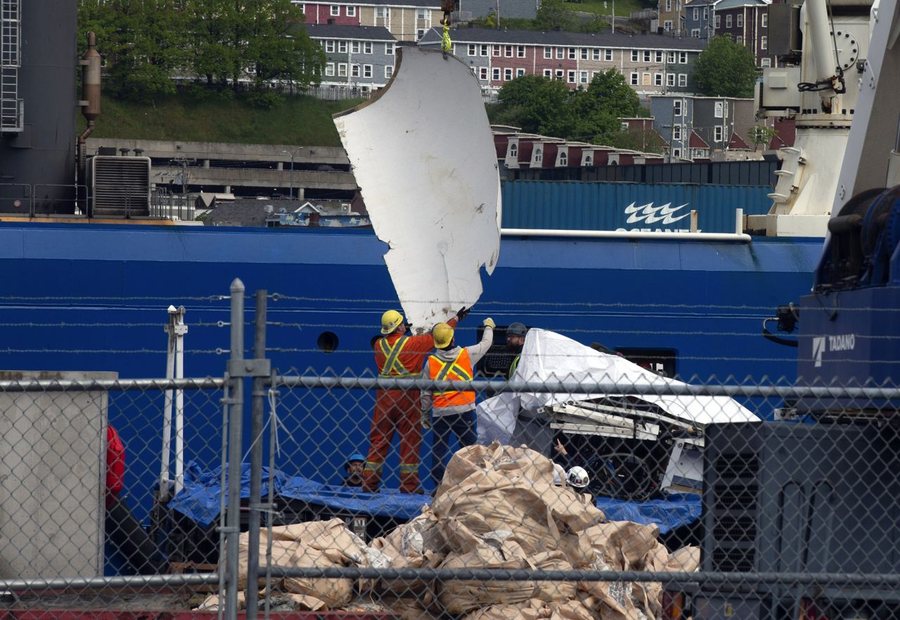
A detailed report by the U.S. Coast Guard’s Marine Investigation Board, released Tuesday, has highlighted a series of technical, managerial and regulatory failures that led to the catastrophic explosion of OceanGate’s Titan submarine on June 18, 2023, which killed five people, including CEO Stockton Rush. The 335-page report, based on public hearings held in September 2024, identifies poor design, inadequate maintenance and a “toxic safety culture” as key factors in the tragedy.
Submarine Hull Problems : The report notes that the Titan’s carbon fiber hull suffered severe damage during previous dives, including an incident in July 2022 when the sub ran aground on the wreck of the Titanic and heard a “loud explosion” during ascent. A 4-meter crack discovered in 2019 was ignored, and the sub’s improper storage in an outdoor parking lot in Canada during the winter of 2022-2023 exposed it to extreme conditions, weakening its structural integrity. Inadequate design processes and a lack of proper testing for carbon fiber, an unproven material for deep-sea diving, directly contributed to the explosion at 10,900 meters, where the 4,930 PSI pressure caused the passengers to die instantly.
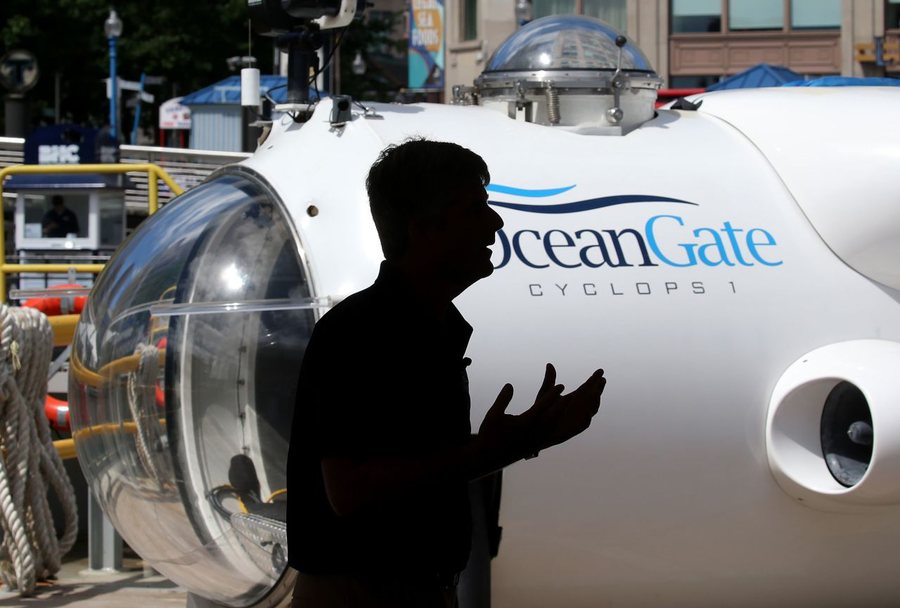
Toxic Company Culture : The report sharply criticizes OceanGate’s internal culture, describing it as “toxic” and dominated by CEO Stockton Rush, who made all engineering and operational decisions without consulting the board or engineers. Rush fired employees who raised safety concerns, including a director of marine operations in 2018 and a director of engineering in 2019, after objections to serious defects. He also ignored safety protocols, inflated figures to create a false image of Titan’s reliability, and prioritized marketing over safety.
Financial Pressure and Risky Decisions : OceanGate's financial pressures led to risky decisions, such as forgoing employee salaries, relying on unqualified contractors, and using text communications instead of voice communications. The position of director of safety was never filled, and Rush ignored the need for regular inspections. "Mission specialists," passengers who paid up to $250,000, were forced to sign liability waivers that mentioned death nine times, often without adequate training.
Lack of Regulatory Oversight: OceanGate evaded regulatory oversight by exploiting legal confusion and using scare tactics. A 2018 whistleblower complaint about safety concerns was ignored by the Occupational Safety and Health Administration (OSHA), a missed opportunity for intervention. The report calls for new federal regulations for submarines, including uniform construction standards and enhanced communications capabilities.
Full US Coast Guard report document:








Lini një Përgjigje