


 Shkruar nga Pamfleti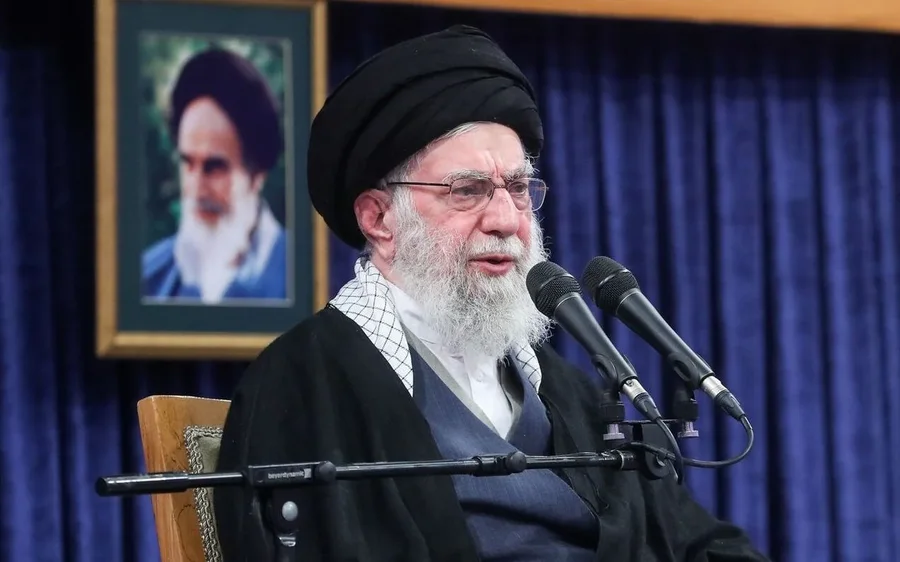
Every barrel of oil that the mullahs sell turns into a bullet that kills those who seek freedom and democracy...
Maryam Rajavi, leader of the People's Mojahedin Organization of Iran (PMOI/MEK) and president-elect of the National Council of Resistance of Iran (NCRI), argues in this article that the ruling clerical regime in Iran has reached a historic impasse and that its fall is inevitable.
After 47 years of dictatorship, corruption, and bloodshed, she emphasizes that the regime is no longer capable of meeting even the most basic needs of the Iranian people, while society itself is no longer willing to tolerate the status quo.
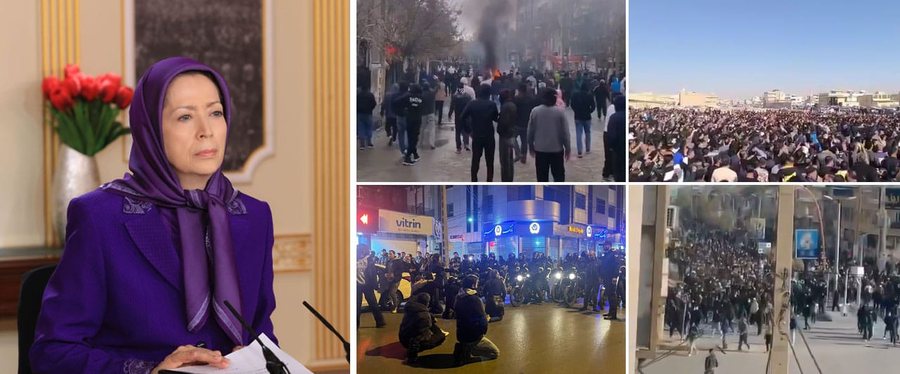
Rajavi points to the protests that erupted in Tehran’s bazaar in the final days of 2025 and quickly spread to dozens of cities as evidence of nationwide anger. These demonstrations, she said, reflect the frustration of Iran’s 92 million citizens, whose purchasing power has been eroded by state-imposed price hikes, rampant inflation, and the plundering of national wealth to fund the Islamic Revolutionary Guard Corps (IRGC).
She describes Supreme Leader Ali Khamenei’s response to the protests as further evidence of the regime’s addiction to violence: the use of live ammunition against demonstrators and the appointment of Brigadier General Ahmad Vahidi, linked to the 1994 AMIA bombing in Argentina and subject to an international arrest warrant, as deputy commander-in-chief of the IRGC. For Rajavi, such actions show that the regime sees survival only through repression, terrorism, regional aggression, and the pursuit of nuclear weapons.
Rajavi emphasizes that Iranians are rejecting both religious and monarchical dictatorships, chanting slogans such as “Death to the dictator,” “This is the year of blood, Seyyed Ali will be overthrown,” and “Death to the oppressor, whether Shah or Leader,” and demanding popular sovereignty. She argues that four decades of Western appeasement have proven that reform from within the regime is an illusion, while foreign military intervention is neither necessary nor legitimate. The only lasting solution, she insists, lies in the uprising of the Iranian people and organized resistance.
Writing in The Telegraph
Both Iranian society and the ruling regime are rushing, with unprecedented speed, towards a new situation. The regime, due to 47 years of dictatorship, corruption and bloodshed, has reached an impasse. It has no choice, is unable to address the most basic needs of the Iranian people, and the people are no longer willing to tolerate this situation.
Kryengritja dhe protestat që filluan në pazarin e Teheranit në ditët e fundit të vitit 2025 dhe që u përhapën me shpejtësi në dhjetëra qytete pasqyrojnë zemërimin e 92 milionë iranianëve. Ata janë të rraskapitur nga rënia e vazhdueshme e fuqisë së tyre blerëse, e nxitur nga rritjet e çmimeve të projektuara nga shteti dhe plaçkitja e pasurisë kombëtare për të financuar Gardën Revolucionare.
Regjimi u përpoq, por dështoi qartë, të parandalonte shfaqjen e një kryengritjeje tjetër duke intensifikuar represionin. Sipas Këshillit Kombëtar të Rezistencës së Iranit, në vitin 2025 pati 2200 ekzekutime, midis tyre të burgosur politikë.
Përgjigja e Ali Khameneit ndaj protestave të fundit ka qenë përdorimi i armëve të zjarrit kundër demonstruesve në disa qytete. Ai gjithashtu emëroi Gjeneral Brigade Ahmad Vahidi, komandantin e parë të Forcës terroriste Quds, si zëvendëskomandant të përgjithshëm të Korpusit të Gardës Revolucionare Islamike (IRGC). Vahidi, i cili është subjekt i një urdhër-arresti ndërkombëtar, dyshohet se ishte një nga ata që janë përgjegjës për sulmin më të keq terrorist në historinë e Argjentinës, bombardimin e qendrës së komunitetit hebraik AMIA në Buenos Aires në korrik 1994. Mizoria la 85 persona të vdekur.
Këto veprime bëjnë të qartë se Khamenei sheh si rrugën e vetme të mbijetesës së regjimit, represionin, terrorizmin, luftënxitjen dhe përpjekjen për ndërtimin e bombës bërthamore. Megjithatë, pavarësisht çdo ulje-ngritjeje, protestat do të vazhdojnë.
Për shkak të plaçkitjes së burimeve kombëtare, ose shpërdorimit të tyre në programe bërthamore dhe raketore, Teherani, me një popullsi prej rreth 10 milionë banorësh, së bashku me shumë qytete të tjera, përballet sot me mungesa të mëdha uji, energjie elektrike dhe gazi. Statistikat zyrtare e çojnë inflacionin vjetor afër 43 përqind, por inflacioni për mallrat thelbësore ka tejkaluar 100 përqind .
Rënia e monedhës kombëtare, rialit, duket e pandalshme. Vetëm gjatë vitit të kaluar, ajo ka humbur rreth 70 përqind të vlerës së saj. Edhe pse regjimi ende arrin të shesë naftë iraniane, ai po shembet për shkak të deficiteve buxhetore. Varfëria ekstreme, së bashku me 60,000 vdekje në vit për shkak të ndotjes së ajrit, e kanë çuar pakënaqësinë publike në prag të shpërthimit.
Rënia e diktaturës së Asadit në Siri dhe goditjet shkatërruese ndaj përfaqësuesve të Khameneit në të gjithë rajonin e kanë lënë regjimin pa mbështetje, të pambrojtur kundër përmbysjes nga populli iranian.
Baza sociale e regjimit është zhdukur, siç pasqyrohet në rezultatet e zgjedhjeve të fundit të rreme. Dhe 92 përqind e iranianëve janë të pakënaqur me kushtet në vend, sipas një sondazhi të kohëve të fundit të kryer në emër të vetë regjimit.
Iran has reached an extraordinary juncture. There is no way for the clerical regime to return to its previous state and equilibrium or to escape uprising and overthrow. The resistance network, especially the “Resistance Units,” is expanding across the provinces, and the younger generation is joining the movement in ever greater numbers. Eighteen political prisoners are currently awaiting execution on charges of membership in the “People’s Mojahedin of Iran” group, which I lead.
Protesters in the streets are chanting: "Death to the dictator," "This is the year of blood - Seyyid Ali will be overthrown," and "Death to the oppressor, be it the Shah or the Leader." The people of Iran are rejecting both monarchical and religious dictatorships. They demand a future based on the sovereign will of the people.
Four decades of Western efforts to encourage reform within the regime have proven that expecting change from within is an illusion. Those who, out of commercial or diplomatic interests, trumpet calm in the face of religious tyranny have clearly failed.
At the same time, it is equally clear that foreign war is not the solution, and those who pinned their hopes on foreign military intervention have been discredited. The real solution lies in organized resistance and popular uprising. There is no need for foreign military intervention or financial and armed assistance. Regime change is solely the responsibility of the Iranian people.
The National Council of Resistance of Iran (NCRI) is committed to the transfer of power to elected representatives of the people within a maximum of 6 months after the overthrow of the regime. This would be done through elections for a Constituent Assembly, which would draft a new constitution and oversee an interim government. The NCRI supports the separation of religion from the state, equal rights for women, autonomy for Iranian Kurdistan, and the abolition of the death penalty.
In previous uprisings, the West simply watched, which benefited the regime more. This time, it must stand with the people of Iran and clearly recognize the right of the people and the organized resistance to confront the crimes of the IRGC and overthrow the regime. Every barrel of oil the mullahs sell becomes a bullet that kills those who demand freedom and democracy in the streets. Do not allow the oil sales to continue.
The IRGC is now shooting at Iranian youth in the streets. Europe should delay no longer in placing the IRGC on the list of terrorist organizations.


Lini një Përgjigje