


 Shkruar nga Juliette McIntyre & Tamsin Phillipa Paige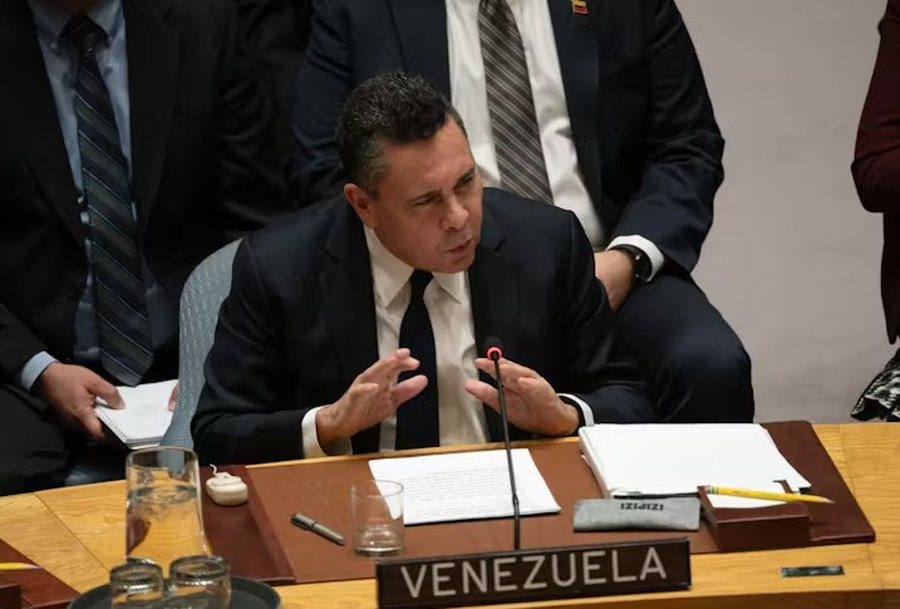
From the invasion of Ukraine and the humanitarian catastrophe in Gaza to tensions in Venezuela, the challenges of recent years have called into question the ability of the UN to fulfill its fundamental mission: maintaining international peace and security. 80 years after its founding, the United Nations faces a crisis of credibility, with vetoes from major powers paralyzing the Security Council, and the world wondering whether the organization can survive as a guarantor of global peace...
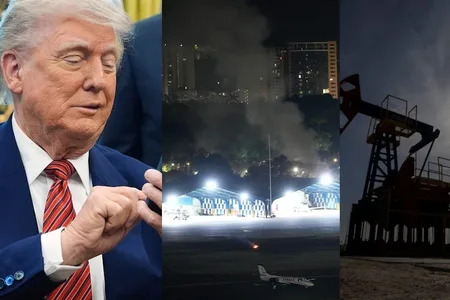
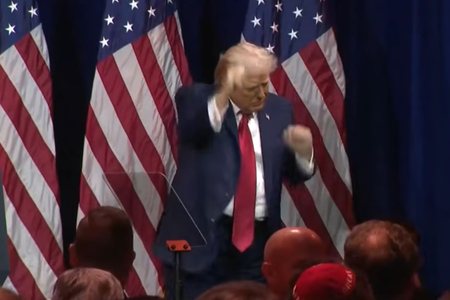
The United Nations celebrated its 80th anniversary last October, a respectable age for the most important international organization the world has ever known. But the events of recent years — from Trump’s military action to seize Venezuelan President Nicolas Maduro, to Russia’s illegal invasion of Ukraine in 2022, to the ongoing humanitarian catastrophe in Gaza — have seriously tested the UN system.
Today, many people ask: does this organization still have a future if it is unable to fulfill its fundamental mission of maintaining international peace and security? The UN's main peacekeeping institution is the Security Council. According to the UN Charter, the use of force is legal only in 2 cases: when authorized by a Security Council resolution (Article 42), or when a state acts in self-defense after an armed attack (Article 51).
Even then, self-defense is only valid until the Council intervenes to restore peace.
The Power of Veto: The Weapon of the Big 5
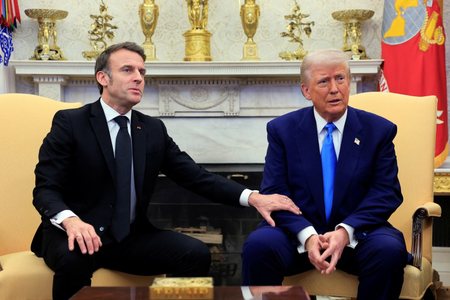
The Security Council has 15 members: 5 permanent (China, France, Russia, the United Kingdom and the United States - also known as the P5) and 10 non-permanent, elected for two-year terms. Any decision requires at least 9 votes in favour and no vetoes from the P5, giving these 5 powers complete control over the Council's actions.
This mechanism, created to avoid clashes with the great powers after World War II, works only when the P5 agree to play by the rules. As the Russians and Americans have shown in recent years, the veto can paralyze the Security Council, despite flagrant violations of international law.
For this reason, the veto is often criticized as a mechanism. However, its use for narrow national interests, however politically unacceptable, is not legally prohibited. The UN Charter does not place restrictions on the veto, nor does it provide for any judicial mechanism to control it.
This is one of the biggest - and intentional - flaws of the current system. In fact, the UN Charter places the P5 above the law. It not only gives them the right to block any collective action, but also any attempt at reform.
Theoretically, Articles 108 and 109 allow for changes, but in practice this is impossible. Dissolving the UN and rebuilding it with a new charter would be the only alternative, but it requires a level of global cooperation that does not exist today. And the P5 would likely block any kind of reform that removes their veto power.
The UN between failure and necessity
It seems that we are witnessing in real time the collapse of the international peace and security system led by the UN. The Security Council cannot act when the aggressors are the P5 countries themselves.
But if we focus only on the Security Council, we risk ignoring the rest of the UN's work, which often takes place away from the public eye. The Secretariat supports peacekeeping and political missions, organizes conferences and negotiations.
The Human Rights Council monitors rights violations. Meanwhile, UN agencies coordinate humanitarian aid, provide support for health, climate, development and other areas where no state can act alone.
So the harsh truth is this: today we have only two choices - a deeply flawed global institution, or none at all. The future of the UN may simply be one of hard survival, preserving what still works, until political conditions change.
We support it not because it is perfect, but because its absence would be far more dangerous. Should we aim for a fairer system, where great powers are not rewarded for irresponsibility? Without a doubt, yes.
But we should not dismiss all the good work the UN does beyond the doors of the Security Council, despite the hypocrisy and cynicism of its 5 permanent members./ Adapted from "Pamphlet" From "The Conversation"



Lini një Përgjigje