


 Shkruar nga Pamfleti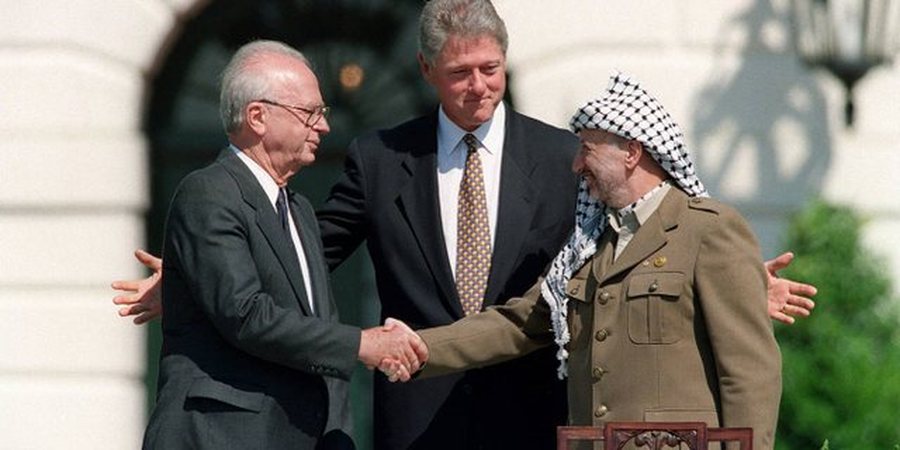
Politicians in America, Europe and Israel began to convince themselves that the Palestinian issue could be forgotten as more Arab countries began to establish formal diplomatic relations with Israel.
Is there any chance of peace between Israel and the Palestinians, or should we simply get used to periodic wars that deny both sides the peace and stability they seek? The meeting between US President Joe Biden and Chinese President Xi Jinping in San Francisco was significantly more qualitative compared to last year's meeting in Bali, Indonesia.
The two leaders noted progress on achievable objectives, including the resumption of communications at the level of military officials as well as joint efforts to address the crisis caused by the dangerous drug fentanyl. It's easy to be pessimistic.
The region's history is littered with failed peace plans, botched diplomatic conferences, and brokers who were ultimately disappointed. It seems that everything has been tried, and nothing has worked. Everyone is always blaming everyone but themselves.
To give up diplomacy, however, is to accept the unacceptable: endless war. This is why, even amid the horrors of the recent Gaza war, the discussion of a two-state solution remains alive, and has even grown louder.
At his press conference on November 3 in Tel Aviv, US Secretary of State Antony Blinken went further in outlining a lasting solution than any other US official has done in a very long time. A two-state solution, he said, is “the only guarantee of a secure, Jewish and democratic Israel; the sole guarantor of Palestinians realizing their legitimate right to live in a state of their own, living under equal measures of security, freedom, opportunity and dignity; the only way to end once and for all a cycle of violence”.
Blinken is right. Ensuring an "equal measure of security, freedom, opportunity and dignity" for all between the Jordan River and the Mediterranean is the only final solution. European leaders acknowledged this reality in 1980 with the Venice Declaration.
The nine members of the European Community (at the time) declared that "the Palestinian people, who are aware of their existence as such, must be placed in a position, through an appropriate process established within the framework of a comprehensive peace settlement, that to fully exercise his right to self-determination.” At that time, Arab governments had given up trying to eradicate the state of Israel. After their failure in the 1973 Yom Kippur War, they agreed to make peace with it. But as the Venice Declaration acknowledged, true regional peace would not be possible until the Palestinian issue was resolved.
In the early 1990s, the Oslo Accords showed what was possible. Palestine Liberation Organization Chairman Yasser Arafat (a former terrorist) and Israeli Prime Minister Yitzhak Rabin (a former general) shook hands on the White House lawn. The path to a two-state solution was set, although crucial details remain to be determined. But in the end the Oslo Process failed, because of the simmering opposition between Israelis and Palestinians. The earlier optimism gave way to Palestinian terrorism and illegal Israeli settlements, and has been in steady decline ever since. While successive US administrations have made repeated efforts to revive the peace process, none have made it a top priority. By October 7, the Biden administration had put the matter on the back burner, hoping the region would remain calm while the US focused on other issues.
For its part, the European Union has long had a forward-looking commitment to the Middle East peace process. It even issued a detailed statement in December 2009, calling for "a 2-state solution, with the State of Israel and the independent, democratic and stable State of Palestine living side by side in peace and security.
"
But even Europe's interest in this issue faded over time. Although there were various reasons for this, Israeli Prime Minister Binyamin Netanyahu's continued efforts to make serious peace talks impossible certainly played an important role.
Furthermore, politicians in America, Europe and Israel began to convince themselves that the Palestinian issue could be forgotten as more Arab countries began to establish formal diplomatic relations with Israel. "If the Arab world no longer worries about the Palestinians, then why should we?" they thought.
Tani që ‘moçalishtja’ politike dhe katastrofa humanitare në Gaza, e kanë rikthyer në plan të parë këtë çështje, është e qartë se s’mund të ketë fund të krizës pa disa hapa vendimtarë drejt një zgjidhjeje me dy shtete. Por ne nuk duhet të kemi asnjë iluzion. Pengesat përpara janë shumë të mëdha. Ndër ato që janë më shqetësuese, është rritja e dukshme e mbështetjes për dhunën në radhët e palestinezëve, të cilët janë frustruar deri në pikën e dëshpërimit. Por Hamasi nuk është e vetmja organizatë që e sheh terrorin si rrugën më të mirë që duhet ndjekur.
Autoriteti Palestinez e ka humbur kontrollin e disa zonave edhe në Bregun Perëndimor, zonë ku supozohet të garantojë siguri dhe rend. Një pengesë tjetër madhore është përfshirja e kolonëve fundamentalistë hebrenj brenda qeverisë izraelite aktuale.
Aktualisht rreth 700.000 hebrenj po jetojnë në vendbanime të paligjshme, të cilat janë të shpërndara në të gjithë territorin, që supozohet se i përket një shteti të ardhshëm palestinez. Shumë prej këtyre kolonëve janë të armatosur, dhe që nga 7 tetori ata kanë detyruar përmes dhunës qindra palestinezë që të largohen nga shtëpitë e tyre.
Madje disa prej tyre thonë hapur se ëndërrojnë të rrënojnë Kupolën e Shkëmbit dhe Xhaminë Al-Aksa në Jerusalem, në mënyrë që të mund të rindërtojnë atje tempullin biblik (i cili u shkatërrua nga babilonasit në 587 para Krishtit, dhe përsëri nga Romakët në 70 Pas Krishtit).
Ekstremistët nga të dyja palët duan të kontrollojnë të gjithë territoret midis lumit dhe detit, dhe synojnë ta arrijnë këtë me çdo mjet të nevojshëm. Nëse secili prej tyre lejohet të fitojë akoma më shumë terren, kjo luftë do të bëhet edhe më vdekjeprurëse se sa është tashmë.
Pra çelësi qëndron tek përdorimi i perspektivës së ripërtërirë të një zgjidhjeje të konfliktit përmes krijimit të 2 shteteve, për të nxitur forcat e moderuara nga të dyja anët - dhe për ta bërë këtë shpejt, përpara se edhe më shumë njerëz t'i nënshtrohen fatalizmit ose dëshpërimit.
Por rifillimi i negociatave nuk do të ndodhë pa një angazhim të fortë dhe të qëndrueshëm ndërkombëtar nga ana e SHBA-së, BE-së dhe shteteve të tjera arabe. Me Rusinë të zënë me luftën e saj kundër Ukrainës, komunitetit ndërkombëtar do t’i duhet një format i ri për të zëvendësuar Kuartetin e mëparshëm të Lindjes së Mesme (BE, SHBA, Kombet e Bashkuara dhe Rusia).
Megjithëse zgjedhjet e ardhshme presidenciale në SHBA dhe gjetkë, mund ta largojnë vëmendjen vitin e ardhshëm, çështja duhet të bëhet një prioritet kryesor. Ne s’duhet të heqim asnjëherë dorë nga diplomacia. Tani sapo na është kujtuar se si duket alternativa.
Note: Carl Bildt, Prime Minister of Sweden 1991-1994 and Foreign Minister 2006-2014. He has also served as EU Special Envoy to the former Yugoslavia, High Representative for Bosnia and Herzegovina, Envoy UN special envoy for the Balkans and co-chairman of the Dayton Peace Conference. /Taken from “Project Syndicate”




Lini një Përgjigje