


 Shkruar nga Pamfleti
The Kremlin does not aim for global dominance, but rather destabilizing the existing order to maintain power and influence.
While Vladimir Putin sees Russia as a great power and a civilizational counterweight to Western liberalism, he has no clear plan for rebuilding the world, much less the capacity to do so. Because of this weakness, the Kremlin focuses not on domination but on destabilization.
Four years after Russia’s full-scale invasion of Ukraine, Western observers still don’t understand the Kremlin’s strategy. Some believe it doesn’t exist and that Russia’s behavior is completely irrational and unpredictable. Others argue the opposite: that Russia is implementing a well-structured long-term vision of revenge, where territorial claims against Ukraine are just the first step. Both of these explanations are wrong.
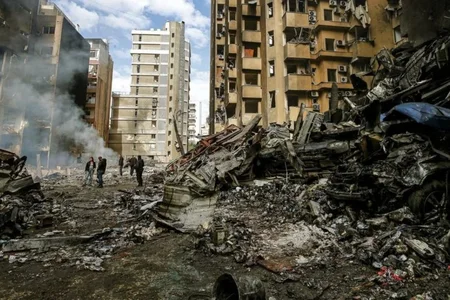
Russia did not launch its brutal war against Ukraine and shake up the European security architecture by accident, and Russian President Vladimir Putin’s portrayal of the war as a clash of civilizations, an existential struggle against a West bent on Russia’s destruction, is not mere rhetoric. But it is not evidence of a full-blown imperial ideology or a comprehensive plan for global transformation.
Putin sees Russia as a great power and a counterweight to Western liberalism, but he has neither a coherent strategy for rebuilding the world order nor the capacity to do so. This weakness shapes Russia’s choices. Since Russia is not as powerful as the coalition it faces, it focuses on destabilization rather than dominance.
The resulting “strategy” is neither entirely random nor comprehensively thought out, but unstable and escalating. It also reflects a hierarchy of priorities that the West does not seem to fully understand. Putin’s top priority, the prism through which all foreign policy decisions are made, has always been regime continuity and sovereign control, which depend above all on elite unity and internal stability.
The second priority is to maintain Russia’s control over its neighborhood, particularly by preventing NATO and the European Union from expanding into this area. To that end, it is willing to use massive force and bear extraordinary costs, including economic contraction, international isolation, and a large number of casualties. It is no coincidence that Putin attacked Ukraine after the country made clear its intention to deepen ties with the West. More than territory, the Kremlin aims to control the strategic orientation of the countries it still considers part of its sphere of influence.
Parandalimi i konsolidimit të një rendi global “armiqësor” ndaj Rusisë është prioriteti i tretë. Rusia nuk ka peshën ekonomike, aleancat dhe tërheqjen ideologjike për të ndërtuar një sistem alternativ. Ajo gjithashtu nuk mund të imponojë një rend të ri përmes forcës. Por si një fuqi bërthamore me burime të mëdha energjetike dhe një tolerancë të lartë ndaj rrezikut, ajo mund të veprojë si një faktor pengues, duke përdorur taktika hibride që janë më të lira dhe më të shkallëzueshme se lufta konvencionale.
Në Evropë, kjo do të thotë jo pushtim, por sulme që synojnë kohezionin e brendshëm të vendeve. Presioni energjetik, operacionet kibernetike dhe mbështetja për politikanë përçarës dhe pro-rusë shërbejnë të njëjtit qëllim në Bashkimin Evropian si bombat në Ukrainë: ndërlikojnë orientimin strategjik, nxisin fragmentimin dhe pengojnë reagimet e koordinuara.
Në raport me Shtetet e Bashkuara, Rusia thekson përshkallëzimin e kontrolluar. Sinjalizimi bërthamor dhe diplomacia për kontrollin e armëve janë mjete për të detyruar njohjen e Rusisë si një aktor i domosdoshëm dhe fuqi e madhe, jo për prestigj, por për të shmangur margjinalizimin. Objektivi është rëndësia e negociuar, jo integrimi në një rend të udhëhequr nga Perëndimi.
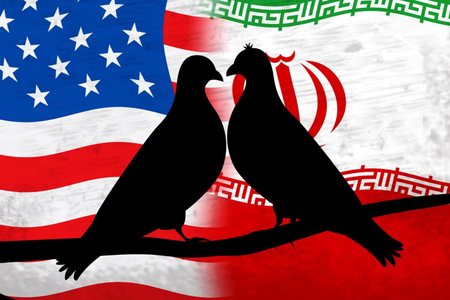
Në Lindjen e Mesme dhe në disa pjesë të Afrikës, aktivitetet e Rusisë formësohen kryesisht nga oportunizmi. Ndërhyrja në Siri rriti profilin rajonal të Rusisë me kosto të kufizuar. Një partneritet transaksional me Iranin forcon aftësinë e këtij të fundit për të sfiduar dominimin perëndimor, duke i sjellë përfitime indirekte Rusisë, pa përjashtuar konkurrencën për ndikim rajonal. Për Putinin, objektivi nuk është formësimi i rendit rajonal, por zgjerimi i pranisë së Rusisë me kosto të ulët, duke ruajtur fleksibilitetin.
Në këtë këndvështrim, sjellja e Rusisë reflekton po aq përmbajtje sa edhe ambicie. Putin përshkallëzon kur interesat thelbësore të Rusisë janë në rrezik dhe vepron në mënyrë transaksionale kur nuk janë. Dëmi reputacional, në funksion të vazhdimësisë së regjimit dhe thellësisë strategjike, është një çmim i pranueshëm. Investimi në fragmentim krijon mundësi të reja për të shfrytëzuar ndikimin rus.
Dështimi i Perëndimit për të kuptuar saktë synimet e Kremlinit çon në gabime politike, përfshirë mungesën e përgatitjes për përshkallëzim, fokusin e tepruar në frenimin e zgjerimit territorial dhe besimin e gabuar te sanksionet. Kur regjimi e bazon legjitimitetin pjesërisht në pretendimin se forcat e jashtme synojnë të shkatërrojnë qytetërimin rus, presioni ekonomik nga këto forca e forcon këtë narrativë.
Në këtë kuptim, sanksionet mund të mbështesin qëllimin kryesor të Putinit për ruajtjen e regjimit. Në mënyrë të ngjashme, ideja e “rifillimeve” diplomatike vazhdon të shfaqet, sepse tensionet shpesh keqinterpretohen si probleme stili dhe jo si përplasje objektivash strategjikë.
The implications extend beyond Europe and North America. For middle powers and emerging economies, building resilience, including through cooperation, is essential. Russia’s quest for influence creates opportunities for transactional engagement. Where its interests are instrumental rather than existential, countries can limit Russian influence and sometimes benefit.
However, engagement with Russia also carries risks. Fragmented systems are more easily penetrated. Polarized societies are more vulnerable to pressure. Fragile institutions are more easily thwarted. Russia is aware of this and has shown a knack for disrupting coordination, fomenting disunity, and exploiting institutional weaknesses to advance its interests.
Russia cannot build a coherent alternative world order, but it can weaken the cohesion of the existing order. For this reason, world leaders must prepare for continued destabilization, strengthening stability, cooperation, and the protection of contested sovereign orientations. /Adapted from The Spectator /



Lini një Përgjigje