


 Shkruar nga Pamfleti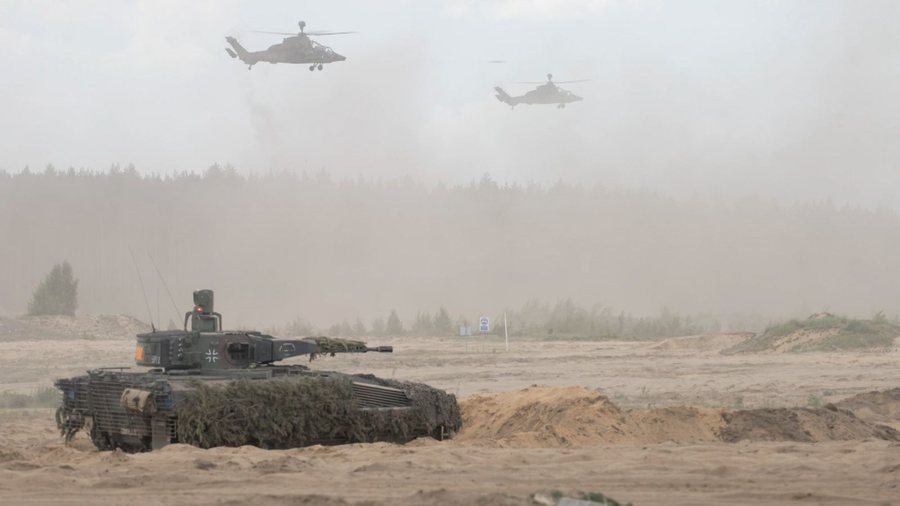
About 90,000 troops from 32 member states have participated in the exercise...
Leopard 2 tanks fire with a deafening thud, while Puma combat vehicles add to the eerie chorus, accompanied by the sound of helicopter blades.
The firepower on display is the culmination of the alliance's biggest military exercise since the Cold War, led by the Germans and taking place a few miles from the Lithuanian border with Belarus.
The aim is to show how NATO can defend Europe's eastern flank from invasion, provide security for allies and send a warning to Russian President Vladimir Putin.
"Today's exercise sends a clear message, a warning message to Russia," said General Carsten Breuer, Germany's defense chief.
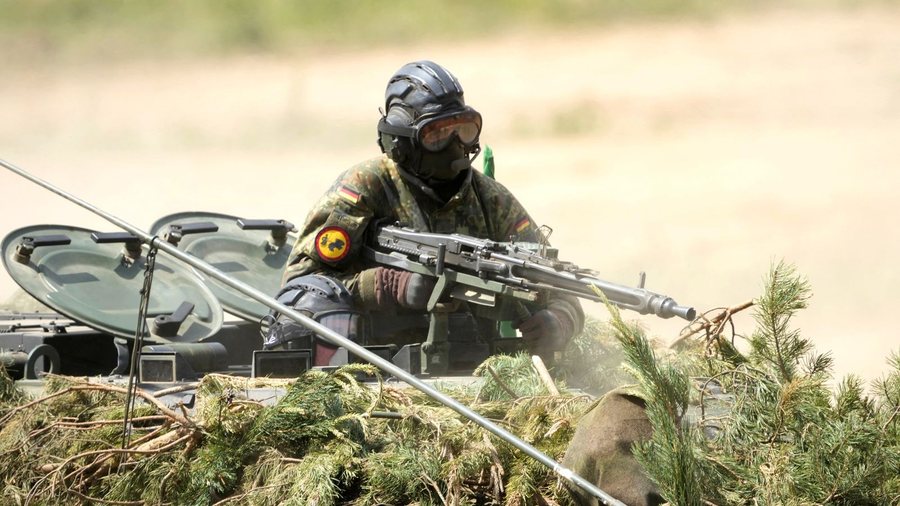
About 90,000 troops from 32 member states have taken part in the exercise, as part of the 'Steadfast Defender' exercise, over the past six months on land, sea and in the air.
And while Ukraine is the real battlefield, war simulations on the eastern flank have added significance. This is NATO's first line if the war in Ukraine were to end.
The Baltic states, including Lithuania, say Russia is their biggest security threat. This is why Germany will permanently station 5,000 troops in the area in the coming years.
It's a welcome setback, according to Colonel Rimantas Jarmalavicius of the Lithuanian armed forces, who has fought the Russians before.
Last time, he was a student fighting against the Soviet Union for his country's independence.
"I remember well the system in which we lived. I don't want those times to return and I don't want my children to live in a country like the Soviet Union," he said.
The Russian invasion of Ukraine also jolted Germany into action. This is the first year since the 1990s that the European giant has met the NATO alliance's target of spending 2 percent of gross domestic product on defense.
Russian aggression has made defense a priority for the government, which announced a special fund of 100 billion euros shortly after the outbreak of war.
But years of underfunding mean Germany is now running out of time to make an army short of ammunition, weapons and troops ready for war.
"We are five to eight years away from when Russian forces will be at a level that will be able to attack a territory of NATO countries", explains General Breuer.
"For me as a soldier, five to eight years means I have to be ready for five years," he added.
And on the training ground, Germany was keen to show it could defend its neighbors with an impressive range of weapons.
This time they were just exercises, but if any NATO member is attacked, the message is clear and united: there will be no games. / Adapted Pamphlet from Sky News



Lini një Përgjigje