


 Shkruar nga Pamfleti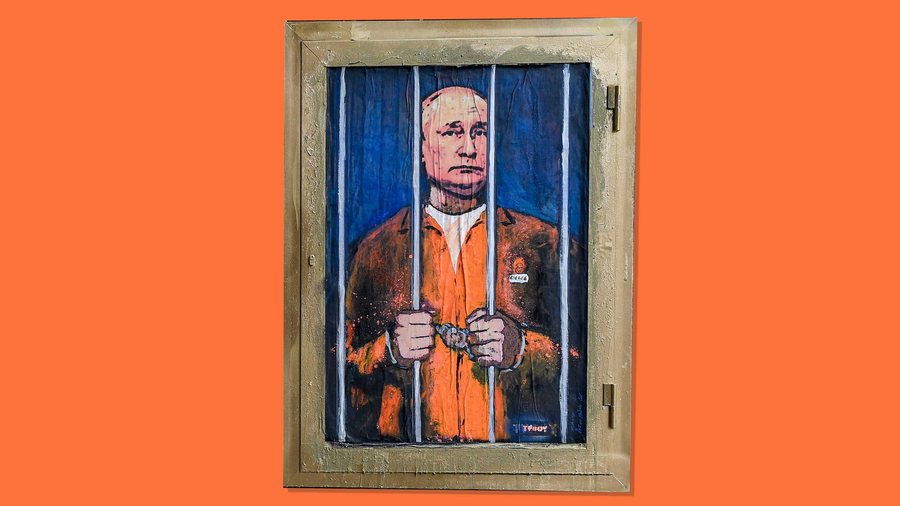
This is a fight for justice. Not just legal, but moral. Without law, there is no order, no peace. What remains is the law of the jungle.
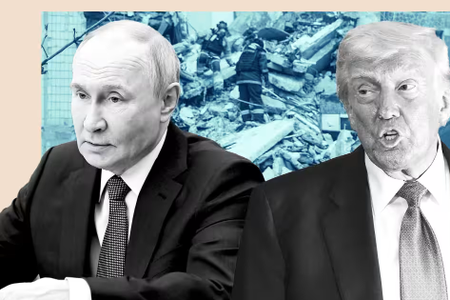
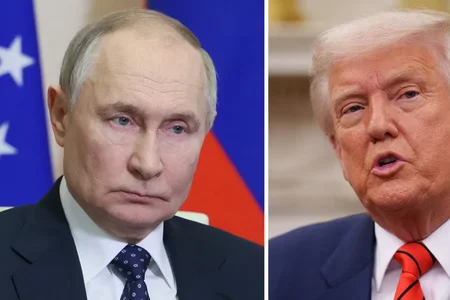
It is tempting to hope that the establishment of a Special Tribunal for the Crime of Aggression against Ukraine will lead to a speedy trial and indefinite imprisonment of Vladimir Putin and top Russian leaders. After all, the new court is supported by some 40 countries, including the United Kingdom, as well as the EU and the Council of Europe. And only fools like Donald Trump are unclear about who the aggressor in this conflict is.
Sadly, this appealing notion has little basis in reality. By shunning peace talks and taking responsibility for the war he himself started, a wryly smiling Putin lies smugly in the safety of the Kremlin. He also hides behind the outdated convention that sitting heads of state enjoy legal immunity. Russia will ultimately ignore this new court, just as it ignores the arrest warrant issued by the International Criminal Court (ICC).
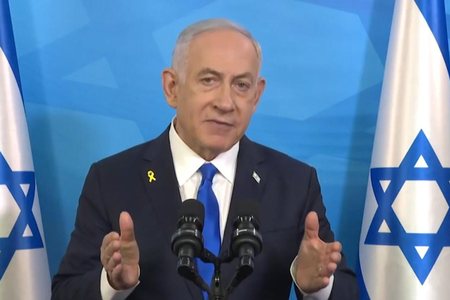
This lawlessness is intolerable. Why, then, is it tolerated? While the court in Ukraine has no set deadline for punishing aggression, other factors help Putin evade justice. One is that autocratic allies like China’s Xi Jinping, right-wing extremists like Israel’s Benjamin Netanyahu, and great powers like the United States also reject international jurisdiction for fear that it might constrain or expose them.
Netanyahu is another unrepentant ICC indictee who, like Putin, remains at large. International law, which includes UN rules, treaties, conventions, and standards, has been the cornerstone of the post-1945 global order. But today, as the world becomes more chaotic, it is being challenged and undermined by those who are supposed to protect it. The old consensus is crumbling.
The days when states could sit down and unanimously adopt the Universal Declaration of Human Rights, as in 1948, are over. Even then it was not universal – only 48 states supported it. Today, most openly ignore it.
Special tribunals have successfully prosecuted war crimes, at Nuremberg, in the former Yugoslavia, in Rwanda, but the processes are complicated, costly and slow. They face similar problems as the ICC and the International Court of Justice (ICJ) – a divide in support between authoritarian and democratic states.
These excuses do not comfort the bombed and starving people of Gaza. According to Tom Fletcher, the UN aid chief, they face “a genocide in its infancy.” He called on the Security Council to intervene urgently. The “corrosive and pervasive” degradation of international humanitarian law in Gaza is undermining decades of progress.
“Humanity, law and reason must prevail,” he said.
Apart from Israel, few doubt the justice of this appeal. But the Security Council, unreformed and divided on major issues, includes countries that should uphold the law, not sabotage it. The lack of effectiveness exacerbates the crisis.
Similarly, the South Africa v. Israel genocide case at the ICJ is important – but it could drag on for years, perhaps forever. Investigations have not helped victims in Myanmar, Afghanistan or Sudan. The Ukraine court risks becoming an excuse for a lack of real action.
Reparations can come through hybrid courts (as in Sierra Leone or Cambodia), or national courts that apply “universal jurisdiction.” Germany and France have prosecuted Syrian officials on this principle, supported by the UN’s “Responsibility to Protect” doctrine. But most states do not apply this principle.
Worse, some governments, according to Amnesty International, actively sabotage international justice. Trump, already a convicted criminal, has sanctioned ICC officials. Hungary hosted Netanyahu in April, when he should have been arrested. This has forced countries of the Global South to form the “Hague Group” to defend international courts.
The challenge to international law is growing, while the demand for its respect is increasing. Autocratic regimes rarely follow the rules. But even democracies like the US and Britain often break them, most notoriously, the invasion of Iraq in 2003.
Britain is currently arguing in court that selling components to Israeli planes bombing Gaza is legal because “there is no evidence of genocide.” This is an absurd justification that violates its obligations under the Genocide Convention.
All is not lost. Victories have been scored: Putin and Netanyahu are indicted. Global awareness of war crimes is growing. Other perpetrators will face justice. Perhaps, Ukraine will get what is rightfully itss.
Because this is a fight for justice. Not just legal, but also moral. Without law, there is no order, there is no peace. What remains is the law of the jungle./ Adapted from “Pamphlet” by “TheGuardian”



Lini një Përgjigje