


 Shkruar nga Pamfleti
The measures taken against Rosneft and Lukoil mark the first time the US has sanctioned Russia since Donald Trump returned to office in January.
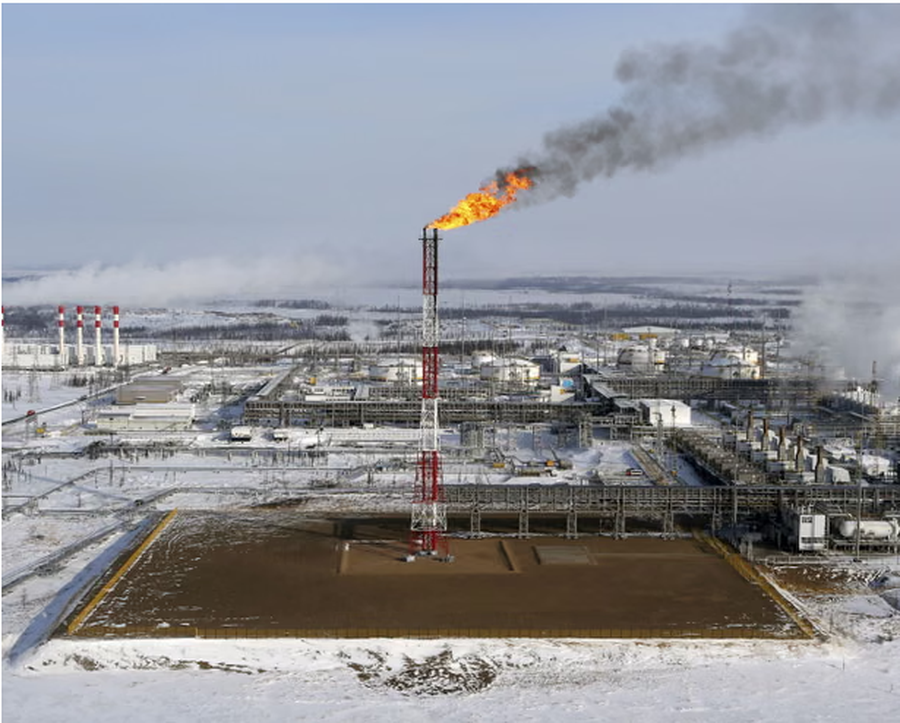
The US has announced new sanctions against two of Russia's biggest oil companies, signaling a major shift in Donald Trump's approach to ending the war in Ukraine. The measures against Rosneft and Lukoil mark the first time the US has sanctioned Russia since Trump returned to office in January.
US Treasury Secretary Scott Bessent said the sanctions were necessary because of Putin's "refusal to end this senseless war" and that the targeted companies were responsible for funding the Kremlin's "war machine." He said the US was also prepared to take further action.
Trump has called the sanctions "extraordinary," but experts remain divided on how effective they will be in slowing Russia's war and bringing Vladimir Putin to the negotiating table, with many saying it will depend on how aggressively the U.S. enforces them.
What has been announced?
The sanctions announced by the Treasury will freeze all assets belonging to Rosneft and Lukoil in the United States, while at the same time prohibiting American companies and individuals from doing business with them. The measures also include sanctions against dozens of subsidiaries of the companies.
The US is also threatening secondary sanctions on foreign financial institutions that do business with Rosneft and Lukoil - which could include banks that facilitate Russian oil sales to China, India and Turkey.
Rosneft and Lukoil are Russia's two largest oil companies and account for nearly half of Russia's crude oil exports, according to Bloomberg. Both companies were sanctioned by the United Kingdom last week, and on Thursday the EU will also announce a set of new sanctions against Russia.
Why now?
During the 2024 election campaign, Trump claimed he would end the war in Ukraine “within 24 hours” if elected. But since returning to the White House, he has found the task more difficult than he had imagined. His commitment to the war has shifted — from declaring last month that Ukraine could regain all the land lost since the 2022 invasion to suggesting this week that the country’s Donbas region should be partitioned in a way that would leave most of it under Russian control.
This week, Trump abruptly pulled out of a planned second summit with Putin amid reports that his administration was frustrated by the preconditions set for the meeting by the Russian side. By Wednesday, his impatience was evident, as he said, "Every time I talk to Vladimir, I have good conversations and then they go nowhere."
Trump has resisted pressure from allies in Congress to impose further sanctions, but Russia's unwillingness to change its stance - coupled with continued lobbying from the Europeans - appears to have changed his calculations.
Will it work?
Taxes from the energy industry make up about a quarter of Russia's budget, and additional sanctions will help further narrow Rosneft and Lukoil's ability to do business, putting further pressure on Putin.
Marshall Billingslea, a Treasury official during Trump's first term, said the threat to target banks that do business with both companies was among the most critical measures announced, as it would make it harder for companies to import Russian crude.
“Even if Indian, Chinese and Turkish refiners want to continue buying, their banks may say ‘no.’”
Thomas Graham, a fellow at the Council on Foreign Relations, was more cautious, telling Bloomberg that “If the White House thinks this is going to lead to fundamental changes in Kremlin behavior or Putin’s policy, they are fooling themselves… The Kremlin has been very good at circumventing these kinds of sanctions.”
Others have speculated that the flow of Russian oil to India, a country that has emerged as a major buyer in the past three years, could drop drastically as a result of the U.S. sanctions. Trump has pushed Indian Prime Minister Narendra Modi to cut imports, and the new measures could accelerate those moves by giving Indian refiners a means to get out of contracts that have been stuck for years, said energy analyst Thomas O'Donnell.
“This is very significant,” O’Donnell said. “They could destroy Russia as a petrostate.”
Ultimately, the impact of the new measure will depend on how active the US is in carrying out its threats against financial institutions that do business with Rosneft and Lukoil. The Biden administration chose not to impose sanctions on either company due to concerns that such a move could raise energy costs at a time when rising inflation was finally easing.
Experts say Trump's campaign promise to keep gasoline prices low and manage the cost-of-living crisis could blunt the impact of the new sanctions if they begin to dramatically affect the price of oil.
What more could the US do?
Ukraine's allies continue to push Trump toward other avenues of support — among them a plan to use Russian assets frozen at the start of the war to fund Ukraine's defense. This week, EU leaders are expected to agree on a 140 billion euro ($162 billion) interest-free loan for Ukraine, backed by Russian assets frozen in Europe. Reports suggest the U.S. has withdrawn support for such a plan.
Volodymyr Zelenskyy is also continuing to lobby the US for long-range weapons that can strike deep inside Russia. Efforts to secure Tomahawk missiles at a White House meeting last week fell through after Trump held a phone call with Putin.
On Wednesday, the Wall Street Journal reported that the Trump administration would allow Ukraine to use long-range missiles supplied by allies for strikes deep inside Russia, such as the British-supplied Storm Shadow cruise missiles used in a recent attack on a chemical plant in Bryansk, despite concerns from Washington about a potential escalation of tensions with the Kremlin.
But Trump denied on social media that he had lifted any restrictions, saying "the US has nothing to do with those missiles, wherever they come from, or what Ukraine does with them."/ The Gaurdian



Lini një Përgjigje