


 Shkruar nga Pamfleti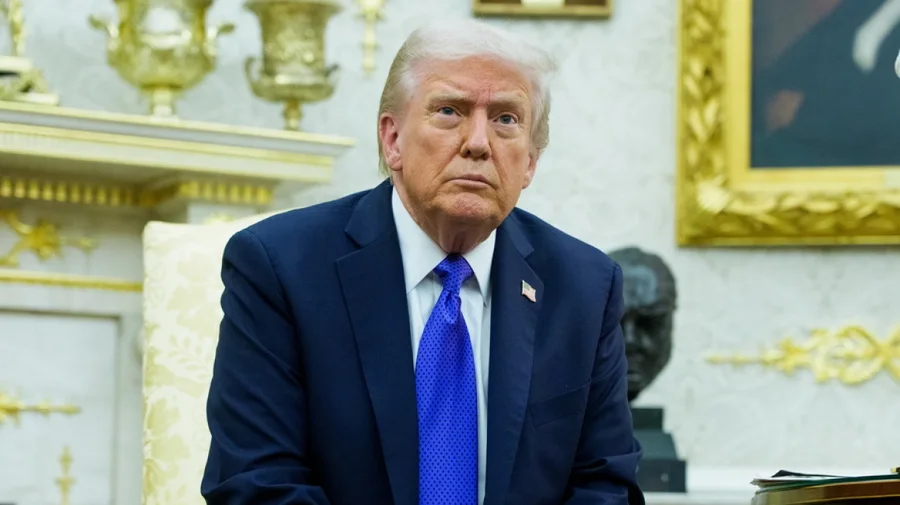
Donald Trump announced sanctions on Russia's largest oil companies, launching the first major package of economic sanctions against Vladimir Putin's Russian economy, as part of pressure to end the war in Ukraine.
The US Treasury Department added state-owned companies Rosneft PJSC and Lukoil PJSC to the "blacklist", citing "Russia's lack of serious commitment to the peace process", the statement said on Wednesday.
The decision marks a U-turn for Trump, who has so far avoided imposing large-scale sanctions and said earlier this month he would meet with Putin in the coming weeks. It is also a radical shift in the West's approach to Russian oil, as efforts to date - such as the G7 price cap - have aimed to limit the Kremlin's revenues without disrupting the flow of oil to the market.
Just a day earlier, Trump had hinted at a change of heart, saying he "doesn't want a meeting without results."
Oil markets reacted immediately, with Brent rising as much as 3% to above $64 a barrel. The threat to further curb Russian exports came at a time when the global market was bracing for a potential oversupply.
Rosneft, led by close Putin ally Igor Sechin, and Lukoil, a private company, are Russia's two largest oil producers, accounting for nearly half of its total crude oil exports, according to Bloomberg estimates. Revenue from oil and gas taxes makes up about a quarter of the Russian budget.
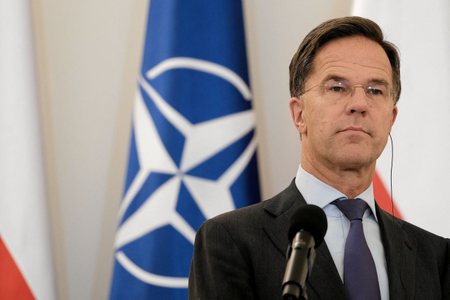
"I just felt like the time had come," Trump said from the Oval Office during his meeting with NATO Secretary General Mark Rutte. He expressed hope that the sanctions "won't last long" and that the war "will be over soon."
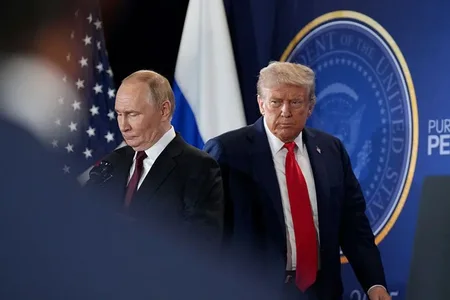
"Every time I talk to Vladimir, we have good conversations, but they don't lead anywhere," the US president added, specifying that the meeting with Putin would take place "at a later stage."
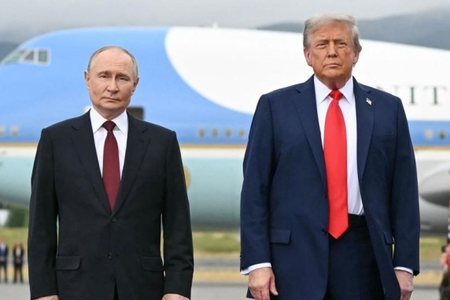
Before this decision, Trump had repeatedly backed away from threats of tariffs or sanctions against Russia. On July 29, he gave Moscow ten days to agree to a ceasefire with Kiev; the deadline expired on August 8 without American action. A meeting with Putin in Alaska followed, but no progress was made on the Ukrainian front.
The latter measure had already been considered by former President Joe Biden, but he rejected it, fearing disruption to international energy markets and a price spike. For Trump, who has based much of his policy on keeping fuel prices low, the decision is a bold risk and shows that his patience with Putin is running out. He has said he believes "gasoline will fall to $2 a gallon."
Kiev welcomed the move, with Ukrainian Ambassador Olga Stefanysyna saying that "for the first time during the tenure of the 47th US President, Washington is imposing full-scale sanctions on Russian energy companies."
On the morning of the same day, Russia launched new drone and missile attacks on Ukrainian cities, killing at least seven civilians, including children. Russian attacks on energy infrastructure continue, as Kiev responds by striking Russian refineries.
However, it remains uncertain whether the new sanctions will have any real impact on Putin's strategy. The Biden administration imposed multiple waves of sanctions after the 2022 invasion, which damaged the economy but did not prevent the continuation of the war.
Since the new measures directly target companies and not third parties working with them, Russian oil exports are likely to continue, albeit at a higher cost.
The sanctions could also have a detrimental effect on India, a major buyer of Russian oil. Reliance Industries Ltd, India's largest importer, has a long-term supply agreement with Rosneft.
The United Kingdom had already imposed sanctions on Rosneft and Lukoil a week ago, while the European Union is expected to announce a new package of measures on Thursday, which will include a ban on imports of Russian liquefied natural gas (LNG).
With the simultaneous action of the US, EU and UK, "a coordination is now taking shape that could make it much more difficult to buy Russian oil," said Kevin Book, managing director of ClearView Energy Partners in Washington. "This is the first significant step of Trump's second term against Russian oil."
However, Thomas Graham of the Council on Foreign Relations warned that the new sanctions "may ultimately prove less effective than the White House hopes."
"If the administration thinks this will lead to a fundamental change in Kremlin behavior or Putin's policy, it is mistaken," he said. "Sanctions work slowly, and the Kremlin has been extremely adept at circumventing these kinds of measures," he concluded.
Oil price increase
Nafta bruto Brent u rrit deri në 3% në mbi 64 dollarë për fuçi, ndërsa West Texas Intermediate (WTI) u tregtua pranë 60 dollarëve pasi Uashingtoni vendosi sanksione ndaj Rosneft PJSC dhe Lukoil PJSC, duke përmendur mungesën e angazhimit të Moskës për paqe. Trump synon gjithashtu të ushtrojë presion mbi blerësit kryesorë të naftës ruse, Indinë dhe Kinën.
"Këto sanksione shënojnë një ndryshim në qasjen e Presidentit Trump ndaj Rusisë dhe hapin rrugën për masa edhe më të ashpra që në fund të fundit mund të ndikojnë në eksportet ruse", tha Warren Patterson, kreu i strategjisë së mallrave në ING Groep në Singapor. Megjithatë, ai vuri në dukje se mbetet e pasigurt se sa efektive do të jenë ato.
Pasi u njoftuan masat, Trump tha se planifikonte të diskutonte importet e naftës ruse nga Kina me Presidentin kinez Xi Jinping në një takim të planifikuar për javën e ardhshme në Korenë e Jugut. Në të njëjtën kohë, ai tha se kryeministri indian Narendra Modi e kishte siguruar atë se vendi do të zvogëlonte gradualisht blerjet e tij.
Kina dhe India kanë dalë si blerësit më të mëdhenj të naftës ruse që nga pushtimi i Ukrainës, pasi vendet perëndimore e kanë shmangur Moskën. Trump ka vendosur tarifa të rënda ndaj Indisë për shkak të tregtisë së saj me Rusinë, por deri më tani është përmbajtur nga synimi i Kinës. Javën e kaluar, Mbretëria e Bashkuar vendosi sanksione ndaj dy kompanive kineze të energjisë që merren me naftën ruse, si dhe Rosneft dhe Lukoil.
Sipas analistes Rachel Ziebba të Qendrës për një Siguri të Re Amerikane në Uashington, "kjo është padyshim një nga masat më të rëndësishme të SHBA-së, por efektiviteti i saj do të kufizohet nga përdorimi i rrjeteve të paligjshme financiare". Siç vlerëson ajo, "Kina dhe India mund t'i ulin pak blerjet e tyre, por nuk ka ndërprerje të papritur të eksporteve ruse".
Rosneft, i udhëhequr nga Igor Sechin, një bashkëpunëtor i ngushtë i Putinit, dhe Lukoil privat janë dy prodhuesit më të mëdhenj të naftës në Rusi, duke mbuluar pothuajse gjysmën e eksporteve totale të vendit, sipas vlerësimeve të Bloomberg. Taksat mbi naftën dhe gazin përbëjnë rreth 25% të buxhetit të shtetit rus.
Sanksionet e reja të SHBA-së përfaqësojnë një ndryshim rrënjësor në politikë, pasi përpjekjet e mëparshme ishin të kufizuara në tavanin e çmimeve të G7, i cili synonte të ulte të ardhurat e Kremlinit pa ndërprerë furnizimin dhe pa shkaktuar rritje të çmimeve.
Vandana Hari, themeluese e Vanda Insights, tha se “tregut do t’i duhet kohë për të kuptuar plotësisht implikimet e këtyre masave”, duke shtuar se “ato ka të ngjarë të shkaktojnë shqetësim të konsiderueshëm për rafineritë në Indi dhe Kinë”.
Meanwhile, European Union countries reached an agreement on a new package of sanctions against Russia, expected to be adopted on Thursday. The sanctions will target 45 entities that helped Russia circumvent the measures, including 12 companies in China and Hong Kong, according to a statement from Denmark, which holds the current presidency of the Council of the EU.
Brent has recovered from a five-month low on Monday but remains on track for a third monthly decline as data suggests a global supply glut is starting to build. Futures contracts rebounded on Wednesday as investors viewed the recent decline as excessive and U.S. stocks fell.


Lini një Përgjigje