


 Shkruar nga Pamfleti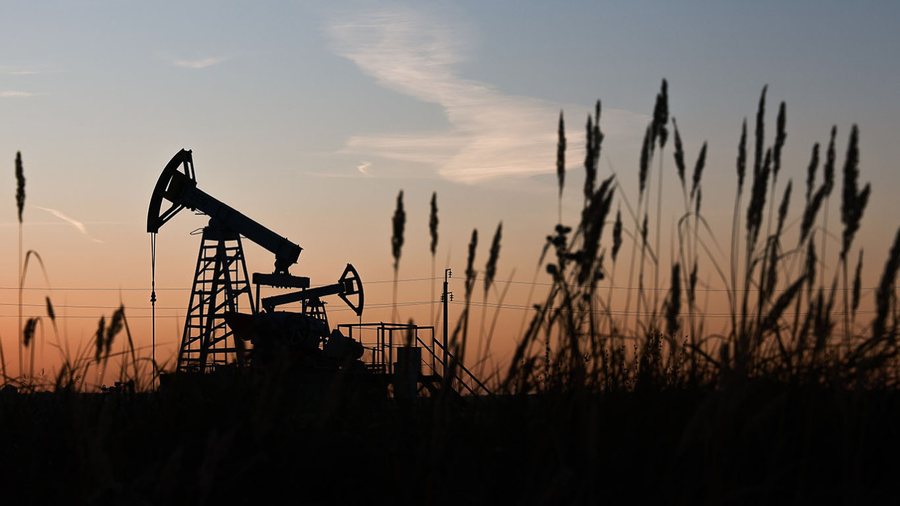
Russia will gradually lower the oil price threshold used to calculate revenues under its "budget rule" as it seeks to make public finances less vulnerable to energy market volatility and Western sanctions, Finance Minister Anton Siluanov announced on Thursday.
Under current budget regulations, oil and gas revenues earned above $60 per barrel for Urals crude oil are directed to Russia's National Wealth Fund (NWF). Shortfalls are covered by drawing from the savings fund.
To cover this year's growing budget deficit, driven by huge defense spending, the government plans to withdraw about 447 billion rubles ($5.39 billion) out of the 4 trillion rubles ($48.25 billion) estimated by the NWF.
Siluanov said on Thursday that the minimum oil price will be reduced by $1 each year starting in 2026, with the threshold eventually falling to $55 per barrel by 2030.
"We need to make the budget more muscular, a budget that would respond to any constraints we face," Siluanov said at the Moscow Financial Forum.
He did not specify whether the adjustment would continue regardless of future oil price fluctuations. Russia actually abandoned its budget rule in August 2023, more than a year after the full invasion of Ukraine. Bloomberg first reported in May that authorities were considering lowering the oil price threshold.
Siluanov has been pushing for changes to budget rules since the spring, when Ural crude oil prices fell below $60 per barrel. Meanwhile, Russia's 2025 budget draft assumed an average Ural crude oil price of $69.70 per barrel.
The government is now preparing a federal budget review later in September to align with its "socio-economic policy priorities".
Russia's oil and gas revenues for the January-September period are expected to fall by 20.5% to a total of about 6.62 trillion rubles ($79.58 billion), due to lower global prices and a stronger ruble, according to Reuters calculations. September revenues alone are expected to fall by 23% to 592 billion rubles ($7.1 billion).
Siluanov said the new threshold would reduce the share of energy revenues in the 2026 budget to 22%, compared to 25% during the first eight months of this year.






Lini një Përgjigje