


 Shkruar nga Diplomatico | Pamfleti.net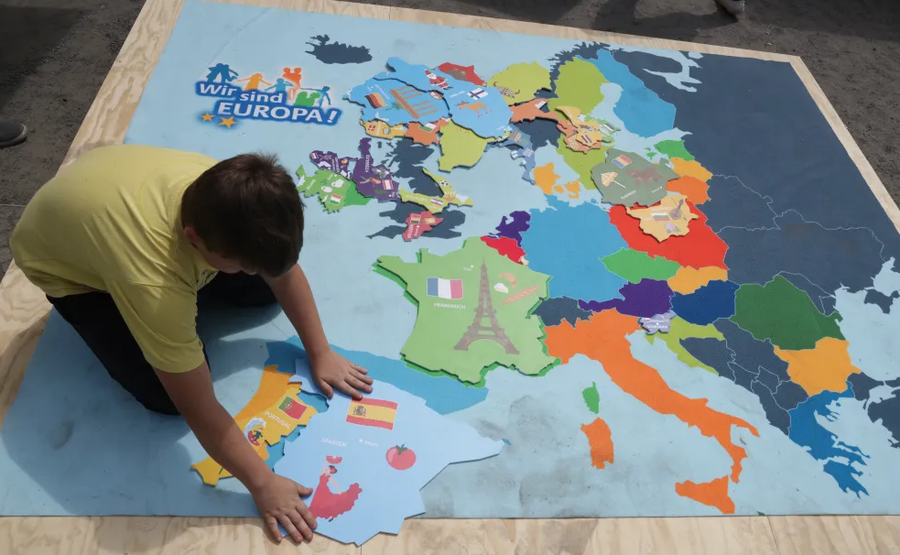
From Iceland to Switzerland: How once-neutral states are seeing Brussels as a refuge against the era of Putin, Trump and Xi Jinping...
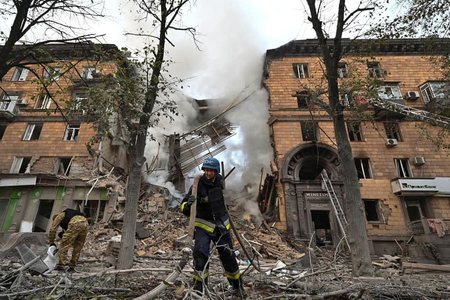
In the past, countries like Switzerland, Iceland, and Norway could afford the luxury of neutrality, choosing not to be part of the EU but instead benefiting from the common market or NATO support. But that era is over. The war in Ukraine, the return of Trump, the rise of China, and Russia's aggressiveness have forced these countries to rethink their survival strategies.
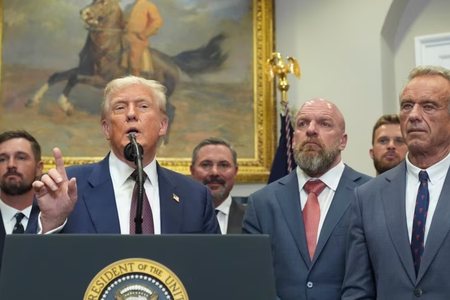
Iceland, which once rejected EU membership to protect its fisheries, is now preparing for a referendum on membership by 2027. Trump's rhetoric on NATO has pushed Icelandic policy away from relying solely on the US for defense.
Norway, which has also rejected EU membership in two referendums, is facing growing public support for another vote. Despite its wealth, its vulnerability to global change makes the country vulnerable.
Switzerland, which had made a "fetish" of its neutrality, has now resumed talks with the EU and is cooperating more with NATO for the first time in three decades.
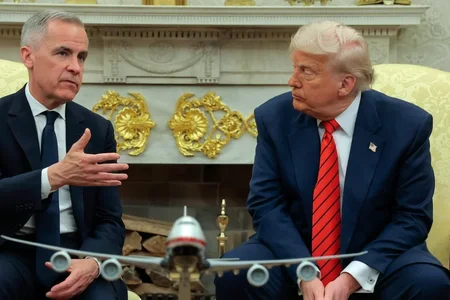
This new alignment comes at a time when countries like Armenia, Andorra, and even Canada (according to recent polls) see the EU as an alternative to superpower dominance.
Small states, even the richest ones, are vulnerable in a world where international rules are being replaced by the law of force. The EU, despite its divisions and internal strife, offers a shield: market access, collective security, and above all, a system of values that avoids invasions, dictatorships, and economic plunder.
In this context, the countries of the Western Balkans, including Albania, should also view full integration into Euro-Atlantic structures more seriously. It is no longer a matter of "strategic choice", but a matter of survival./ Pamphlet


Lini një Përgjigje