


 Shkruar nga John Garnaut & Sam Chetwin George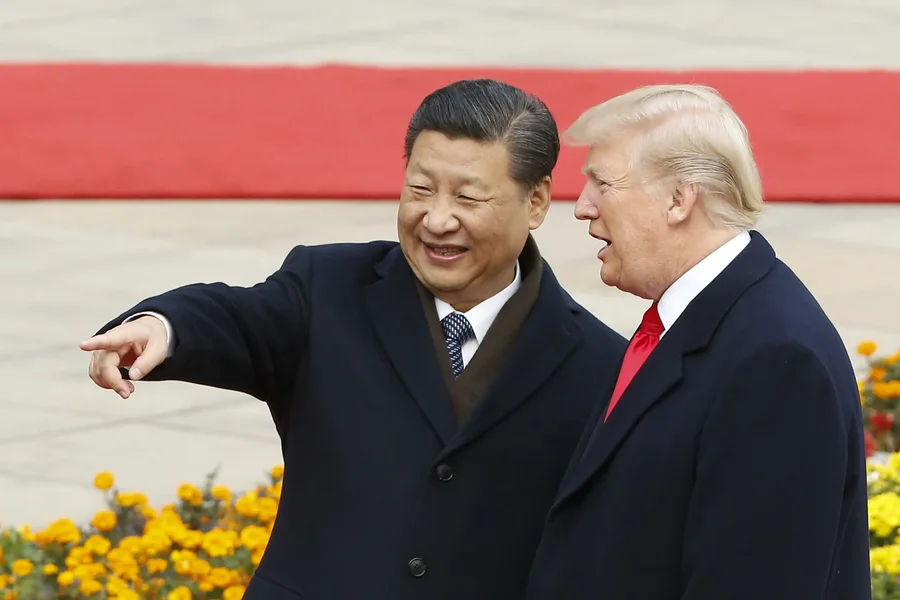
Xi has steadily increased the pressure as part of his efforts to undermine US power.
While much of the world was focused on the US presidential election in late October, China's President Xi Jinping made a public call for global resistance to the American-led world order.
Speaking in Kazan, Russia, at the summit of the BRICS countries, he told the leaders of Brazil, Russia, India, South Africa, Iran, Egypt and several other countries, that the world has entered a new major era "of determined by turbulences and transformations".
"Should we allow the world to remain in turmoil, or shall we push it down the right path of peaceful development?" - asked Xi. Following his speech, he referred to an 1863 Russian novel that glorifies the revolutionary struggle and inspired Vladimir Lenin.
Xi has often drawn inspiration from Russia's historical and literary tradition to convey his goal of undermining — and ultimately displacing — Western ideas and institutions. But by fostering a spirit of revolutionary sacrifice within BRICS, a grouping that is expanding to include new member states, he is signaling an intention to unite the developing world in an escalating struggle against American power.
The dark and radical novel that the Chinese leader cites as his inspiration gives some insight into Xi's mindset as he prepares to test Donald Trump's commitment to the institutions and alliances that underpin the current ruling order. world led by the USA.
The book entitled "What should be done? Stories about young people", was written by Nikolai Chernyshevsky in a prison cell in 1862-1863. The tsarist authorities had condemned him for the "evil purpose of overthrowing the existing order", due to his suspected connections with subversive organizations.
The novel is little known in the West, perhaps because the meandering and confusing account of a love triangle in a utopian tailors' cooperative is a difficult read. The Russian poet Afanasy Fet said that Mr Chernyshevsky's real crime was "premeditated influence of the worst kind in terms of form", and that reading the book was an "almost unbearable" task.
One of the authors of this article can testify to this firsthand, having tried and failed several times to make it to the end when he was a correspondent in Beijing. Xi is seduced by the novel's protagonist, Rakhmetov.
Pasardhësi i një familjeje princërore, Rakhmetov rebelohet në moshën 16-vjeçare kundër babait të tij autoritar.
Kalit trupin e tij përmes punës së vështirë fizike dhe zhvendoset në Shën Petersburg, ku rekrutohet në një grup të fshehtë, dhe rilind si një “njeri i jashtëzakonshëm”, si revolucionari i fundit. Rakhmetov heq dorë nga ushqimi i mirë, vera dhe gratë. Lexon klasikët e filozofisë, letërsisë dhe shkencës. Shmang fjetjen normale në një dyshek, duke kaluar një natë mbi një shtrat me gozhdë për të testuar veten, duke e lënë trupin e tij të mbuluar me gjak. Ai është “plotësisht i papërshkueshëm nga emocionet personale, nuk ka ndjenja”, dhe është i fokusuar për të bërë gjithçka që duhet për arritjen e qëllimev të tij.
Ideologjia radikale e këtij librit, zgjoi interesin Leninit, që e huazoi titullin “Çfarë duhet bërë?” për esenë e tij historike të vitit 1902, ku ai shpalli ndarjen me socialdemokratët pacifistë, në favor të formimit të një pararoje të revolucionarëve profesionistë dhe agresivë. Po ashtu, ai frymëzoi shumë nga Gardistët e Kuqe të Mao Ce Dunit, dhe të rinjtë urbanë që iu përgjigjën thirrjes së Maos për të jetuar së bashku me fshatarët kinezë në fshat gjatë Revolucionit Kulturor. Midis atyre që zbritën në fshat ishte edhe vetë Xi. Siç e ka rrëfyer vetë, e lexoi për herë të parë këtë libër kur ishte adoleshent, teksa jetonte në një shpellë në provincën rurale Shaanxi. Ai u “trondit” nga sjelljet askete të Rakhmetovit, por i shihte ato si ideale për të forcuar vullnetin e njeriut. Madje Xi ka pohuar se e ka imituar shembullin e Rakhmetov, duke hequr dorë nga dysheku, duke bërë dush me ujë të ftohtë, dhe duke u stërvittur jashtë në shi dhe borë.
Xi përmendi pikërisht këtë lloj sakrifice dhe guximi në samitin e BRICS, duke u thënë udhëheqësve të tjerë se “vendosmëria e palëkundur dhe lufta e zjarrtë e Rakhmetov, përfshin pikërisht atë lloj fuqie shpirtërore që na nevojitet sot”. ‘Sa më të mëdha të jenë stuhitë e kohës sonë, aq më shumë duhet të qëndrojmë të patundur, në ballë, me një vendosmëri të pandërprerë dhe një guxim të pashoq”- nënvizoi ai
Sigurisht, Kina e ka minimizuar natyrën radikale të programit të Xi për audiencën perëndimore, duke e hequr referimin e tij për Rakhmetov nga transkriptet zyrtare në anglisht të fjalëve të tij.
Xi has steadily increased the pressure as part of his efforts to undermine US power. In 2022 he declared a "boundless" partnership with Russia, and aligned himself with his counterpart Vladimir Putin and his war in Ukraine. He has also advocated what he calls the "Global Security Initiative", which serves as a rhetorical and philosophical framework for his plans. It espouses ideals such as "common security" and the protection of each country's "legitimate security concerns." But its real intention seems to be to provide a cover for those who would challenge US strategic interests, and ultimately to protect the interests and political systems of China and its partners from restrictions imposed by Washington.
The Chinese leader wants more nations aligned under this flag. In Kazan, he and Putin repeatedly stressed the importance of security, as BRICS welcomed new members such as Egypt, Ethiopia, Iran and the United Arab Emirates but also new applicants such as Cuba, Venezuela and the Palestine Liberation Organization.
Many of them have their revolutionary or Leninist roots, and it doesn't take much encouragement to line up against America. As the president of Iran, Masoud Pezeshkian, said, "BRICS can be a way out of American totalitarianism." Xi is well aware of the importance of geopolitical leverage, and is creating a coalition of authoritarian countries.
China has worked hard to repair previously broken ties with countries such as India, Vietnam and Brazil, and is strengthening other relationships with the entire developing world. Xi seems to believe that momentum is on his side. On the other hand, Trump returns to this task with the US's capabilities weakened by the conflicts in the Middle East and Ukraine. He has surrounded himself with a mix of isolationist advisers and anti-China radicals, while casting doubt on America's commitment to allies and partners such as Ukraine and Taiwan. Putin remains an essential partner of Xi. Russian state media reported that he gave the Chinese leader an old copy of Chernyshevsky's book for his birthday in June, and even hosted the BRICS summit in the Tatarstan region, Rakhmetov's ancestral home.
Note: John Garnaut, co-founder of Garnaut Global, a geopolitical risk advisory firm, and China correspondent for Australia's The Sydney Morning Herald. Sam Chetwin George, director of research on China at "Garnaut Global". / Adapted "Pamphlet" from the New York Times"





Lini një Përgjigje