


 Shkruar nga Pamfleti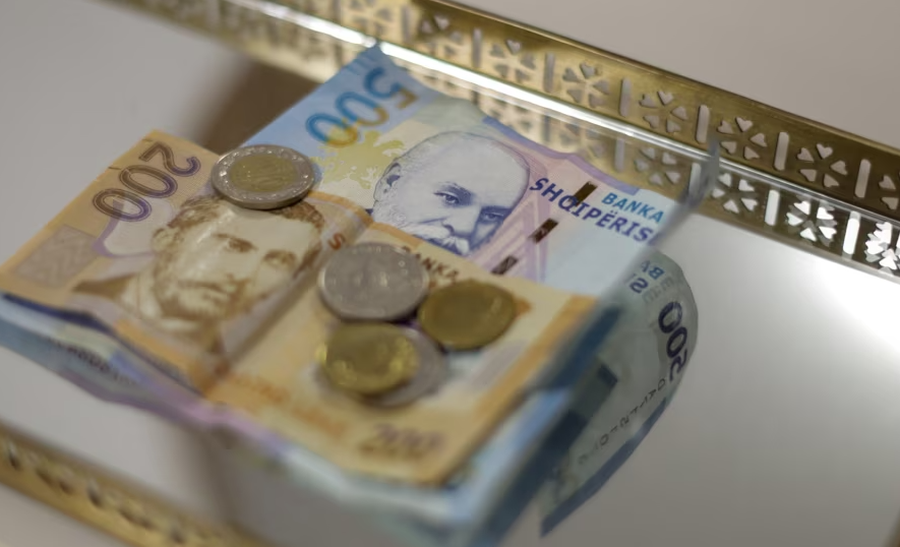
One euro traded for just 93.62 lekë this week, a historic low against the Albanian currency. In theory, a stronger lek should make imported goods cheaper, lower costs for businesses and increase citizens' purchasing power. But in Albania, the opposite is happening.
Food prices continue to remain among the highest in the region, exporters complain that they are losing competitiveness, while economists question whether official explanations are sufficient to understand why the lek has strengthened so much.
The debate has turned into a clash between the Government, the opposition, and economic experts.
The government argues that the strengthening of the lek is the result of the entry of large amounts of foreign currency into the economy, driven by tourism, foreign investment and remittances. The opposition, on the other hand, claims that the exchange rate is also affected by the informal economy and money laundering. Meanwhile, some economists say that official data do not fully explain this phenomenon and require a deeper analysis of the sources of foreign currency entering the country.
For Prime Minister Edi Rama, it is not the euro that has weakened, but the lek that has strengthened.
"The strengthening of the lek is a success for the Albanian economy. It is a stubborn indicator of economic growth ," he declared in recent days, linking this development mainly to the increase in tourism revenues.
Official figures support this argument.
According to the Bank of Albania, foreign visitors spent around 5.7 billion euros in Albania during 2025 - around 15 percent more than the previous year.
The Albanian Ministry of Finance also reported 1.6 billion euros in foreign direct investments and over 2 billion euros in remittances, which, according to the Government, have significantly increased the supply of euros in the market and led to the strengthening of the lek.
But the opposition says that a stronger currency is necessarily a sign of a stronger economy, arguing that this development has not been accompanied by increased production, productivity or exports.
According to her, the strengthening of the lek does not reflect the real state of the Albanian economy.
Are tourism, investments, and remittances enough to explain it?
For the Government, the answer is yes.
Prime Minister Rama rejects claims that after the strengthening of the lek, mainly money of dubious origin is being hidden.
According to him, the large inflow of foreign currency into the economy is the result of legitimate developments, above all the tourism boom.
" We discuss that there is a dirty money laundering machine here, but who would let us continue to close chapters with the European Union? " Rama said, adding that the discovery of money laundering cases shows the strengthening of institutions and not that Albania is a "narco-state."
The opposition sees the situation differently.
The leader of the Democratic Party, Sali Berisha, claims that the appreciation of the lek cannot be explained only by tourism or investments, but is also related to the inflow of money from criminal activities.
Although he does not present concrete evidence for this claim, he argues that large euro flows have affected the exchange rate, without bringing improvements to the welfare of citizens or the productive economy.
The debate is not new.
For years, the informal economy and the risk of money laundering have been part of discussions about the Albanian economy.
The latest report by the Special Prosecution Office against Corruption and Organized Crime (SPAK) shows that during 2025 alone, around 45.4 million euros of assets were seized and confiscated, while the construction and real estate sectors are identified as among the areas with the highest exposure to money laundering.
However, this data alone does not prove that the exchange rate has been influenced by criminal activities.
For this very reason, some economists argue that the debate should not be based solely on political statements, but on the analysis of economic indicators.
According to them, the main question is not whether tourism has brought more euros to Albania - that is indisputable - but whether this is enough to explain such a large strengthening of the lek.
Economists: Figures do not fully explain the strengthening of the lek
Irena Beqiraj, former Deputy Minister of Finance of Albania, argues that the Government's analysis is based only on the money entering the country, but does not take into account what is leaving.
According to her, from about 5.7 billion euros in tourism revenue during 2025, about 3.06 billion euros that Albanians spent abroad should be deducted.
Even in foreign investments, she sees an important difference.
A large part of them, says Beqiraj, does not represent new capital that has entered Albania, but profits that foreign companies have chosen to reinvest in the country.
While remittances, according to her, have increased, but not to levels that would explain such a large change in the exchange rate.
" For me, 25 to 40 percent of the lek's appreciation remains unexplained by tourism, foreign investment, and remittances ," says Beqiraj.
Economist Pano Soko holds a similar position.
He argues that, if the strengthening of the lek were the result of the real economy, this would be reflected primarily in the trade balance.
“... por, të dhënat tregojnë se bilanci është në deficit dhe diferenca mbetet thuajse e njëjtë që prej vitit 2013, kur euroja këmbehej me 140 lekë. Nëse ky raport mes importit dhe eksportit nuk ka ndryshuar, edhe kursi i këmbimit do të mbetej i njëjtë”, thotë Soko për Radion Evropa e Lirë.
Sipas tij, as investimet e huaja nuk e shpjegojnë këtë zhvillim.
“Nëse do të shihnim vetëm këtë tregues, euroja madje do të duhej të ishte forcuar, sepse investimet e huaja nga viti 2015 deri më sot kanë rënë”, thotë ai.
Atëherë, nga vjen pjesa tjetër e valutës që ushtron presion mbi kursin e këmbimit?
Beqiraj thotë se të dhënat zyrtare të ekonomisë nuk e shpjegojnë plotësisht forcimin e lekut dhe se kjo mund të nënkuptojë ekzistencën e flukseve të tjera valutore që nuk pasqyrohen në statistikat zyrtare.
Soko shkon një hap më tej, duke argumentuar se ekonomia joformale dhe paratë me origjinë kriminale kanë një ndikim të rëndësishëm në tregun valutor, pasi për kursin e këmbimit rëndësi ka sasia e euros që hyn në qarkullim, pavarësisht burimit të saj.
Leku forcohet, por pse nuk ndihet në xhepin e qytetarëve?
Në teori, një monedhë më e fortë duhet të sjellë përfitime të prekshme për ekonominë.
Importet bëhen më të lira, kostot e bizneseve ulen dhe kjo, me kalimin e kohës, duhet të reflektohet edhe në çmimet që paguajnë konsumatorët.
Por, ekonomistët thonë se kjo nuk ka ndodhur në Shqipëri.
Një studim i fundit mbi çmimet tregon se në vitin 2024 çmimet e ushqimeve dhe pijeve joalkoolike në Shqipëri arritën në 100 për qind të mesatares së Bashkimit Evropian, nga 68 për qind sa ishin në vitin 2012.
Sipas autorëve të studimit, Shqipëria ka regjistruar rritjen më të madhe të çmimeve të ushqimeve në rajon, ndonëse të ardhurat e familjeve shqiptare mbeten shumë më të ulëta se në vendet e BE-së.
Azmi Stringa, një nga autorët e studimit, thotë se forcimi i lekut nuk është përkthyer në ulje çmimesh për konsumatorët.
“Një lek më i fortë duhej të sillte përfitime për qytetarët dhe ekonominë prodhuese, por kjo nuk ka ndodhur”, thotë Stringa për Radion Evropa e Lirë.
Ai shton se problemet strukturore të ekonomisë shqiptare, si konkurrenca e dobët, mungesa e transparencës në treg dhe mbikëqyrja e kufizuar, kanë penguar që efekti pozitiv i kursit të këmbimit të arrijë te konsumatori.
Edhe Beqiraj i referohet të njëjtit studim për të ilustruar paradoksin.
Sipas saj, çmimet e ushqimeve në Shqipëri janë tashmë të krahasueshme, madje në disa raste edhe më të larta se në vende si Holanda apo Spanja, megjithëse këto vende kanë të ardhura dhe nivel jetese dukshëm më të lartë.
“Rezultatet e studimit tregojnë se çmimet e ushqimeve në Shqipëri janë rritur më herët, më shpejt dhe në mënyrë më frekuente se në vendet e rajonit, edhe pse leku është vlerësuar me rreth 30% gjatë dekadës së fundit”, thotë Beqiraj.
Ndërkohë, një lek më i fortë nuk prek të gjithë njësoj.
Economists say that among the hardest hit are exporters, who generate income in euros, while paying salaries, energy, rent and most costs in lek.
With the depreciation of the euro, their profits shrink and Albanian products become less competitive in international markets.
According to Sokos, the tourism sector is also feeling the same pressure.
" Tourism makes offers in euros and with its decline it will be forced to increase the price. But, a higher price does not make it competitive with other countries. If this decline in the euro continues, many tourism operators will be forced to exit the market ," says Soko.
Beneficiaries, on the other hand, are those who purchase goods abroad or have financial obligations in euros.
Importing businesses pay less for the products they bring from abroad, while citizens who have loans in euros repay them with less lek than a few years ago.
The state also benefits, as part of the public debt was taken out in euros and is now being repaid at a more favorable exchange rate./ REL


Lini një Përgjigje