


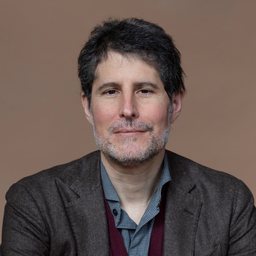
 Shkruar nga Giuliano da Empoli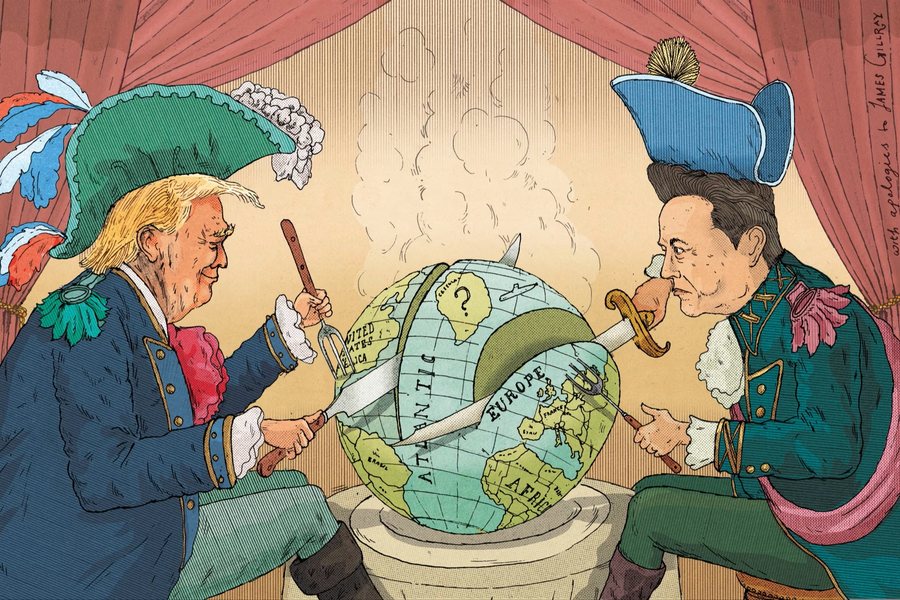
Digital tycoons and strongmen are more than just disruptors of the old liberal order. Together they seek to destroy it...
In turbulent times, public outrage is an easy refuge: to revolt, to condemn, to take a moral stance, without going into deep analysis. But in a world being shaped by digital chaos and new leaders who speak the language of confrontation, a “moral stance” is no longer enough to understand what is really happening.
When Elon Musk appeared at a rally organized by an extremist figure in Britain and declared that “violence is coming” and “fight or die,” politics reacted with panic. But this is not an isolated incident. Nor is it the eccentricity of a billionaire with an unstable mood. It is a clear signal that we have entered a new era, where technologists and populists have joined forces to overthrow the old liberal order.
For decades, global decision-making was managed by a caste of technocrats: measured, moderate, predictable policymakers who spoke with PowerPoint and wore blue shirts to international summits. But the “Davos consensus” is now a relic. In its place have emerged figures who seek not to preserve order, but to disrupt any structure that resembles it.
The new digital elite (Musk, Zuckerberg, Altman, and others) are not just successful entrepreneurs. They are ideologues of a new world. They are part of a generation for whom the old “rule” seems like a lie to keep society under control. Instead of consensus, they believe in controlled chaos. Instead of law, in the brutal efficiency of the algorithm. “Act fast and destroy everything” is no longer a start-up slogan, but a political philosophy in action.
And in this vision, they are much closer to Trump, Bolsonaro, and Milley than to Merkel or Macron. What they have in common? Hatred of bureaucracy, distrust of expertise, and a deep contempt for old elites. These figures believe that reality should not be managed, but challenged, subverted, and rebuilt in the form of a personal utopia.
This is not just a cultural trend, but a power struggle. Technologists once needed politics. Today they feel more powerful than it. They no longer do diplomacy, they seek dominance. Musk, for example, is no longer just the CEO of a company. He is a global figure with greater influence than many countries. And he does not hide behind a “low profile” like Eric Schmidt once did, but calls for violent political action and institutional overthrow.
On the other hand, traditional politicians still don’t understand what’s going on. They think this is a contest of ideas, while their opponents are playing for regime change. And the public, tired of systems that don’t work, is listening with interest. Because populists, dressed in suits or hoods, offer the promise of a “political miracle”: an extraordinary act that defies law, ethics, and rationality, but that delivers results. In a world where people think that voting changes nothing, the illegal act becomes a symbol of hope.
This is how Trump acts with presidential orders that defy all legal precedent. This is how Bukele acts, imprisoning tens of thousands of people without trial in the name of “war on gangs.” This is how Milley acts in Argentina, “cutting through” bureaucracy with a chainsaw. All of this is done in the name of substance – not form. And any rule that stands in the way is seen as a conspiracy by elites to maintain control.
But this kind of power doesn’t come from charisma alone. It comes from a new communications ecosystem – an internet that has become a “digital Somalia”, where there are no rules, no state, no law. And whoever has more influence has even more power. Where debates once took place in parliament, they now take place on “X”, on TikTok or on a dark podcast, where the audience is global and without intermediaries.
In this reality, traditional elites – lawyers, academics, moderate politicians – are losing ground. And with them, liberal democracy itself as we know it may collapse. /Adapted from “Pamphlet” by “ Financial Times ”
*Giuliano da Empoli, a former senior advisor to Italian Prime Minister Matteo Renzi, is the author of the novel "The Kremlin Wizard."



Lini një Përgjigje