


 Shkruar nga Pamfleti
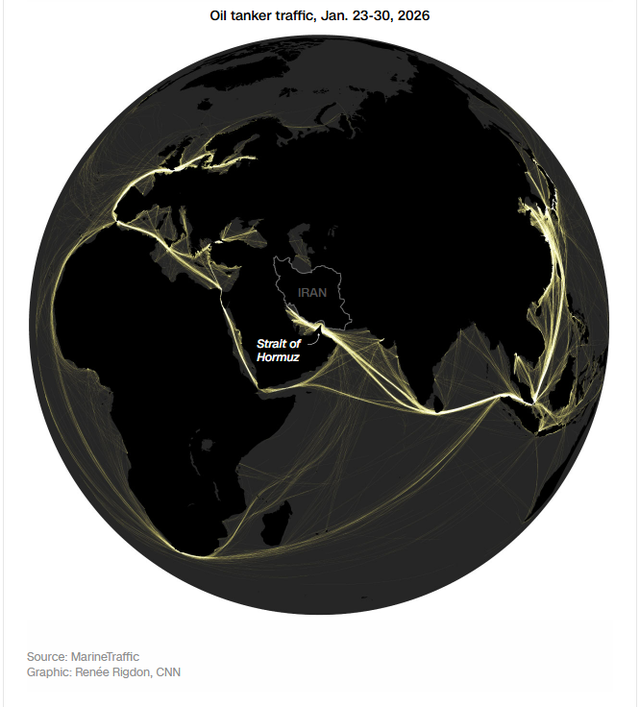
The narrow waterway that typically carries a fifth of the world's oil and liquefied natural gas (LNG) has emerged as the Islamic Republic's most powerful weapon. And now it is seeking to transform itself into a source of potentially billions of dollars in annual revenue and a pressure point on the global economy.

When an Iranian official this week presented a list of demands to end the war launched by the United States and Israel, he added one item that had not previously been on Tehran's list: recognition of Iran's sovereignty over the Strait of Hormuz.
The narrow waterway through which a fifth of the world's oil and liquefied natural gas (LNG) typically passes has emerged as the Islamic Republic's most potent weapon. And it is now seeking to transform itself into a source of potentially billions of dollars in annual revenue and a pressure point on the global economy.
Iran has long threatened to close the strait in the event of an attack, but few expected it to go ahead or to be so effective in disrupting global trade flows. The scale of its influence appears to have broadened Tehran's ambitions, with the new demands suggesting it is seeking to turn that influence into something more lasting.

Shipping through the chokepoint has been brought to a near standstill by Iranian attacks, sending global energy markets into turmoil and forcing countries far beyond the Persian Gulf to take emergency measures to secure fuel supplies.
“Iran is a little surprised by how successful its (Hormuz) strategy has been — how cheap and how relatively easy it is to hold the global economy hostage,” said Dina Esfandiary, head of Middle East at Bloomberg Economics. “One of the lessons learned in the war is that it has discovered this new leverage and is likely to use it again in the future. And I think monetizing it is part of discovering that it has this leverage.”
Washington is acutely aware of this risk. US Secretary of State Marco Rubio warned on Friday that one of the immediate challenges after the war would be Tehran's efforts to create a tax system in Hormuz.
"Jo vetëm që kjo është e paligjshme, është e papranueshme, është e rrezikshme për botën dhe është e rëndësishme që bota të ketë një plan për t'u përballur me të", tha Rubio pas një takimi të G7 në Francë. Ministrat e jashtëm të grupit theksuan "domosdoshmërinë absolute" për të rivendosur "lirinë e sigurt dhe pa pagesë të lundrimit".

Në një shenjë respekti për peshën strategjike në rritje të Ngushticës së Hormuzit, Mojtaba Khamenei përdori fjalimin e tij të parë të supozuar si udhëheqësi i ri suprem i Iranit për të thënë se ndikimi i bllokimit të rrugës ujore "duhet të vazhdojë të përdoret".
Në raundet e mëparshme të bisedimeve me SHBA-në, Irani kërkoi lehtësimin e sanksioneve dhe njohjen e të drejtës së tij për teknologji bërthamore paqësore, por jo kontrollin mbi Ngushticën e Hormuzit.
Irani tani po sinjalizon se ky ndikim mund të formalizohet. Ligjvënësit iranianë po shqyrtojnë një projektligj që do t'u kërkonte vendeve që përdorin ngushticën për transportimin e karburantit dhe mallrave të paguajnë taksa, ndërsa një këshilltar i udhëheqësit suprem ka folur për një "regjim të ri për Ngushticën e Hormuzit" pas luftës. Ky sistem i ri do t'i lejonte Teheranit të vendoste kufizime detare ndaj kundërshtarëve dhe në mënyrë efektive të lidhë aksesin në një nga korridoret më kritike të transportit detar në botë me mosmarrëveshjet e tij gjeopolitike.
“Vendosja e tarifave të tranzitit është një shkelje e rregullave të kalimit tranzit”, tha James Kraska, profesor i së drejtës ndërkombëtare detare në Kolegjin e Luftës Detare të SHBA-së. Ai shtoi se nuk ka bazë ligjore sipas së drejtës ndërkombëtare që një shtet bregdetar të ngarkojë tarifa në një ngushticë ndërkombëtare si Hormuzi.
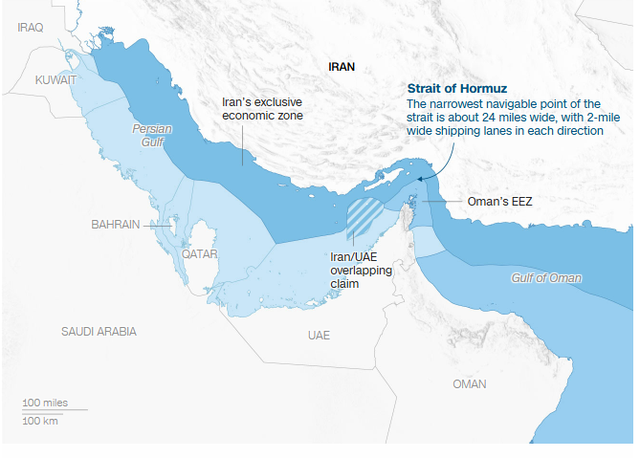
“Ngushtica e Hormuzit është një ngushticë e përdorur për lundrim ndërkombëtar, me dete territoriale të Iranit dhe Omanit që mbivendosen… Brenda këtyre ujërave, zbatohet ligji iranian dhe ai i Omanit”, tha ai. “Megjithatë, për shkak se është një ngushticë ndërkombëtare, e drejta e kalimit tranzit zbatohet për të gjitha shtetet, gjë që lejon tranzit sipërfaqësor, mbikalim dhe nënujor pa pengesa.”
Rregullat janë të përcaktuara në Konventën e OKB-së mbi të Drejtën e Detit (UNCLOS). Ndërsa as Irani dhe as Shtetet e Bashkuara nuk janë palë në konventë, Kraska thotë se shumë nga parimet e saj thelbësore ende zbatohen sepse ato pranohen gjerësisht si e drejtë ndërkombëtare zakonore. Megjithatë, Irani mund të kërkojë ende të përdorë mosanëtarësimin e tij për të forcuar argumentet e tij, shtoi ai.
Rivalizimi me Kanalin e Suezit
Kjo nuk e ka ndaluar Iranin të eksplorojë se si mund të duket një sistem i tillë, ose sa fitimprurës mund të jetë.
Experts question whether Iran can create a tax system that would gain international acceptance, but if it succeeds, the revenues could rival those generated by Egypt's Suez Canal, according to CNN calculations.
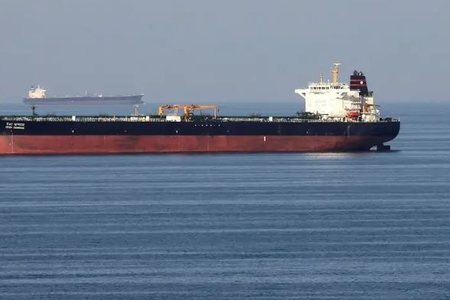
Normally, about 20 million barrels of crude oil and petroleum products pass through the Strait of Hormuz every day, roughly equivalent to about 10 so-called very large crude carriers (VLCCs). At a reported rate of $2 million per tanker, this would translate into about $20 million per day, or about $600 million per month, from oil alone.
If LNG shipments are included, this figure could rise to more than $800 million per month, equivalent to about 15%-20% of Iran's monthly oil export revenues in 2024.
By comparison, Egypt earns between $700 million and $800 million a month from the Suez Canal, a government-controlled artificial waterway, in a typical year, although revenues have fallen sharply over the past year due to disruptions in the Red Sea.
The monetization of Hormuz could also be driven by economic pressures on Iran. Esfandiary said Tehran sees the transit fee as a way to “compensate for some of its economic shortcomings” under sanctions, describing it as a relatively “easy” and “low-cost” mechanism to compensate for limited access to global markets. Iran is among the most heavily sanctioned countries in the world, second only to Russia.
Iran has repeatedly said the Strait of Hormuz remains open, but not without conditions. Officials say “non-hostile” ships can transit, provided they coordinate with Iranian authorities. The foreign ministry conveyed this position in a letter to the UN Security Council and the International Maritime Organization, according to Reuters.
At the same time, Tehran appears to be testing what a controlled passage system might look like in practice. Ship tracking data shows several tankers using a route closer to Iran's coast, with reports that certain operators may have paid for safe passage.
No country, importer or ship operator has publicly acknowledged paying a fee, and the details of any deal remain unclear. But shipping intelligence firm Lloyd's List reported on Monday that more than 20 ships have used what it described as a new corridor through the strait, with at least two ships that Lloyd's understands have paid to do so, one of them reportedly costing around $2 million.
Iran's Islamic Revolutionary Guard Corps has also established a registration system for approved ships, while several governments are engaging directly with Tehran to secure transit for their tankers, Lloyd's List reported./ Adapted from CNN



Lini një Përgjigje