


 Shkruar nga Ezra Klein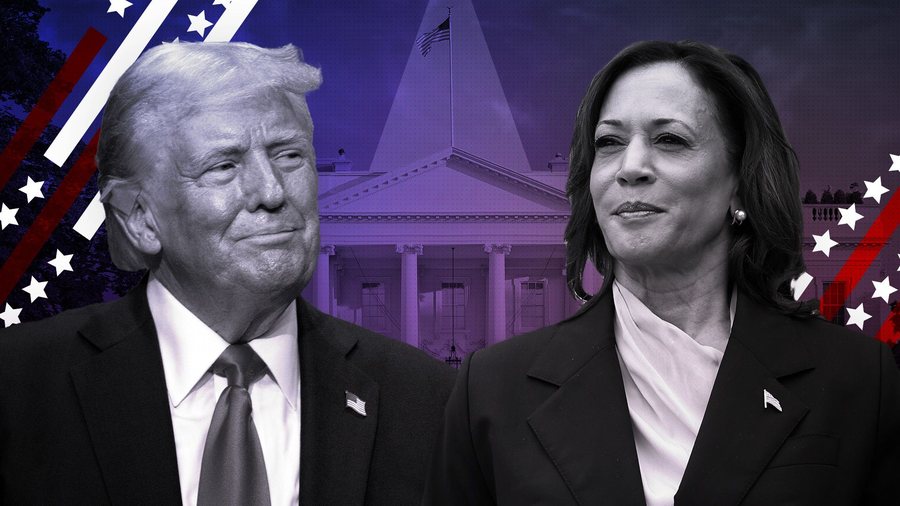
In 2016, an American Association for Public Opinion Research found that the average error of national polls was 2.2 points, but the error in individual state polls was 5.1 points.
Just ignore the polls. Unless you're a campaigner or a gambler, you're probably watching the polls for the same reason we all are: to know who's going to win. Or at least feel like you know who's going to win. But polls just can't tell you that.
In 2016, Harry Enten, then at FiveThirtyEight, calculated the final poll error in every presidential election between 1968 and 2012. On average, the polls missed by two percentage points. In 2016, an American Association for Public Opinion Research found that the average error of national polls was 2.2 points, but the error in individual state polls was 5.1 points. In 2020, national polls dropped by 4.5 points and state-level polls lost, again, by 5.1 points.
You can imagine a world in which these errors are random and cancel each other out. Perhaps Donald Trump's support is undercounted by three points in Michigan, but overcounted by three points in Wisconsin. But the errors often systematically favor one candidate or the other. In both 2016 and 2020, for example, state-level polls tended to underestimate Trump supporters. Polls overestimated Hillary Clinton's margin by three points in 2016 and Joe Biden's margin by 4.3 points in 2020.
In an inflated election, an error of a few points in one direction or another is meaningless. In the California Senate race, for example, Adam Schiff, a Democrat, leads Steve Garvey, a Republican, by 17 to 33 points, depending on the poll. This means that even a 10-point voting error would not matter to the outcome of the race.
But presidential elections are not like that. As of October 10, the New York Times polling average had Kamala Harris leading Trump by three points nationally. That's tight, but the seven swing states are tighter: Neither candidate leads by more than two points in any of them.
Imagine polls doing better in 2024 than in 2016 or 2020: They're off, surprisingly, by just two points in swing states. That would be consistent with Harris winning every state. It would also be consistent for Trump to win every swing state. This is not an outlandish scenario. According to Nate Silver's electoral model, the most likely election outcome is for Harris to win all seven swing states. And the most likely future is that Trump wins all seven.
That's all to say: Polls can't tell you how they'll be wrong, or how much. But that's what matters now.
Such a close race is nice for people who like to think about voting methodologies. My colleague Nate Cohn had an interesting piece last week about how polls differ based on whether pollsters are "weighing the recall vote" or not. The short version is this: Pollsters are desperate to avoid the mistakes they made in 2016 and 2020, when they underestimated Trump supporters. So most pollsters are asking voters to remember who they voted for in 2020 and then use that information to make sure Trump voters are fully represented. Pollsters who do this are getting results that show a very similar pattern to 2020 voting. Pollsters who don't do this are seeing fundamentally different results.
But people are extremely bad at remembering past votes. Using this data may simply bias further surveys. In a month or so, we'll (hopefully) know which methodological choice was right. But until then, unless you're a professional pollster, do you really need to spend the fleeting minutes you have on this earth thinking about weighing gray votes?
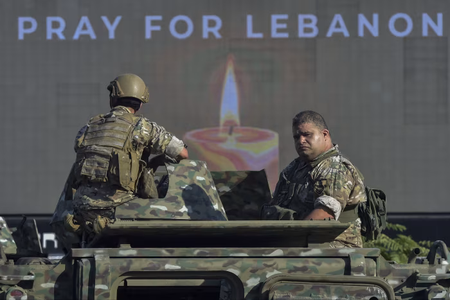
A week before the Harris-Trump debate in September, Harris led Trump by three points. Then came the debate, during which Trump turned in his second-worst debate performance in recent memory. Then came another assassination attempt on Trump, after a shooting at a campaign rally in July. The Federal Reserve then cut interest rates by 50 basis points. Then Israel began a land invasion of Lebanon. Next came the vice presidential debate. Next came a surprisingly strong jobs report.
In the period, Harris released an 82-page pamphlet of policy proposals, and Jack Smith, the special counsel prosecuting Trump in the Jan. 6 case, filed a 165-page summary adding new details of Trump's efforts to overturned the results of the 2020 elections. . After all that, Harris is now again leading Trump by ... three points.
There are voters who are still undecided, but they are, almost by definition, voters who pay less attention to political news and are either so uninterested in politics or so cynical about both candidates that nothing has yet made them decide. There are many more voters whose minds are made up but may or may not fill out their ballots by Election Day. These are the voters who will decide on the elections./ Adapted "Pamphlet" from "The New York Times"






Lini një Përgjigje