


 Shkruar nga Pamfleti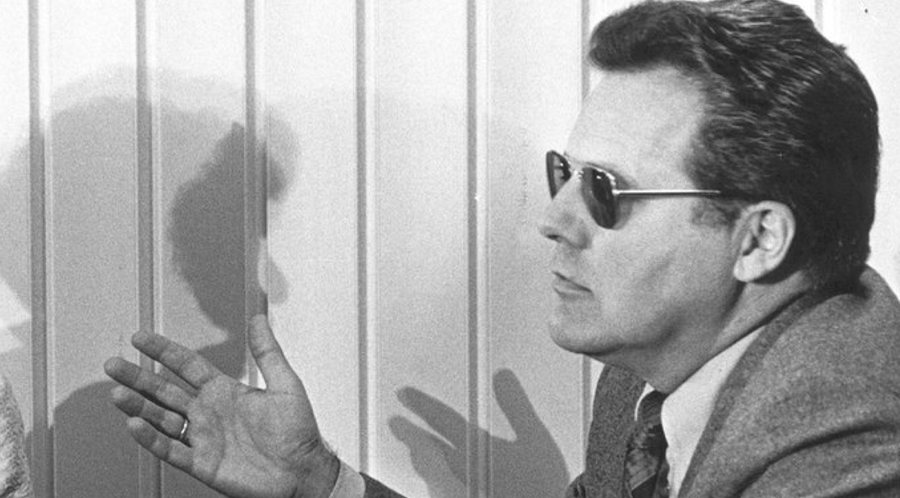
No East German secret agent, up to that point, had managed to get so close to the West German powerhouses. The protagonist of this enterprise was Günter Karl Heinz Guillaume. Here's how he did it
In Bonn, in the early hours of the morning of April 24, 1974, the police of the Federal Republic of Germany proceeded to arrest Günter Karl Heinz Guillaume and his wife Christel. The couple was accused of espionage and treason. A large-scale scandal was looming on the horizon, which would shake the foundations of the West German political system. In fact, Guillaume was not only one of the countless spies of the East infiltrated here behind the Iron Curtain, but he was also one of the closest collaborators of Willy Brandt, Chancellor of the Federal Republic of Germany and a proponent of the so-called Ostpolitik, that is, the politics inclined towards openness towards the communist countries of Eastern Europe. For two years in a row, Guillaume had been his advisor, had access to secret documents, sensitive documents, letters exchanged between heads of government regarding the most delicate issues and even the most reserved plans of NATO. All the news that was thanks to him reached East Berlin and then undoubtedly ended up in the desks of the heads of the secret services in Moscow.
But how had an East German agent managed to cover such an important post on the other side of the Wall? With the beginning of the Cold War, an extremely fierce confrontation was caused between the Western secret services and those of the communist countries, in a framework of rigid ideologies pitted against each other. On the one hand, both blocs sought to protect themselves from the adversary and, on the other hand, to penetrate it with all available means of aggressive espionage. Especially in the German Democratic Republic (GDR), the STASI (Ministry of State Security) tasked its espionage-counter-espionage service (HVA, Hauptverwaltung Aufklärung ), headed by the enigmatic Markus Wolf, to pursue two vital missions. On the domestic front, it closely controlled all citizens, seeking to individualize "cold" elements or those hostile to the regime, spying on persons considered only potentially suspicious (among them artists, journalists and leaders).
While abroad, Wolf had to seek to activate an unprecedented infiltration of the most important apparatuses of the Federal Republic, not only to know ahead of time the movements of Bonn (the capital of the Federal Republic of Germany) and the free world, but also to seek to "influence" Western political leaders, in order to ensure concessions and concessions in favor of communist countries. A system that provided the STASI with spectacular successes. Political parties and institutions of Federal Germany turned out to be heavily infiltrated. On the other hand, Markus Wolf used the most original and unexpected means, leading you to "romanticism", plenty to achieve the predetermined objectives.
So, handsome secret agents (significantly named Romeo) put you behind single secretaries who are no longer young, but who have been associates of high-ranking officials or high-level political officials in Germany or the rest of the West. Often the next Romeo would go so far as to marry his victim, demonstrating for years a romantic and sensitive husband, while he was actually seeking to deliver - through his wife - useful news. Specularly, there were also beautiful Juliets, trained to seduce Western diplomats and military men who were often quite talkative in bed. The most significant success of Markus Wolf was undoubtedly the infiltration carried out by Günter Guillaume at the top of the Federal Chancellery.
Born in 1927 in Berlin, according to some historians (notably Götz Aly), Guillame had joined the Hitler Youth from 1944 to 1945. But at the end of the war he began to show sympathy for the Communists. After collaborating for some time with an East Berlin newspaper between 1950 and 1956, he is recruited by the STASI spy service. In 1951 he married Christel Boom, also an agent at Markus Wolf's school. At the end of the training, the couple was entrusted with a long-term mission: to first become "handling officers", that is, recruiters of new spies in the country, and then to integrate into the political and social fabric of the Federal Republic to seek to climb to the top of the institutions . On the other hand, both of them seemed capable and prepared and they also seemed very connected in the professional and personal plan. In the wake of hundreds of thousands of Germans who, before the construction of the Wall (it was erected in 1961), crossed from East Berlin to West Berlin, Guillaume and Christel had no difficulty in reaching the Federal Republic of Germany. After a first stay in West Berlin, they then moved to Frankfurt am Main, where they undertook their secret activity with high professionalism.
Në fillimim menaxhuan një kafene, ku u çmuan për ngrohtësinë dhe disponueshmërinë e tyre, kështu që u afruan me Partinë Socialdemokrate (SPD) për ka konsoliduar përfundimisht koperturën e tyre. Në politikë ditën të dy që të binin shpejt në sy për impenjimin dhe përkushtimin e tyre. Kështu ai, pasi kishte siguruar role me përgjegjësi të ulët, u bë në vitin 1964 këshilltar komunal, ndërsa ajo pati detyra të rëndësishme në sektorin administrative. Një çift i vlerësuar dhe përtej çdo dyshimi. Nga ana e tij, Günter ndiqte pa hezitim ngjitjen e tij drejt majave. Në vitin 1969 drejtoi fushatën elektorale e Ministrit të Transporteve Georg Leber, i cili ia vlerësoi shumë dhuntitë prej organizatori dhe promotori. Kështu, pas zgjedhjeve, Guillaume u shpërblye me emërimin si këshilltar ekonomik e financiar pranë Kancelarisë Federale. Objektivi ishte vërtet shumë afër. Atëhere dyfishin përpjekjet e tij dhe, i ndihmuar edhe nga cilësitë e tij të padyshimta intelektuale, idhtar i shtirur ideologjik për vlerat perëndimore dhe dashurinë pas punës, në vitin 1972 u bë këshilltar personal i Willy Brandt, ish kryebashkiak i Berlinit Perëndimor, i emëruar Kancelar në vitin 1969. Në Berlinin Lindor, Markus Wolf fluturoi nga gëzimi. Pas shumë vitesh në pritje, më së fundi mund të thoshte se projekti i tij ishte realizuar me sukses. Kishte vendosur një gurin e tij përkrah njërit prej drejtuesve më të rëndësishëm të Europës Perëndimore dhe të botës së lirë.
Falë postit të tij për shumë vite, Guillaume praktikisht i përmbyti shërbimet sekrete e Republikës Demokratike Gjermane me një lumë dokumentash skerete lidhur me SPD-në, qeverinë e Bonn, NATO-n, raportet franko – gjermane dhe Europën. Letra me rëndësi kapitale si, për shembull, letra personale e Richard Nixon për Brandt lidhur me dispozitat përfundimtare rreth dispozitivit të ri të sigurisë së NATO-s përballë forcimit të lajmëruar ushtarak të bllokut lindor.
Por kundërspiunazhi i Republikës Federale Gjermane kishte filluar ta nuhaste rrezikun dhe të aktivizohej, duke konstatuar rrjedhje të pashpjegueshme lajmesh. Siç ndodh shpesh në çështjet e spiunazhit, qe fati që i dha një dorë investiguesve lidhur me gjurmët e spiunit. Dy agjentë të “trajtuar” nga Guillaume u zbuluan dhe u arrestuan. Njëri kishte shkruar në disa letra pikërisht emrin Günter, kurse tjetri numrin e tij të telefonit. Një element i mëtejshëm fatlim qe se spiunazhi gjermanolindor kishte një zakon të çuditshëm: e kishte normë që t’u dërgonte agjentëve të tij urime për ditëlindjet. Tani, shërbimet e Bonn kishin konstatuar se disa prej këtyre telegrameve të urimeve, të interceptuara dhe të dekodifikuara, i qenë dërguar një çifti jo të identifikuar spiunësh, ditëlindjet e të cilëve korrespondonin pikërisht me ato të Guillaume dhe të bashkëshortes së tij. nga ky moment, të dy filluan që t’i nënshtroheshin një survejimi të rreptë.
Shumë prej investigatorëve dyshonin se bëhej fjalë për të njëjtit njerëz. Këshilltari “personal” i Brandt dhe drejtuesja e devotshme administrative e SPD-së qenë spiunë? Nuk ishte e mundur. Duhej të kishte ndonjë gabim, ndonjë keqkuptim. Megjithatë, konfirmimi përfundimtar erdhi nga kundërspiunazhi francez që kishte individualizuar dhe kapur një agjent të Lindjes, të cilin shpesh Guillaume e përdorte si korreir. Me pak fjalë, të gjitha të dhënat përfunduan duke u rakorduar: nuk mund të kihej dyshime. Megjithëse pa dashje, Brandt i lejonte këshilltarit të tij që t’i kalonte informacione sekrete armikut. I duhej dhënë fund kësaj situate të rrezikshme.
Më 6 maj të vitit 1974, pak ditë pas arrestimit të Guillaume, i mbërthyer nga skandali, Willy Brandt u detyrua që të japë dorëheqjen: tashmë ndodhej në qendër polemikash shumë të forta politike e diplomatike, që e vunë në krizë Partinë Socialdemokrate dhe në convulsion të gjithë botën politike të Republikës Federale Gjermane. Përfundimisht, kërkohej nga shumë, Brandt e dinte apo nuk e dinte se kush ishte? Dhe politika e tij e hapjes ndaj Republikës Demoratike Gjermane ishte influencuar (apo, më keq, diktuar) nga një spiun i Berlinit Lindor? Arrestimi i Guillaume pati veç të tjerash efekte paradoksale. U lehtësua sit ë thuash ajo Ostpolitik që në fakt vetë Markus Wolf e dëshironte fuqimisht: rënia e Brandt dhe fundi i karrierës së tij nuk qenë sigurisht në interesin e Berlinit Lindor, i konsideruar si politika e hapjes e promovuar nga Kancelari Federal. Kështu, nëse afera Guillaume qe një sukses i jashtëzakonshëm në planin e teknikës së spiunazhit (pak agjentë kishin arritur të shkonin kaq lart në infiltrimin e institucioneve armike), përfundimi dramatik i saj mund të konsiderohet në fakt si një shuplakë politike për Republikën Demokratike Gjermane. Megjithatë, me tejkalimin e shokut të shkaktuar nga skandali, Ostpolitiku u rigjallërua gradualisht dhe me fakt më të madh (edhe në konsideratë të evolucionit të situatës ndërkombëtare) nga Kancelari Helmut Schmidt, pasuesi i Brandt, e ndjekur dhe e tejkaluar edhe nga Kancelari Helmut Kohl, që në vitin 1990 e udhëhoqi vendin e tij drejt ribashkimit.
Guillaume was sentenced in December 1975 to 13 years in prison; his wife Christel of 8 years. In 1981, according to a common practice in the secret services during the Cold War, the couple were exchanged for 44 convicts released from communist Germany. Upon their return to their homeland, the spies were officially celebrated as "artisans of peace" and decorated with the Order of Karl Marx. Günter gave you the rank of STASI Colonel and was considered a point of reference for all agents in training at Markus Wolf's school. The protagonist of one of the most sensational post-war espionage affairs, the symbol of the division of Germany caused by the Cold War, lived long enough to assist in the fall of communism and the dissolution of the STASI. died in Berlin in 1955, in a recently reunified country where the words "east" and "west" had returned to their original geographical meaning. / Bota.al




Lini një Përgjigje