


 Shkruar nga Pamfleti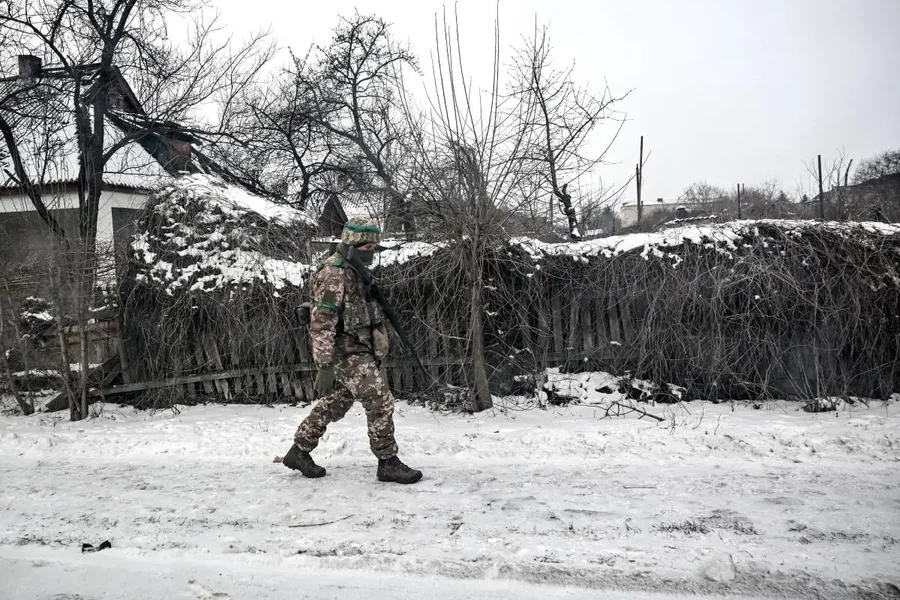
Moscow is using digital networks and promises of jobs to recruit mercenaries from Asia, using deception and easy money. Here's what's happening...
Since the outbreak of the war in Ukraine, Russia has intensified its recruitment of foreign fighters from Southeast Asia, utilizing complex networks that combine social media, employment agencies and promises of work abroad.
Recent cases have highlighted dramatic journeys. Some have been sent to the front lines with only a week of training and no knowledge of the language, while others have been killed after being abandoned wounded on the battlefield. Others have been lured by seemingly legitimate job offers, with high salaries and the prospect of reaching Europe. Others talk of salaries in rubles far higher than they can secure in their countries of origin. Such episodes reveal two sides of the same strategy by Moscow.
Putin's movement
According to an analysis by The Diplomat, the phenomenon is not limited to Southeast Asia, but extends to a pattern of systematic exploitation in developing countries. Russia has formalized this type of recruitment with a 2025 decree that allows foreign nationals to join the ranks of the army during mobilizations, while digital and social media operations promote the illusion of legitimate opportunities.
Many of the Asian mercenaries are tricked through online job postings, very short training courses and incomprehensible contractual documents, before being sent directly to the front. Some journalists have noted parallels with employment scams in Myanmar and Cambodia, where middlemen take advantage of poverty and a lack of alternatives, providing profits for organizations operating behind the scenes.
The distinction between volunteers who sign up for financial gain and victims of human trafficking is crucial. According to legal experts, those who are deceived should be treated as victims of exploitation, with the right to repatriation and international protection, while genuine volunteers risk criminal sanctions in their home countries.
Most affected areas
The geopolitical and legal implications are complex. Countries like the Philippines have shown effective intervention capacity, identifying potential victims and providing psychological and legal assistance, while Indonesia has responded by revoking the citizenship of its mercenaries involved, sending a clear deterrent message.
In any case, most recruitment networks remain outside state jurisdiction, operating through global digital platforms that make international coordination difficult. The lack of diplomatic action and accountability mechanisms allows Russia to operate with impunity, while individual states must balance the protection of their citizens with sensitive relations with Moscow.
The recruitment of "mercenaries" from Asia risks being consolidated as a permanent structure, with long-term consequences for regional security, internal stability and the management of the difficult return of experienced fighters. /Adapted from Pamphlet /






Lini një Përgjigje