


 Shkruar nga Sarang Shidore
The panorama that is emerging on the horizon is neither a revival of the old order nor the construction of an entirely new order. Such a world will be less top-down and more self-organizing, guided by pragmatism rather than ideology...
Before the Trump administration focused its attention on Venezuela, its main act of global shock was a package of trade tariffs. When these went into effect on world trade, the reaction was shocking but not unexpected.
President Trump and his advisers had long promoted tariffs as a quick fix for the US economy's woes. However, the international response was surprising. Apart from China and Canada, almost no one retaliated.
Instead, many countries lined up to sign agreements with the United States, often putting themselves at a disadvantage. Some, like Malaysia and Cambodia, accepted intrusive clauses that regulated their economic relations with other countries.
Global reactions were equally muted to other acts of American unilateralism: the withdrawal from the World Health Organization, UNESCO, and the Paris Climate Agreement; the dismantling of the American foreign assistance program (USAID); and major cuts to United Nations funding.
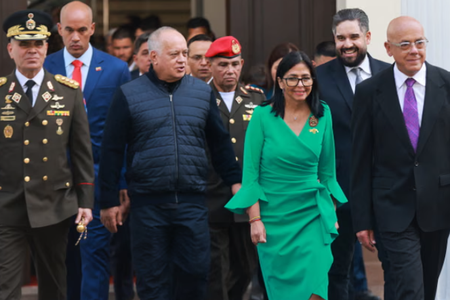
The expanded travel bans to the Americas, mainly targeting African countries, were met with calm across much of the continent. Similar caution accompanied the kidnapping of Nicolás Maduro.
This apparent surrender conceals a deeper development. The United States remains powerful and capable of imposing its will, but the era of unipolar supremacy is over. The Trump administration's aggression is best understood as an outburst of extreme unilateralism.
But in the fog of transition, new patterns of interaction are emerging. As America’s global dominance fades, a new order is taking shape, whether Washington acknowledges it or not. With its tariff offensive, America struck at the very foundations of globalization.
But despite claims of a “new global model,” the rest of the world—especially countries in the Global South—are continuing and even deepening trade integration.
There are exceptions, such as Mexico, but new bilateral agreements were signed by countries such as Canada, India, Indonesia, Malaysia, New Zealand and Peru in 2025. Regional blocs are also showing dynamism.
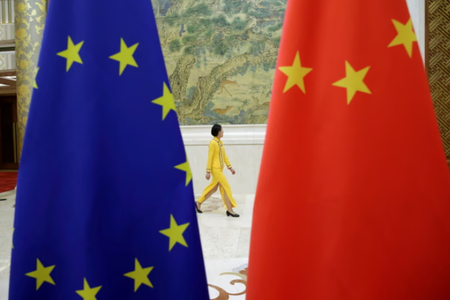
China and the Association of Southeast Asian Nations expanded their free trade agreement to include the digital and green sectors. The European Union launched talks with a major trans-Pacific bloc and led to the approval of a historic deal with MERCOSUR, the main South American bloc.
Globalizimi mund të jetë sot një fjalë e pistë në Amerikë, por për pjesën më të madhe të botës ai mbetet i gjallë. Shtetet e Bashkuara kanë ushtruar presion për marrëveshje asimetrike mbi mineralet kritike, duke kufizuar autonominë e disa vendeve të pasura me burime. Por kjo nuk është e gjithë historia.
Duke ndjekur shembullin e Kilit dhe Indonezisë në zhvillimin e rezervave të litiumit dhe nikelit, Vietnami dhe Zimbabve kanë intensifikuar përpjekje të ngjashme. Madje vendet në rajonin e Sahelit kanë shtetëzuar asetet minerare të zotëruara nga Perëndimi.
Armiqësia e Amerikës ndaj tranzicionit energjetik është pritur kryesisht me indiferencë. Kina është tashmë gjiganti i padiskutueshëm i energjive të rinovueshme dhe Jugu Global po ndjek shembullin e saj. Nepali, Singapori, Tajlanda, Uruguai, Vietnami dhe të tjerë po e lënë pas SHBA-në në shitjet e automjeteve elektrike.
Afrika dhe Azia Jugore po përjetojnë rritje të instalimeve diellore. Ndërkohë, grupi i vendeve në zhvillim i njohur si BRICS vazhdon të mbrojë multilateralizmin. Anëtarësimi i Indonezisë vitin e kaluar dhe shtimi i Malajzisë, Tajlandës dhe Nigerisë si “vende partnere” e ka rritur besueshmërinë dhe shtrirjen e tij.
Megjithëse BRICS mbetet i fragmentuar dhe përballet me sfidën e “Amerika e para”, ai ofron një arenë për bashkëpunim jashtë orbitës amerikane. Është e vërtetë që pjesë të Amerikës Latine po bien nën hijen e Uashingtonit në një ringjallje të Doktrinës Monro, diçka që e bën të qartë rrëzimi i Maduros.
Por pjesa tjetër e botës po ecën në drejtim të kundërt. Në këtë kuadër, presioni nga ana e Shteteve të Bashkuara që aleatët evropianë të marrin më shumë përgjegjësi për mbrojtjen e tyre mund të jetë një bekim i maskuar.
Kontinenti po detyrohet të përballet me dilemat mes frenimit të Rusisë dhe gjetjes së një paqeje të qëndrueshme në Ukrainë. Në Azi, zhvillimet janë edhe më domethënëse. Duke balancuar mes Kinës dhe Shteteve të Bashkuara, shumë vende aziatike vazhdojnë ta mirëpresin Pekinin në përpjekjet rajonale për zgjidhjen e konflikteve.
Megjithatë, ato po nënshkruajnë një sërë marrëveshjesh të reja bilaterale të sigurisë për të kundërshtuar ndikimin e tepruar të Kinës dhe po forcojnë kapacitetet e tyre mbrojtëse, si mënyra më e besueshme për të rritur kostot për një agresor të mundshëm.
Pamja që po shfaqet nuk është as ringjallje e rendit të vjetër, as ndërtim i një rendi krejtësisht të ri. Përkundrazi, rendi i ri është një përzierje e shumë elementëve, ngjashëm me gjellën tradicionale indiane khichdi, një përzierje me oriz dhe thjerrëza.
Mund të duket i çrregullt, por pastron trupin dhe ndërton rezistencë. Një botë e tillë do të jetë më pak e drejtuar nga lart-poshtë dhe më shumë e vetë-organizuar, e udhëhequr nga pragmatizmi sesa ideologjia.
Në një të ardhme të tillë, G20 dhe BRICS mund të shfaqen si organe koordinuese për menaxhimin e krizave në nivel global, idealisht plotësuese të një OKB-je të reformuar.
But much of the dynamism is likely to come from entrepreneurial countries, not just the larger ones.
Small island states already have a disproportionate impact on climate issues. The formation of a new group of open-trade states, including Morocco, Costa Rica and Norway, shows the promise of things to come.
The reconfiguration of the world beyond the United States will not be smooth. There will be setbacks and bumps, including conflict and instability. But the emergence of a new order has rarely been orderly. There is no reason to think this time will be any different. / Adapted from “Pamphlet” by “The New York Times”
Note: Sarang Shidore is director of the Global South program at the Quincy Institute for Responsible Statecraft.



Lini një Përgjigje