


 Shkruar nga Pamfleti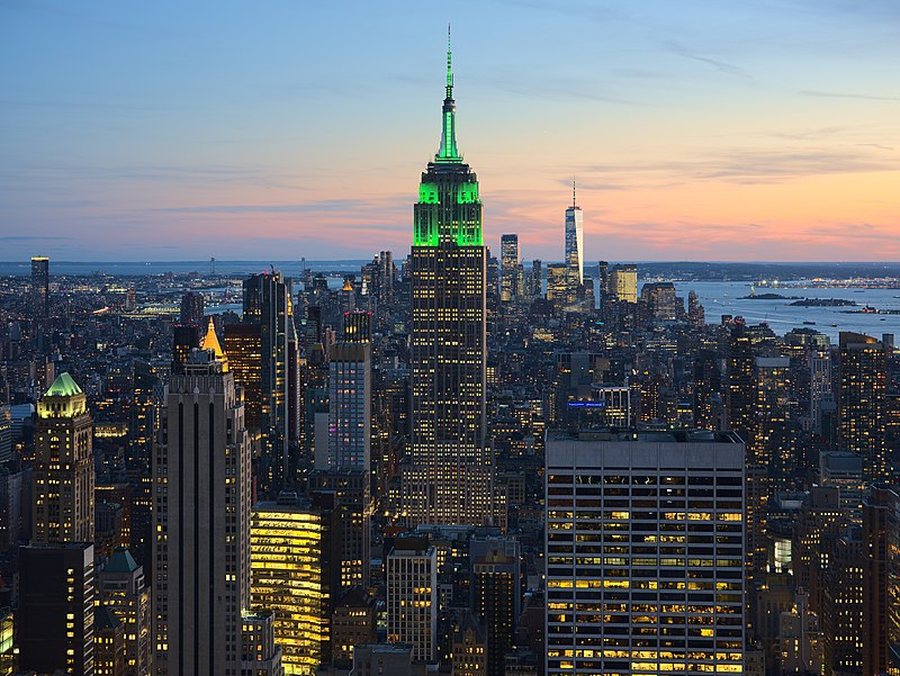
The first toll scheme to prevent congestion from vehicles in the US has gone into effect in New York.
Car drivers will pay up to $9 a day, with different rates for other vehicles.
The congested area covers a perimeter south of Central Park, including popular locations such as the Empire State Building, Times Square and the financial district around Wall Street.
The scheme aims to ease New York's notorious traffic woes and raise billions for the public transport network, but has faced resistance, including from famous New Yorker and President-elect Donald Trump.
A congestion charge was first promoted by New York state Gov. Kathy Hochul two years ago, but was delayed and revised after complaints from some commuters and businesses.
The new plan reinstates a scheme she banned in June, saying it had "too many unintended consequences for New Yorkers."
Most drivers will pay $9 once a day to enter the congestion zone during peak hours, and $2.25 at other times.
Small trucks and non-passenger buses will pay $14.40 to enter Manhattan during rush hour, while large trucks and tour buses will pay a toll of $21.60.
This fee has been met with many objections, including those from taxi drivers' associations.
But the strongest dissenting voice is that of Donald Trump, a New York resident who has promised to cancel the scheme when he returns to office this month. Local Republicans have already asked him to intervene.
Congressman Mike Laeller, who represents a suburban district north of New York City, asked Trump in November to commit to "ending this absurd congestion charge robbery once and for all."
A judge rejected a last-minute effort Friday by officials in neighboring New Jersey to block the scheme because of its environmental impact on adjacent areas.
Last year, New York City was named the world's most congested urban area for the second year in a row, according to INRIX, a traffic data analysis firm.





Lini një Përgjigje