


 Shkruar nga Pamfleti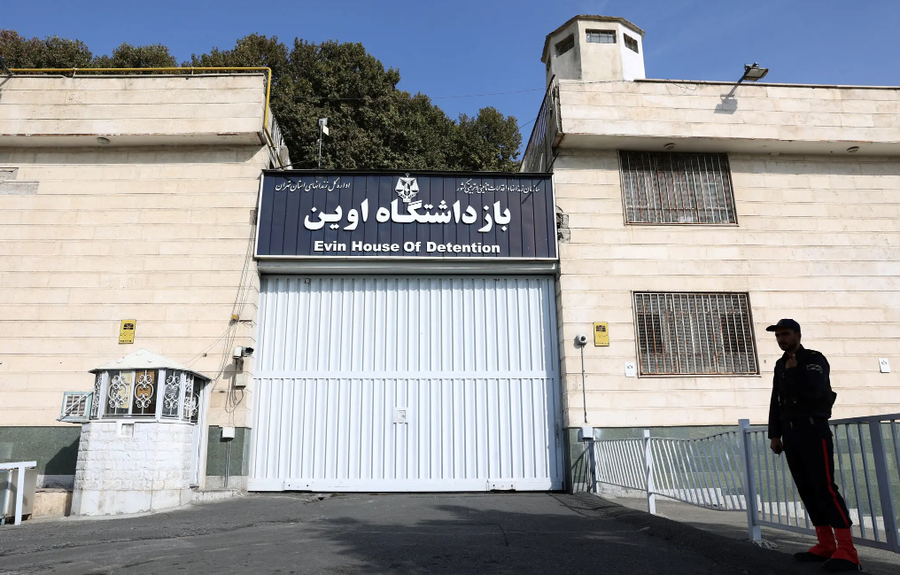
The Biden administration agreed last week to a deal with Iran that, if all goes according to plan, will pave the way for five American citizens to return home after lengthy prison terms on trumped-up charges. For them and their families, the deal is a godsend.
The price for Tehran? $6 billion in frozen Iranian oil revenues held in South Korea to be disbursed through a special Qatari fund for humanitarian purchases, along with the release of several Iranians held in US prisons for sanctions violations to Tehran. The deal is also likely to be linked to efforts to restart nuclear talks with Iran, although the administration insists the nuclear and hostage files remain separate.
Before we get to all that is wrong with the deal, let's acknowledge what is right.
Prisoners and their families have been put through hell: One of them, Morad Tahbaz, lost 88 kilograms in prison, according to his sister; another, Siamak Namazi, has been closed for over 2,800 days. Prison service is more than just a moral imperative: Americans deserve to know that their government will never abandon them in foreign dungeons. And it is not a sign of weakness when democratic governments pay large sums for the release of hostages. In Israel, Ariel Sharon and Benjamin Netanyahu each released hundreds of Arab prisoners to secure the release of a single Israeli hostage alive.
But there are also bad deals with unintended consequences, writes The New York Times to which Top Channel refers. There are many here.
Start with the prisoners. The five who may soon return home aren't the only ones with a claim on the administration's conscience. There is also Shahab Dalili, a US permanent resident whose wife and sons are Americans and who has been imprisoned in Tehran since 2016. The fact that he is not a US citizen may be an excuse to treat his case separately. separately, but the administration recently obtained the release from Rwandan prison of another permanent resident in the US, Paul Rusesabagina of "Hotel Rwanda" fame.
Dalil is not famous. But leaving behind the same thought that left Paul Whelan to suffer in a remote Russian penal colony for more than four years, even as basketball star Brittney Griner was brought home after 10 months. Then there's the $1.2 billion price tag. The administration argues that this costs American taxpayers nothing because the money was Iran's to begin with and that the Qataris will ensure that it is spent only on food, medicine and other basics.
But money is fungible: every dollar the Iranian regime doesn't spend on the basics can be used for other regime priorities, such as buying surveillance technology from China, torturing women, funding terrorist proxies, and attacking service members. american. How much will the Americans have to spend to help defend Ukrainian airspace against the Iranian-made kamikaze drones that Russia is using to attack civilians in Kharkiv or Kiev?
There is also a precedent. Iran's leaders have learned that an excellent way to erode US sanctions is to take more hostages. They have also learned to treat $1.2 billion as the base price for their eventual release.
This is a lesson not only for Iran, but also for other hostage-taking regimes, especially Russia. It's no coincidence that Moscow took the Wall Street Journal's Evan Gershkovich hostage in March, just three months after releasing Griner in exchange for notorious arms dealer Viktor Bout. What will it cost the US now to win Gershkovich back? And how soon after he's home until a new hostage is taken and new drama begins?
There is no need to doubt the administration's good intentions in arranging this deal: All administrations struggle with hostage dilemmas. But there is reason to doubt his judgment.
Rekordi i gjatë i negociatave me Republikën Islamike tregon se nuk ia vlen të paguhet Teherani. “Armiqësia e regjimit ndaj SHBA-së nuk është reaktive, por proaktive“- ka theksuar Wang Xiyue, një ish-peng i Teheranit. “Ajo mbijeton dhe lulëzon në armiqësinë e saj të vetëpërjetësuar kundër Perëndimit.” Larg nga zbutja e rrugës drejt një marrëveshjeje tjetër bërthamore me Iranin, siç shpreson administrata, marrëveshja e pengjeve do të thotë se Irani do të rrisë çmimin e tij, ndoshta përtej asaj që Presidenti Biden mund të përballojë politikisht të paguajë. Ndërkohë, me siguri do të merren edhe pengje të tjerë.
There is a better way. Every time Iran takes another hostage, the administration imposes another sanction. Whenever Iran or its proxies attack a single US military installation, the United States retaliates against multiple Iranian targets. Whenever Iran supplies offensive weapons to Russia or other rogue states, the United States supplies Ukraine with long-range fire and other advanced munitions.
" He pulls a knife, you pull a gun" is supposed to be the Chicago way, as the line from "The Untouchables" goes. If the administration wants better behavior from Iran, whether on nuclear weapons or hostages, it could benefit from using the same approach.







Lini një Përgjigje