


 Shkruar nga Pamfleti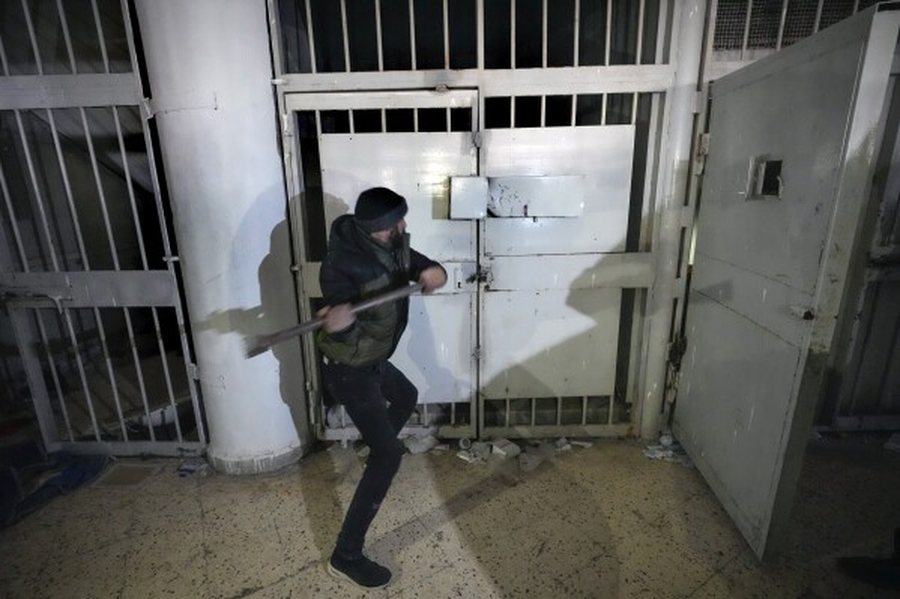
Here is the inhuman treatment that has been done to Syrians for years and years...
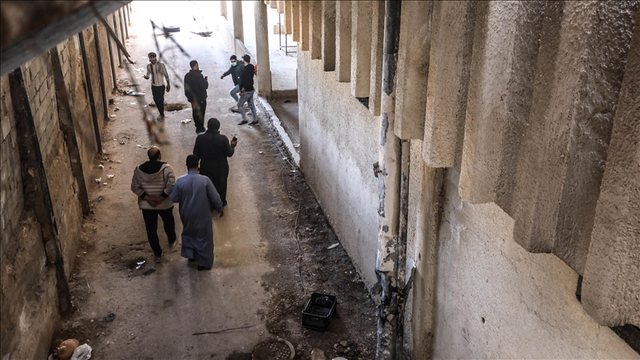
Until last Sunday, the repressive Syrian system was described by brave exiles, survivors and repentants of the regime itself. We knew about chains, torture, disappearances in prisons, about political prisoners in the cells of the Mukabarat, the secret service. However, these days Syria is intoxicated with the feeling that it can tell all about the power that no longer exists. And then ex-prisoners, survivors by chance or freed by the rebels on Sunday, women and men, filled the reporters' notebooks. To avoid horror porn, here is the alphabet of inhumanity that took shape behind the bars of the Assad dictatorship.
A like Anonymous. The prison guards wanted to remain faceless and nameless. They knew they were committing crimes for which they might one day pay and thus avoided recognition. As soon as they heard the blows of the batons on the bars, the prisoners had to lean with their faces against the wall so that the policeman could enter the cell without being seen. When a prisoner looked upon the face of a torturer, he knew that his death sentence had come.
B for blindfolded. Every prisoner who came out of the cell winked before leaving.
C- Chief . Each cell had a leader. On fixed days, once or twice a week, the guards asked the chief who were the four most unruly. If the boss told them, they were taken to the torture chamber to come back bleeding, if the boss didn't mention anyone, the torture fell to him.

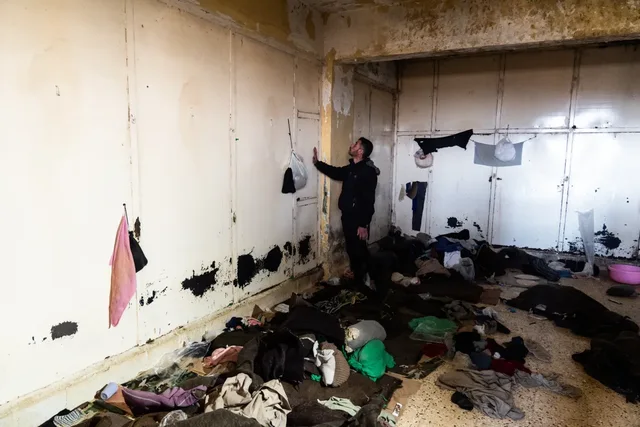
D for shower. Three times a month: naked, bent double and with their hands over their eyes so they couldn't see the guards on either side of them beating them. Then a splash of soap-free water and again in the same way, more beating. Ticks and fleas were endemic.
F for line. For training, interrogation, showering and shaving, the prisoners, who had to pass from one part of the prison to another, walked naked, bent in half, with their heads resting on the back of the one in front. .
M for doctors. In Sednaya there were two: Lujahin and "Son of a ku*ve". The second so called because it was the way he addressed his "patients". The first was famous because, instead of treating, he beat the sick and wounded.
N for number. In the prison, it was forbidden for prisoners to call each other by name, as they were assigned numbers inside.
Oh for the gold. For what relatives tried to pay for their relatives in prison to have better treatment or to be released.
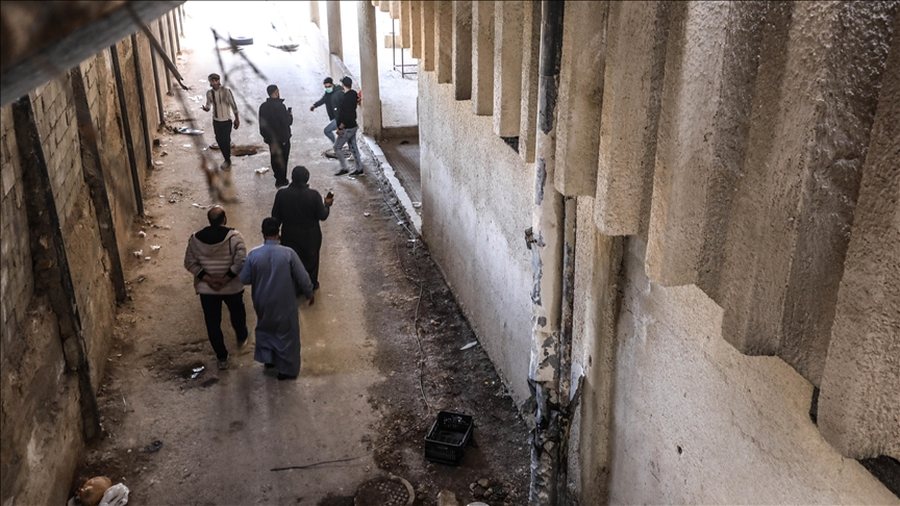
P for print. Used in Sednaya. It was not only used to kill, but also to break the prisoners' bones and leave them maimed and bleeding internally to die in the cell with the others.
R for religion. In Sednaya it was forbidden to say "Allah u akbar", God is great. It was necessary to say "Assad u akbar", Assad is great.
S is for rape. Systematic for women, a social stigma that should have prevented the whole family from opposing the dictatorship. Less common for men, but carried out with iron bars or by forcing other prisoners to commit violence.
T is for torture. Not just kicks and irons, but also tied for hours with hands behind the back and hanging from the ceiling. The prisoner had to balance on his tiptoes. Sooner or later he would give in and as he let go of his body, he would slowly pull out his shoulders. Then punches, insults and humiliations.
V is for visits. In theory, those arrested by judge's order were expected to be visited by their relatives every 45 days. In practice, the prisoners begged their relatives not to come.
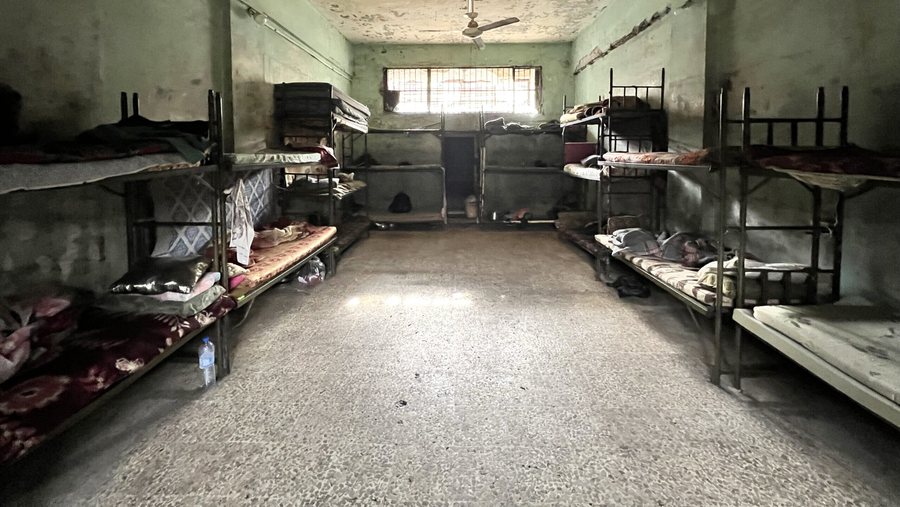
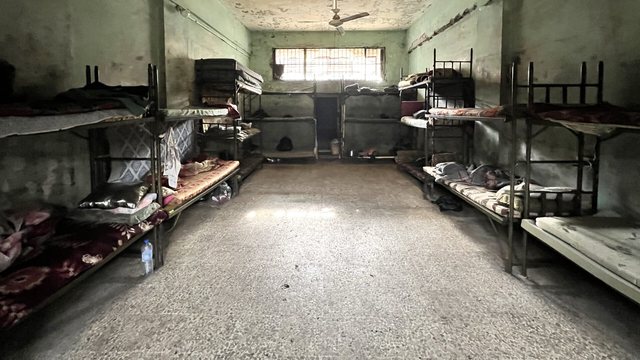
Y is for yogurt. Once a day the soldiers assigned to the service brought food to the cell. The ration was one kilogram of yogurt per cell. And it didn't matter if there were 25, 40 or 50 people there. The boss rotated the jar, everyone took a spoon, two at the most. Plus there were 7 olives each.
Z as in «Z» . Vassilis Vassilikos' novel about the dictatorship of the Greek colonels. In Albanian it was translated as "Orgy of power". The mechanisms of repression are similar in any dictatorship, they humiliate the person to remove the will to resist. It's amazing how, no matter how ruthless and bloody, they regularly fail. / Adapted "Pamphlet" from "Corriere Della Sera"








Lini një Përgjigje