


 Shkruar nga Pamfleti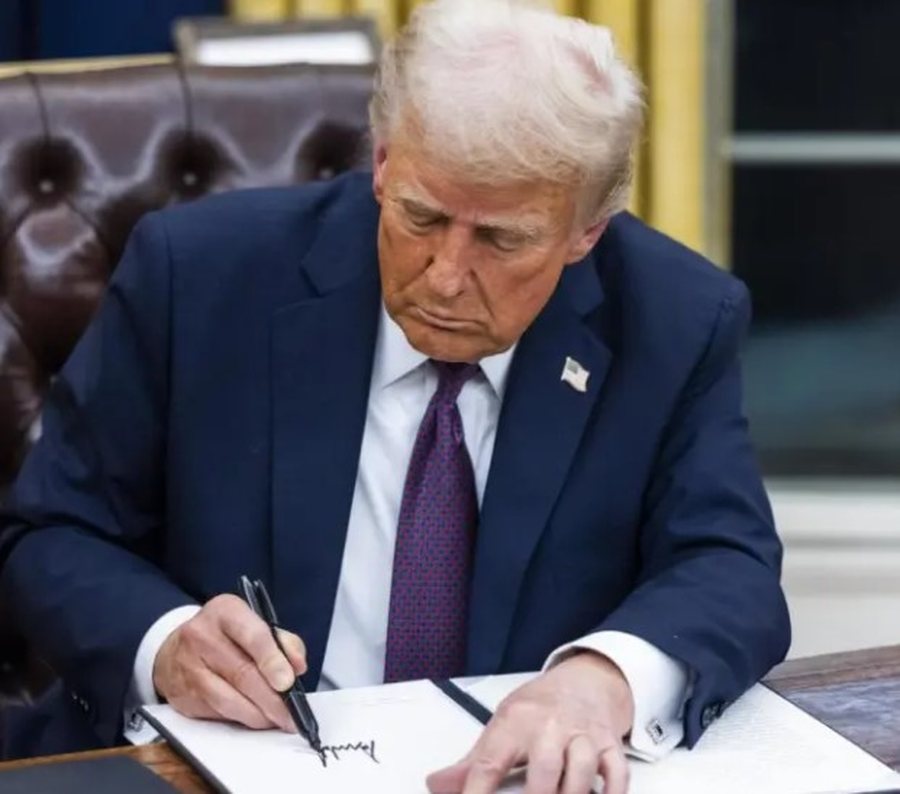
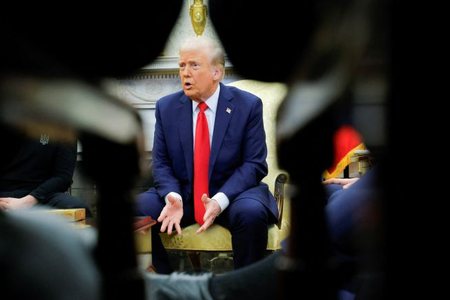
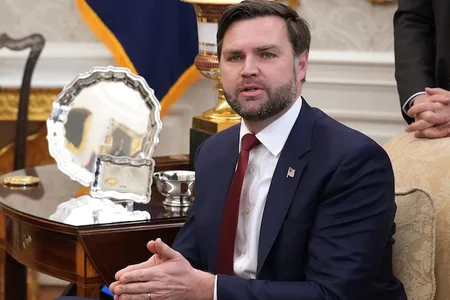
Since his return to the White House on January 20, 2025, President Donald Trump has signed a record number of executive orders, surpassing the figures of his predecessors in the same time period.
These orders have affected various areas, including:
Economy and Trade: Imposing high tariffs on steel and aluminum imports, and withdrawing from the Paris Climate Agreement.
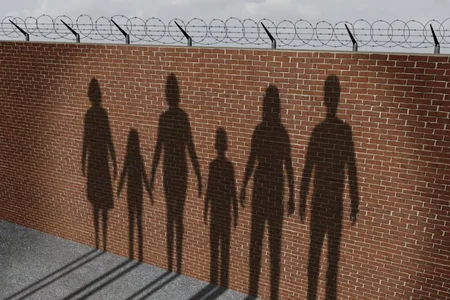
Immigration: Repealing previous policies, attempting to end citizenship for children of illegal immigrants, and declaring a national emergency on the border with Mexico.
Energy: Declaring an “energy emergency” to increase hydrocarbon production in the US and easing environmental regulations for the fossil fuel industry.
Civil Rights: Signing orders that limit protections for the LGBTQ+ community, including banning transgender individuals from the military and excluding them from women's sports. Many of these orders have faced legal opposition and have been challenged in the courts.
However, the Republican president's desire to fundamentally change American politics is also facing resistance: as of February 27, 16 of his executive orders have been challenged in court, according to the specialized "Just Security" website of New York University Law School.
Tariffs, support for fossil fuels, the creation of a state fund, the economy are at the center of the executive orders signed by Trump, 27 in total, based on an AFP count. Twelve are related to trade and tariffs.
The Republican declared an “energy emergency” to increase U.S. hydrocarbon production. Furthermore, calling the energy transition a “hoax,” he has signed executive orders against electric vehicles and wind energy development plans, while one executive order specifically dealt with plastic straws, the use of which he reinstated.
Some 14 executive orders issued by Trump address issues of inclusion, diversity and equality. Among them is one that recognizes that there are only two genders, male and female, and another that bans “trans ideology” in the military and seeks to exclude transgender individuals from the armed forces. All of these orders have been challenged in court.
Two executive orders prohibit government agencies and the military from making affirmative action hiring decisions based on gender or nationality. This is another issue that dominated Trump's election campaign, with 16 executive orders so far related - directly or indirectly - to it.
An executive order signed by the billionaire in late January said the refugee program is “harming the interests” of the country. Trump also issued an executive order that nullifies the law of the land, although several federal judges have blocked its implementation. The legal battle over the issue could reach the U.S. Supreme Court.
One of the latest executive orders signed by the Republican on Saturday provides for the recognition of English as the official language of the United States, repealing a provision in force since 2000 and during the presidency of George Clinton, which facilitated access to public services for "individuals with limited English proficiency."
Now, federal agencies will not be required to provide services in languages other than English, but will be at their discretion.
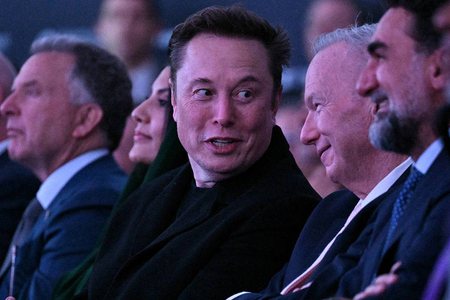
With six executive orders, Trump clarified the privileges of the Office of Government Efficiency (Doge), which is headed by Elon Musk and is tasked with limiting public spending.
At the same time, 13 of Trump's orders are health-related, including one that withdrew the US from the World Health Organization, another that blocks access to a government website with information on sexual and reproductive rights, or another that reverses Biden's previous orders that provided access to the abortion pill and protections for women who voluntarily terminated their pregnancies.
A close associate of Musk, the head of SpaceX and Tesla, Trump has signed 10 executive orders related to technology: three on artificial intelligence and two on cryptocurrencies.


Lini një Përgjigje