


 Shkruar nga Stefano Stefanini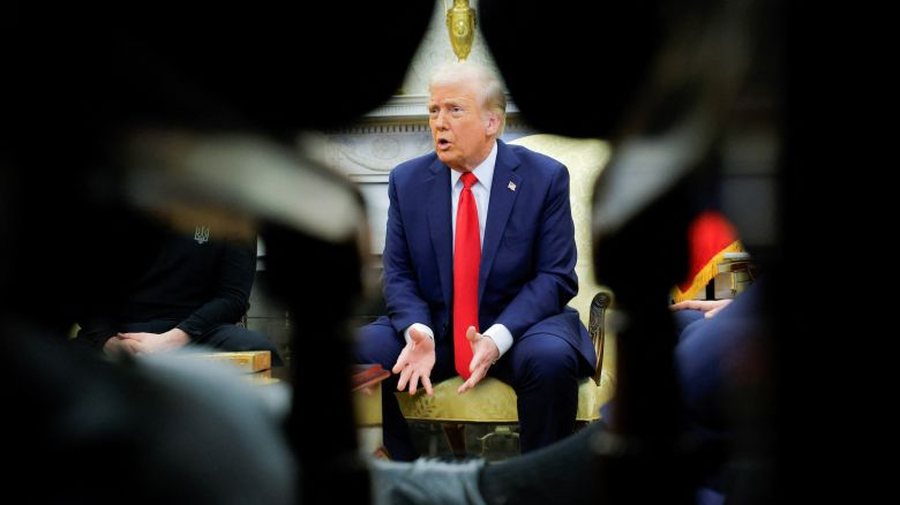
The conflict between Europe and America is no longer a science fiction scenario.
There and then he was out of breath. With a few speeches in two days, Donald Trump's representatives had demolished the certainties of 75 years of the Atlantic alliance. But now Europe is starting to get used to the idea of moving forward without the Americans. To protect itself.
And what will the Americans do from now on? Will they help us? Will they be neutral? Or will they openly quarrel with us? With Donald Trump, you never know what can happen. Not only because he has elevated unpredictability into a governing doctrine - and even worse, this is happening to friends - but because he treats Europe, and especially the EU, as an adversary.
Slightly lower than China, but higher than Russia. Will it be a rivalry limited to trade? Maybe. But for Trump, the trade surplus of countries like Germany or Italy is much more harmful to the US than our soldiers killed in Nasiriyah, Iraq, or Afghanistan.
From whom should Europe be able to defend itself and how? It seems like an academic question in the face of Russia-occupied Ukraine and Vladimir Putin's open revisionism, which could be pushed to the old borders of the former USSR, and therefore extend its tentacles to 3 countries that are part of the EU (Latvia, Estonia, Lithuania - the first two have strong Russian minorities) and Moldova, which has candidate status for the bloc.
But countries like Finland and Sweden, which were never Soviet countries or “satellites” of the USSR, also seem to feel threatened. Otherwise, they would not have rushed to join NATO. Or Poland, which already spends 5 percent of its GDP on defense.
Therefore, the main threat comes from Moscow, which in these 3 years of war in Ukraine has built, despite a modest GDP, a formidable machine of military and industrial capabilities that it supports. To feed itself, a war economy needs wars.
If Russia is not yet daring to encroach on the perimeter of the Atlantic Alliance - in fact it does so with a range of hybrid weapons, cyberattacks, disinformation campaigns, election interference - this is due to the deterrent effect that NATO has.
This effect is today largely associated with the US role in the alliance, including its nuclear umbrella. But it is disappearing as the new Secretary of Defense, Pete Hegseth, who has zero knowledge of the alliance, declares that European security is no longer a “core” commitment of the United States, and has less weight than border security with Canada and Mexico…
Hegseth ia kalon hapur topin evropianëve në lidhje me mbrojtjen e tyre konvencionale. Për pasojë, duhet të jenë ata që duhet të ofrojnë ndihmë dhe garanci për të ardhmen e Ukrainës. Megjithatë, ai siguroi se pasi të plotësohen këto kushte, SHBA do të ruajë angazhimin e saj ndaj NATO-s dhe “partneritetit të mbrojtjes që ka me Evropën”.
Edhe pse nuk i përmendi dy fjalët magjike - “ Neni 5” - ai ishte shumë kategorik. Evropianët duhet të marrin përgjegjësinë për mbrojtjen e kontinentit, dhe pastaj amerikanët do të vazhdojnë t’i ndihmojnë që ta bëjnë këtë (“fuqizimin e Evropës”).
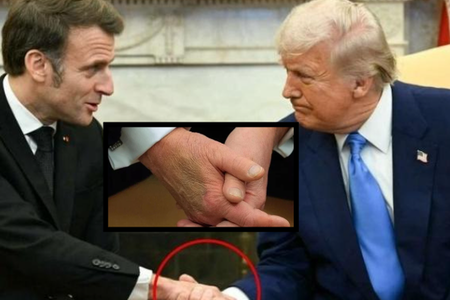
Dhe ky është sfondi mbi të cilin po lëvizin liderët evropianë, Emmanuel Macron dhe Keir Starmer shkuan së fundmi në Uashington për të takuar Trump. Ndërkohë kandidati për kancelarin e ri të Gjermanisë, Friedrich Merz, thotë se dëshiron ta bëjë Evropën “të pavarur” nga Shtetet e Bashkuara.
Perspektiva e një “Evrope pa SHBA-në”, por që nënkupton vazhdimin e ekzistencës së NATO-s, mbetet skenari më i besueshëm. Por jo i vetmi. Shtetet e Bashkuara kanë gjithmonë opsionin e shkëputjes nga Evropa dhe kthimit në neutralitetin e vjetër në dinamikën kontinentale. Izolacionizmi i viteve 1930 nuk ka vdekur kurrë, dhe Donald Trump (që pak ditë më parë tha: Ndryshe nga Evropa ne jemi të mbrojtur nga 2 oqeane të mrekullueshëm,) sigurisht që e preferon atë qasje ndaj ndërhyrjes.
Dhe në rastin e neutralitetit të SHBA-së, aftësia e Evropës për të mbrojtur veten e vetme bëhet më e vështirë, dhe shtohen jo pak sfidat nëse hiqet ombrella bërthamore amerikane. Gjithsesi kushtet e problemit nuk ndryshojnë rrënjësisht.
Por a mund të çojë shkëputja transatlantike, në një përplasje strategjike midis Evropës dhe Shteteve të Bashkuara? Jo, për sa kohë që Uashingtoni, edhe me Trumpin si president, vazhdon t’i kundërvihet Rusisë në skenën globale dhe mbajë nën kontroll.
Samiti mes dy presidentëve, do të mbyllë marrëveshjen e paqes për Ukrainën, nisë dialogun për sigurinë evropiane që Moska e synon prej kohësh - nga i cili megjithatë është e pamundur të përjashtohen evropianët - por pavarësisht uljes se tensionit dhe mundësive për bashkëpunim ekonomik, përballja ruso-amerikane vazhdon, edhe pse më e zbutur.
Dhe nëse vazhdon rivaliteti SHBA-Rusi, po kështu vazhdon edhe “partneriteti i mbrojtjes” SHBA-Evropë. Nga ana tjetër, gjërat ndryshojnë nëse Donald Trump dhe Vladimir Putin gjejnë një harmoni interesash që i jep presidentit rus dorë të lirë mbi Evropën.
Është më e vështirë të imagjinohet se çfarë do të merrte në këmbim Trump, pasi ai s’ka nevojë për miratimin e Rusisë për ta marrë me forcë Grenlandën. A mund ta ndajë Moskën nga Pekini? Nëse do të ndodhte kjo, Trump nuk do të kishte asnjë ngurrim për të nxjerrë në ankand pjesë të Evropës.
Në një skenar të tillë, kjo e fundit do të detyrohet të “mbrohet” edhe nga SHBA-ja. Jo ushtarakisht, por politikisht, në aspektin tregtar dhe kulturor. Më 6 mars, liderët evropianë do të mblidhen për të diskutuar se si ta mbrojnë Evropën.
My first advice: as few words as possible, and immediately some small concrete facts. And above all not another voluminous document from the EU Commission. Second advice: we should also think about the unthinkable, so we could find ourselves in the opposing camp with the USA. And not only in a vote at the United Nations. / Adapted "Pamphlet" from "La Stampa"


Lini një Përgjigje