


 Shkruar nga Pamfleti
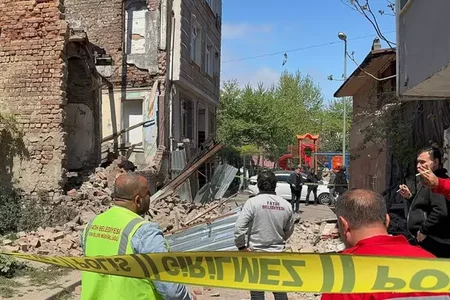
51 aftershocks have been recorded after the powerful 6.2 magnitude earthquake that struck Istanbul this morning, with its epicenter in the Sea of Marmara at a depth of 7 km, lasting for about 13 seconds.
According to Turkish Interior Minister Ali Yerlikaya, the epicenter was 24 km off the coast of Silivri and the earthquake was strongly felt in Istanbul and surrounding cities.
As of 3:12 p.m., a total of 51 aftershocks have been recorded, with the strongest having a magnitude of 5.9. Around 6,100 calls have been reported to the 112 emergency call center, mainly for information.
At least 151 people have been injured in the earthquake that struck Istanbul, the Turkish city's Governor's office announced.
Authorities are urging citizens not to panic and to follow only official information. They are also warning of the possibility of further aftershocks, so increased vigilance and caution are required.
What are aftershocks and how long do they last?
Aftershocks are small tremors that occur after a large main earthquake, and these tremors help to dissipate the energy in the Earth's crust generated by the main earthquake. Aftershocks usually occur immediately after the main earthquake and decrease in intensity over time. However, these tremors can still pose significant risks and cause additional damage, especially to weak structures. In regions located on active fault lines, such as Turkey, aftershocks are often observed, and therefore earthquake safety is of great importance.
Aftershocks occur during this process as the earth tries to return to its normal state. Although generally less severe, aftershocks can cause anxiety and increased danger after a major earthquake.







Lini një Përgjigje