


 Shkruar nga Pamfleti
The US president oscillates between declarations of military superiority and frustration over the lack of political results.
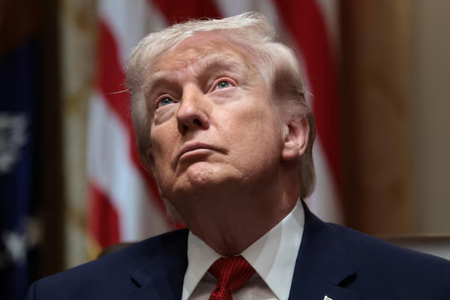
President Donald Trump has gone from declaring US military superiority to deep frustration that his chosen war is not producing the desired effects.
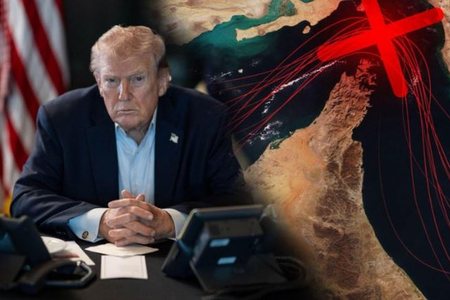
President Trump had just returned from the golf course, and his anger was growing. It was March 21, and as he settled into his Mar-a-Lago estate for the evening, he was reading another news report that emphasized that, despite U.S. military success in Iran, it had still not achieved its political goals. At 7:44 p.m., the president made his frustration clear with an unusual ultimatum: if Iran did not reopen the Strait of Hormuz within 48 hours and allow much of the world’s oil and gas to pass through, he would bomb Iran’s civilian power plants. Such an attack could constitute a war crime under the Geneva Conventions.
Just hours before Monday’s deadline, however, Trump extended the threat by five days, allaying fears of an immediate escalation with profound military, diplomatic and economic consequences. He warned, however, that “we will keep bombing and bombing and bombing” if Iran does not reach a deal. As the week wore on, he made new threats that unnerved allies and rattled markets. On Thursday afternoon, after Wall Street suffered its biggest one-day drop since the start of the war, he added another 10 days, again trying to calm the fears he had stoked.
It is too early to know whether the extra time will yield productive diplomacy. But it is already clear that Trump's swings from optimism to frustration and anger, from de-escalation to escalation, have given the war management an unstable, improvised character.
Since the United States launched the war on February 28, alongside Israel, Trump has vacillated between declarations of military superiority and frustration that tactical successes on the battlefield are not producing the strategic results he had envisioned. Although the supreme leader and many top military and intelligence officials have been killed, the regime in Tehran remains in control. Iranian leaders have almost completely closed the Strait of Hormuz, sharply raising gas prices and unsettling investors. Iran also retains control of the materials it needs to produce a nuclear weapon, the main threat Trump cited as a reason for entering the war.
Trump ka deklaruar se e kupton që lufta sjell kosto afatshkurtra, të cilat ai i konsideron çmim të nevojshëm për të siguruar që Irani të mos ketë armë bërthamore. Aleatët e tij kanë argumentuar se paparashikueshmëria e tij është një avantazh strategjik që i mban kundërshtarët në pasiguri. Megjithatë, kjo sugjeron edhe mungesë qëndrueshmërie në qëllime, ndërsa rreziqet e luftës rriten çdo ditë.
Trump kalon ditët i zhytur në zhvillimet e luftës, duke marrë disa informime në ditë në Zyrën Ovale ose në “Situation Room”. Disa prej tyre përfshijnë video të shkurtra me pamje të sulmeve ushtarake që shpërndahen edhe nga Komanda Qendrore e SHBA-së. Kur shqyrton vendime, ai kërkon mendimin e këshilltarëve të tij. Sipas zëdhënëses së Shtëpisë së Bardhë, Karoline Leavitt, presidenti i merr vendimet me synimin për fitore.
Trump merr këshilla ushtarake kryesisht nga Sekretari i Mbrojtjes Pete Hegseth dhe gjenerali Dan Caine, kryetar i Shefave të Përbashkët të Shtabit. Hegseth mbron publikisht politikat ushtarake, ndërsa Caine, një ish-pilot F-16 dhe lidhje me CIA-n, është ndërmjetësi kryesor për çështjet operacionale. Ai paraqet opsione, rreziqe dhe pasoja pa rekomanduar drejtpërdrejt një zgjedhje.
Kjo ndonjëherë e vendos gjeneralin Caine në pozita të vështira. Para fillimit të luftës, Trump deklaroi se Caine besonte se çdo veprim ushtarak kundër Iranit do të ishte “lehtësisht i fitueshëm”, gjë që nuk përputhej me atë që gjenerali kishte thënë në të vërtetë. Ky mospërputhje tregon se sa shumë kjo luftë po vë në provë mënyrën e zakonshme të Trump për të menaxhuar krizat.
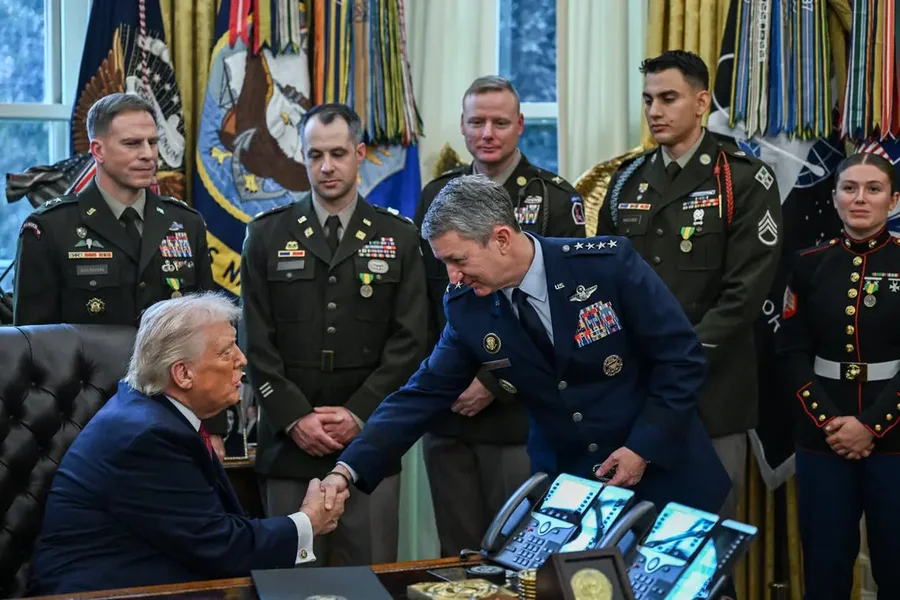
Historiani Julian E. Zelizer vlerëson se Trump e trajton luftën si një proces negocimi, por thekson se lufta është e shpejtë, e paparashikueshme dhe vdekjeprurëse. Sipas tij, metodat e zakonshme të presidentit, kërcënimet dhe presioni, nuk funksionojnë gjithmonë në këtë kontekst.
Ndryshe nga mandati i tij i parë, kur tregonte hezitim për përdorimin e forcës ushtarake, Trump tani e përqafon më hapur këtë mjet. Ai ka urdhëruar sulme ndaj objekteve bërthamore iraniane, operacione në Amerikën Latine dhe ndërhyrje të tjera ushtarake. Megjithatë, lufta në Iran është më komplekse, më pak e mbështetur dhe më e kushtueshme në jetë njerëzish. Deri tani, 13 ushtarë amerikanë kanë humbur jetën.
Presidenti këmbëngul se po bën atë që asnjë president tjetër nuk ka guxuar të bëjë. Megjithatë, qëndrimi i tij i drejtpërdrejtë është vënë në pikëpyetje, sidomos pas një sulmi me raketë ndaj një shkolle fillore në Iran, për të cilin fillimisht fajësoi Iranin dhe më pas tha se nuk kishte informacion të mjaftueshëm. Një hetim paraprak ka përcaktuar se përgjegjës ishte SHBA-ja.
Ndërkohë, objektivat e luftës kanë ndryshuar me kalimin e kohës. Trump ka hequr dorë nga disa synime fillestare, si mbështetja për ndryshim regjimi përmes një kryengritjeje popullore. Historiani Steven M. Gillon e përshkruan luftën si pasqyrim të stilit personal të Trump: e paqartë, e paorganizuar dhe e përqendruar te figura e tij.
Trump explains his approach with experience as a business negotiator, emphasizing that his decision-making is based on constant negotiations.
His allies defend the decision to go to war, saying the president is acting within his constitutional role to defend the country. However, the conflict remains unpopular among the American public. Trump launched the war without seeking congressional approval and without providing evidence of an imminent threat from Iran.
He has repeatedly changed the criteria for success, occasionally declaring victory while acknowledging that the mission is not over. He has demanded “unconditional surrender” from Iran, an objective that remains unclear in implementation.
Unlike previous presidents like Franklin D. Roosevelt, who built strong alliances during World War II, Trump has strained relations with allies and criticized them for a lack of support.
Meanwhile, the war continues and pressure on Iran increases. Trump warns of new attacks if no deal is reached, while the US sends more troops to the Middle East. Iran has publicly rejected offers of negotiations, but has signaled limited willingness for dialogue.
During a speech in Miami Beach, Trump declared that Iran was “begging for a deal.” At the same time, U.S. officials confirmed that Iran had struck a naval base in Saudi Arabia housing U.S. soldiers, wounding 12 of them, one of the most serious incidents during the conflict. /Adapted from the New York Times /


Lini një Përgjigje