


 Shkruar nga Nathan Levine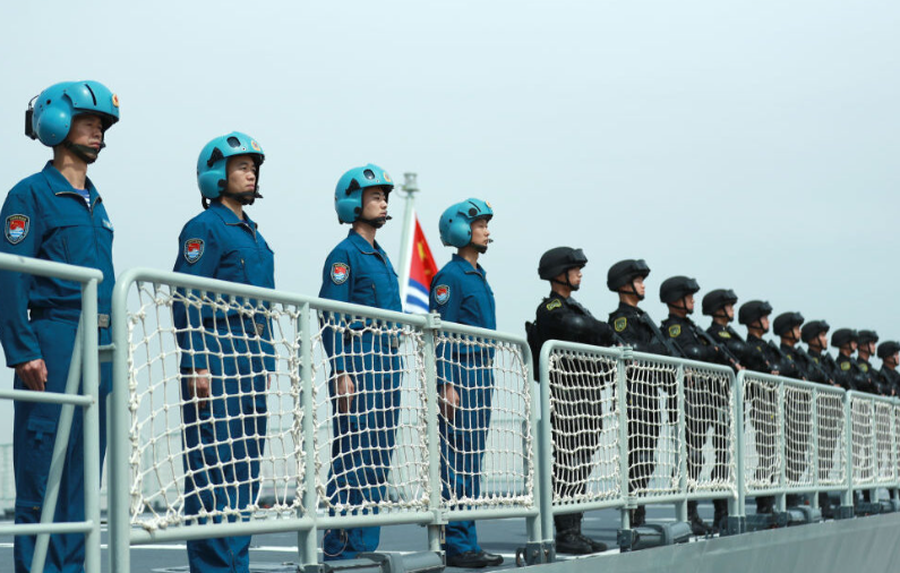
China becomes the de facto security provider in the Middle East. And this is nothing but a geopolitical coup...
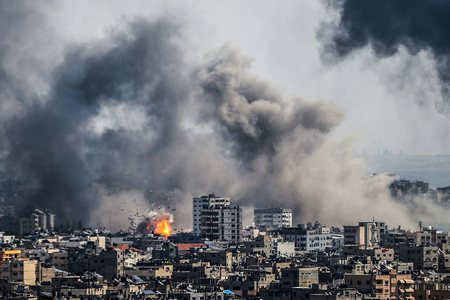
Arab tribes based in lost desert areas are changing the world again. Pirate attacks on international merchant ships by Yemen-based Houthi rebels have created a serious security crisis in the Red Sea.
The largest shipping lines in the world have been forced to suspend transit through the Red Sea and consequently the Suez Canal. And in conditions where almost 1/3 of global container traffic usually passes through Suez, this situation has damaged world trade quite a bit.
However, the crisis' most lasting impact may be on the geopolitical balance between two superpowers, each thousands of kilometers from the scorching sands of the Arabian Peninsula: China and the United States. As the largest trading nation in the world, China is at considerable risk from the stalemate in the Red Sea.
Europe is China's main trading partner, and more than 60 percent of this trade usually takes place through the Suez Canal. With the disruption of this route, ships are being forced to go to the Cape of Good Hope in South Africa, adding at least 2 weeks to the journey and significantly increasing shipping costs.
As of January 25, the average cost of shipping a 12-meter long container from Shanghai, China to Genoa, Italy rose to $6,365, a 464 percent increase compared to 2 months ago. Fees from insurance companies have also increased significantly.
Above all, Chinese companies have invested billions of dollars in assets in the region, such as buying a 20 percent stake in Port Said's east-side container terminal on the Suez Canal, which is already owned by Chinese state-owned shipping giant COSCO. .
As the pace of China's economic growth has begun to decline, the current crisis risks imposing a further decline on its economy. Perceiving this weakness, Washington has tried to use it as leverage to persuade Beijing to help end this crisis.
China is Iran's main economic and geopolitical backer, which in turn supports the Houthi rebels, using them as a tool to hit Israel, the United States and its allies. Some officials in Washington are convinced that if it really wanted to, Beijing could pressure Tehran to end the Houthi attacks.
The Financial Times reports that Biden administration officials "have repeatedly raised this issue with senior Chinese officials over the past 3 months." US National Security Advisor Jake Sullivan was recently in Thailand where he met with Chinese Foreign Minister Wang Yi.
But it seems that this diplomatic effort has failed. Apart from a very lukewarm public statement calling on "all relevant parties to ensure the safety of navigation in the Red Sea", Beijing has made no move to resolve the crisis.
On the contrary, he called on Washington not to "add fuel to the fire" in the Middle East. Meanwhile, the attacks in the Red Sea continue. Some officials in Washington are expressing their displeasure. For example, in late January Congressman Jake Auchincloss criticized China in a congressional hearing that “not only is it not actively supporting trade and international rules, but it is actually actively undermining the potential for a peaceful resolution of this crisis".
And according to him, the failure to intervene was just "another example of the Chinese Communist Party's malicious attempts at global leadership." Yet Auchincloss and his like-minded in Washington should perhaps be more careful what they wish for.
The truth is that for decades, or rather let's say for most of the last two centuries, it has been the USA that has served as the "guarantor of trade and respect for international rules".
It was the determination to protect maritime commerce from pirates that drove the United States to its first intervention in a foreign country, the Barbary Wars of 1801 and 1815, which forged its identity as an international actor once and for all.
If the nation was truly to become and remain a commercial republic, it meant that it had to, as then-President Thomas Jefferson put it, "supervise the security of our commerce, the resources of our strength and valor on every sea." Two centuries later, the US Navy still operates under the slogan "A Global Force for Good."
So America's entire image and reality as a superpower rests largely, like the British Empire before it, on its ability to secure global trade. And if there is any remaining piece of the "Pax Americana" upon which the entire last era of globalization was built, it is global trade.
Në këtë kontekst, zyrtarët e Uashingtonit duhet të marrin në konsideratë se çfarë do të thotë nëse Pekini do t'i dëgjonte lutjet e tyre, dhe do të merrte në fakt rolin e Amerikës si një ofrues sigurie. Në rast se kombet e botës do të nisnin t'i drejtoheshin Kinës për “udhëheqje globale” në vend të Shteteve të Bashkuara sa herë që anijet e tyre tregtare kanë nevojë për mbrojtje, kjo do të shënonte në mënyrë vendimtare kalimin nga një “shekull amerikan” në një “shekull kinez”, ashtu si Britania ia dorëzoi detet kolonisë së saj të dikurshme.
Madje Uashingtoni duhet ta konsiderojë veten me fat që deri më tani Pekini ka refuzuar të provojë këtë rol. Ndërkohë, përpjekja e vetë Amerikës për të kryer punën e saj të vjetër për sigurimin e rrugëve detare, ka rezultuar pak më shumë se një dështim. Përmes Marinës, SHBA u përpoq të zbatonte operacionin “Prosperity Guardian”, me një koalicion shumëkombësh forcash nën komandën e saj, që synonte të patrullonte ujërat në Detin e Kuq.
Por kjo përpjekje dështoi pothuajse menjëherë kur Franca, Italia dhe Spanja - për të cilat Uashingtoni tha para kohe se do të ishin pjesëtare - refuzuan të merrnin pjesë, duke thënë se nuk do të pranonin komandën e SHBA-së. Ndërkohë përveç Bahreinit, në të nuk mori pjesë asnjë vend i Lindjes së Mesme.
Ndaj Marina Amerikane po detyrohet të shoqërojë anijet që në fakt lundrojnë nën flamujt dhe titujt e tyre. Pra po shohim një shpërbërje reale në “rendin ndërkombëtar”, në kuptimin e ekzistencës së ndonjë rregulli - që dikur ishte imponuar nga fuqia amerikane. Po kthehemi në një botë më të vjetër, ne në të cilën nuk ka një “xhandar global”, dhe ku secili është i detyruar të mbrojë interesat e veta kombëtare.
Kinezët janë të mirë-përgatitur për të përfituar nga kjo situatë. Ndonëse tani për tani edhe COSCO e ka braktisur rrugën e Detit të Kuq, kompani më të vogla kineze kanë shfrytëzuar rastin për të mbushur boshllëkun. Për shembull, China United Lines (CULines) ka nxituar të hapë linjën “Red Sea Express”, që lidh Jeddah e Arabisë Saudite me portet kineze.
Ato janë në gjendje ta bëjnë këtë, sepse Houthit duket se janë urdhëruar prerë që të shmangin sulmin ndaj anijeve të lidhura me Kinën. Anijet që kalojnë ende në ngushticat në Detin e Kuq, sigurohen që të shfaqin në mënyrë të dukshme flamujt kinezë, dhe të përdorin të dhënat e tyre të identifikimit satelitor për t'u bërë me dije se kanë pronarë kinezë, apo qoftë edhe anëtarë kinezë në ekuipazhin e tyre.
Marina e Kinës ka të paktën 3 anije luftarake në zonë që shoqërojnë anijet e saj. Arsyeja pse Pekini duket kaq i qetë për krizën është e qartë: kjo është një situatë në të cilën ai fiton në çdo lloj aspekti. Kërcënimi vazhdon, por transporti është më i sigurt për anijet kineze sesa për të tjerat.
In this case, China becomes the de facto security provider in the Middle East. And that would be like a geopolitical coup. Meanwhile, the crisis gives China a real justification for continuing to rapidly build an even more powerful navy that will be able to project power far from its shores.
This is how the "world order" has always been formed and reformed: by nations and empires acting abroad to protect their interests, or that have repeatedly failed to do so, while others have rushed to fill the void.
Therefore, the crisis in the Red Sea is symbolically and practically very meaningful. If the United States and its allies will not be able to coordinate their actions, we can look at this as a moment of great geopolitical change. / Adapted Pamphlet from "Unherd"





Lini një Përgjigje