


 Shkruar nga Pamfleti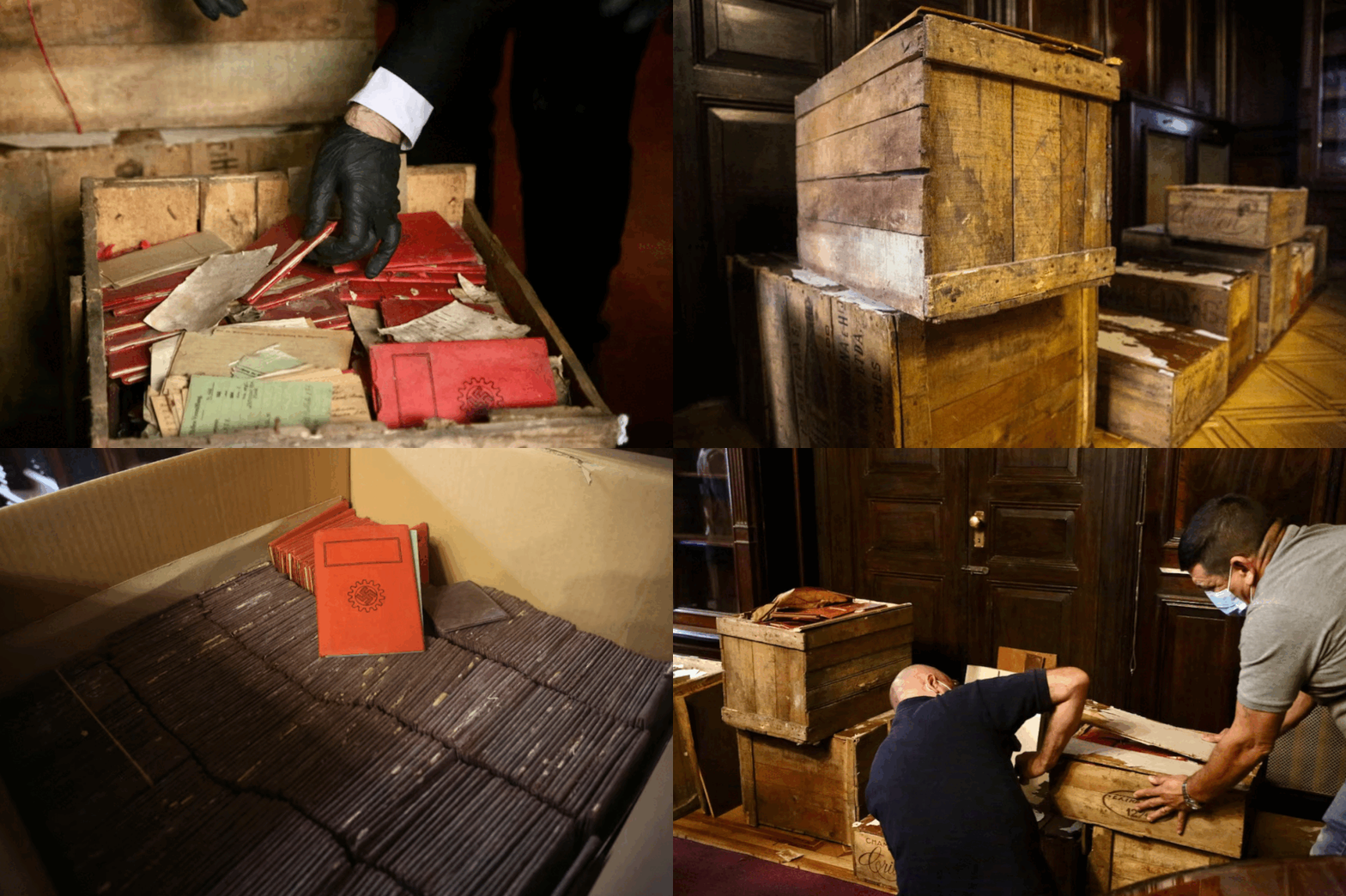
After the Allied victory, many Holocaust survivors emigrated to Argentina. So did Nazi war criminals Adolf Eichmann, the main organizer of the massacre of Jews during the Holocaust, and Josef Mengele, an Auschwitz death camp doctor who conducted experiments on prisoners.
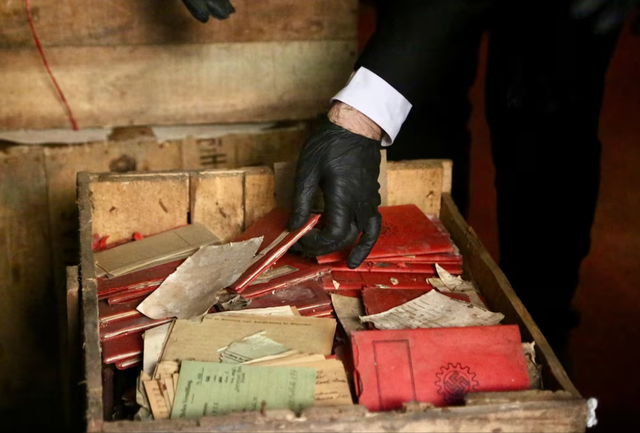
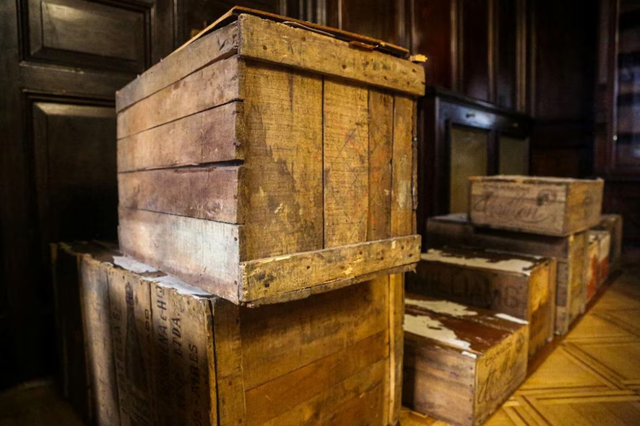
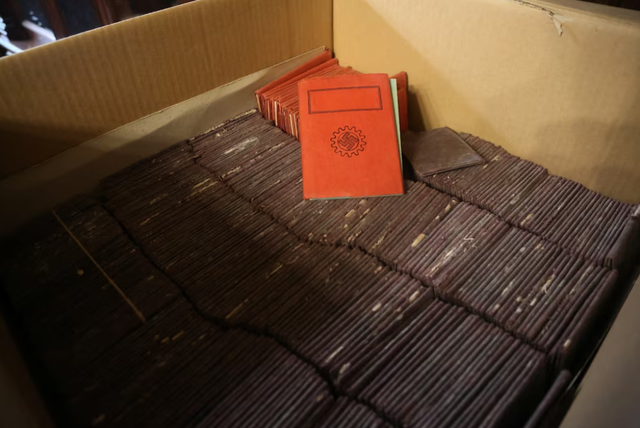
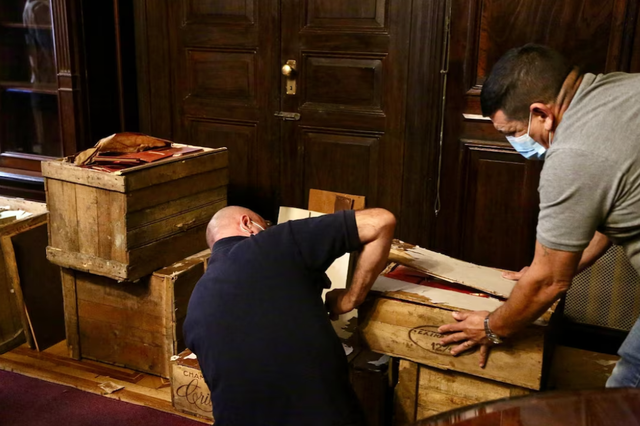
The Supreme Court official had a secret to share when he called Eliahu Hamra, the rabbi of Argentina’s main Jewish community center, one night around New Year’s Eve. The court had found a dozen boxes of Nazi documents in its basement archive containing photos of Hitler, as well as thousands of membership booklets for the Nazi Red Labor Organization stamped with the Third Reich’s swastika.

Silvio Robles, the chief of staff to the court president, wanted the rabbi’s advice on how to handle the discovery, Hamra recalled. It was an uncomfortable subject for Argentina, home to the largest Jewish community in Latin America but also notorious for harboring dozens of Nazi war criminals after World War II.
Hamra said he told Robles that the court could face embarrassing questions about how the Nazi material ended up in its basement.
"I warned him to consider that this could leave a stain on them ," Hamra said in an interview with Reuters.
The conversation with the rabbi was an important early step in a coordinated effort between the Supreme Court and Jewish community leaders to bring the treasure trove of documents to light.
The revelation comes at a time when Argentina is showing a new willingness to look back on its complicated wartime history with the Nazis.
President Javier Milei, who has shown a personal interest in Judaism and strong support for Israel, opened up access to the Nazi documents in April, uploading hundreds of declassified documents online.
"The Argentine government is committed to bringing these issues to light ," said Emiliano Díaz, a spokesman for Milei's government.

Argjentina mbeti neutrale gjatë konfliktit deri në mars të vitit 1945, kur i shpalli luftë Gjermanisë. Pas fitores së Aleatëve, shumë të mbijetuar të Holokaustit emigruan në Argjentinë. Kështu vepruan edhe kriminelët nazistë të luftës Adolf Eichmann, organizatori kryesor i masakrës së hebrenjve gjatë Holokaustit, dhe Josef Mengele, një mjek i kampit të vdekjes së Aushvicit i cili kryente eksperimente mbi të burgosurit, të cilëve iu dha hyrja nga qeveria e Juan Perón.
Edhe dekada më vonë, kjo histori e bëri Gjykatën Supreme të ecte me kujdes rreth zbulimit. Ajo refuzoi t'u përgjigjej pyetjeve me shkrim nga Reuters mbi gjetjen ose të lejonte agjencinë e lajmeve të shihte broshurat.
Gjykata ka thënë se i zbuloi kutitë gjatë përgatitjeve për një muze të ri të Gjykatës së Lartë. Por dokumentet naziste ishin parë herë pas here në arkivat e gjykatës që nga vitet 1970, sipas intervistave me tre punonjës të gjyqësorit dhe një avokat privat me njohuri të drejtpërdrejtë të çështjes. Reuters nuk mundi të përcaktojë pse thesari i dokumenteve nuk u bë publik deri më tani.
-'Mos e prek'
Arkivat e bodrumit të ndërtesës së madhe prej guri të Gjykatës Supreme të Argjentinës përmbajnë qindra mijëra dosje çështjesh ligjore. Është e lehtë të imagjinohet se diçka mund të humbasë.

Materialet naziste u rizbuluan në një dhomë ku ruheshin mobilje të thyera, sipas dy zyrtarëve të gjyqësorit. Robles, i njoftuar për zbulimin, më pas kontaktoi rabinin Hamra. Dhe më 9 maj, Hamra, Jonathan Karszenbaum, drejtori i muzeut lokal të Holokaustit dhe vetë nipi i të mbijetuarve, dhe Horacio Rosatti, presidenti i gjykatës, u mblodhën në dhomën e gjyqtarit për të parë punëtorët teksa hapnin arkat prej druri. Gjykata e njoftoi gjetjen dy ditë më vonë.
Më vonë u tha se zbulimi përfshinte 5,000 broshura anëtarësimi nga Fronti Gjerman i Punës dhe Shoqata Gjermane e Sindikatave, të dyja organizata naziste të punës. Por disa njerëz që kanë punuar në arkiva kanë kohë që dinë për kutitë me materiale naziste. Një punonjës i arkivit tha se i pa kutitë në të njëjtën dhomë magazinimi rreth një dekadë më parë dhe i ra në sy broshura me emra gjermanë në një kuti të hapur pjesërisht.
Në filli të viteve 1970, Alberto Garay, tani avokat dhe ekspert i së drejtës kushtetuese në Buenos Aires, po vizitonte një mik që punonte në arkiva. Ai tha se vuri re një grumbull me fletore të kuqe, të shtypura me svastika dhe të mbështjella së bashku me spango, në dysheme.
"U habita dhe thashë, 'çfarë ke këtu?'", kujtoi Garay. "Ai tha, 'mos e prek'".
-Një anije dhe një bastisje
Sipas Gjykatës së Lartë, materiali mbërriti në Argjentinë në vitin 1941 në bordin e një anijeje japoneze, pjesë e një dërgese prej 83 pakosh nga ambasada gjermane në Tokio. Ngarkesa u sekuestrua nga agjentët doganorë për shkak të shqetësimeve se mund të dëmtonte neutralitetin e luftës së Argjentinës, tha gjykata.
Por për historianin vendas Julio Mutti, puna e të cilit përqendrohet te nazistët në Argjentinë, kjo tingëllonte e pabesueshme. Në një artikull të 15 majit, Mutti sugjeroi që gjykata kishte përzier dy ngjarje që ndodhën me një muaj diferencë: mbërritjen e anijes japoneze dhe një bastisje ndaj organizatave naziste nëntokësore.
Argjentina ishte shtëpia e rreth 250,000 gjermanofonëve në shpërthimin e Luftës së Dytë Botërore. Kur Hitleri aneksoi Austrinë në vitin 1938, më shumë se 10,000 njerëz mbushën një stadium në Buenos Aires për të festuar, duke shkaktuar alarm midis vendasve.

In 1939, Argentina’s president dissolved the local branch of the Nazi party. Two years later, in 1941, Argentina’s congress created a commission to investigate Nazi activities in the country. When the ship Nan A Maru docked in Buenos Aires, the commission asked the foreign ministry to intervene, according to a Reuters review of reports in La Prensa, a popular Argentine daily newspaper at the time.
Inspectors opened five packages, finding propaganda, La Prensa reported. Checks of the remaining 78 packages revealed mostly children’s books, magazines and envelopes with war photographs. There was no mention of membership booklets. Reuters was unable to determine what happened to the seized cargo. Around this time, the commission was also investigating whether the banned Nazi party and the German Labor Front were still operating in secret.
On July 23, a month after the Japanese ship arrived, authorities raided the offices of the German Association of Trade Unions and the Federation of German Charity and Cultural Clubs, fronts for the banned Nazi labor organization and party, seizing thousands of red membership booklets, according to La Prensa. The booklets were kept at the Supreme Court, La Prensa reported.
Mutti, who learned of the raids through archival research in 2016, had searched for the notebooks in the courthouse, eventually concluding that they had been burned to free up space in the archive. When news of the discovery of the red booklets in the basement spread, “I immediately understood where they came from,” he said.
In June, the Supreme Court said it was digitizing and cataloging the materials, and released photos of workers in masks and hairnets carefully examining the find. For now, it is unclear what the rediscovered booklets will reveal. Four historians told Reuters that it is unlikely that the notebooks will provide information not already uncovered by the wartime commission.
Holger Meding, a historian at the University of Cologne, did not expect the booklets to fundamentally change historians' understanding of Nazi activities in Argentina. But, he said, "for historians, every piece of the puzzle is important."/ Reuters




Lini një Përgjigje