


 Shkruar nga Pamfleti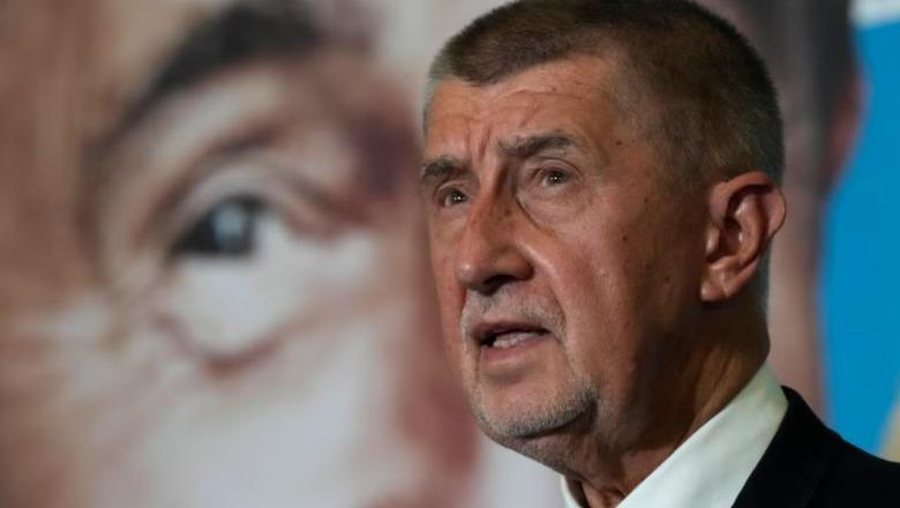
When Czech citizens head to the polls this weekend, many in the Czech Republic and abroad will be concerned that the country could stray from its pro-European path, and distance itself from Ukraine as the war against Russian aggression approaches its fourth year.
The latest polls show that billionaire Andrej Babis and his populist party ANO (PO) are expected to win the parliamentary elections to be held on October 3 and 4, with around 30 percent of the vote.
This means that to form the government, Babis will need coalition partners from among parties with more extreme approaches, a configuration that would bring the Czech Republic politically closer to Viktor Orban's Hungary and Robert Fico's Slovakia, in terms of its stance on Ukraine: cutting aid to Kiev and cooling relations with Western institutions.
Although Prague is not expected to fully align with Moscow's positions, the new government may be more vocal in calling for an immediate end to the war – perhaps under the Kremlin's terms.
"Worrying trend for Kiev"
Political analyst Michael Ashcroft noted in a recent analysis that the Czech Republic could join a “worrying trend for Kiev in Central and Eastern Europe,” with the existing governments of Hungary and Slovakia and Poland’s new president showing less willingness to defend Ukraine’s sovereignty.
“The consequences could include isolating Ukraine from its Western European partners, cutting off military supply lines and deepening divisions within the Western alliance,” he said.
As in Moldova – where last week’s elections were accompanied by a massive Russian-sponsored disinformation campaign to turn voters away from pro-European parties – in the Czech Republic, the Kremlin is seeking to exploit the opportunity to reduce aid support for Ukraine, which has helped Babis return to the political scene.
Russian propaganda on TikTok
A Czech research group has discovered around 300 anonymous accounts on the TikTok platform, focused on spreading pro-Russian narratives and supporting radical parties during the final weeks of the campaign.
The Center for Online Threat Research stated on September 28 that Czech TikTok accounts, with millions of followers, are "systematically spreading pro-Russian propaganda and support for anti-establishment parties."
According to the center, these accounts are not linked to a single political entity, but "provide support for several anti-system parties simultaneously."
“Këto llogari i kanë siguruar 5 deri në 9 milionë shikime në javë më shumë se të gjitha llogaritë zyrtare të liderëve të partive më të mëdha çeke në TikTok”, ka bërë të ditur Qendra për Kërkime mbi Rreziqet Online.
Kush me kë mund të bëjë koalicion?
Analistët thonë se gjithçka varet nga fakti se cilat parti do të arrijnë të hyjnë në Parlament, pasi Babishit me shumë gjasë do t’i duhet të krijojë koalicion.
Koalicioni aktual qeverisës “Spolu” (Së Bashku), i përbërë nga parti të qendrës së djathtë, përfshirë Partinë Demokratike Qytetare të kryeministrit aktual Petr Fiala, renditet në sondazhe rreth 20 për qind. Dy partitë e tjera të qeverisë aktuale “Stan” (Kryetarët dhe të Pavarurit) dhe “Piratët” pritet të marrin nga 10-12 për qind.
Të gjitha këto parti kanë deklaruar se nuk do të hyjnë në koalicion me ANO-n dhe as nuk do ta mbështesin atë si qeveri të pakicës.
Por, kjo është retorikë parazgjedhore mund të ndryshojë pas zgjedhjeve, veçanërisht nëse bëhet e qartë se ndonjëri opsion do ta largonte vendin nga rruga properëndimore. Në rast se partitë radikale bëhen partnere të koalicionit, ato mund të kërkojnë ministri të rëndësishme sikurse ajo e Jashtme apo e Mbrojtjes.
Gjithashtu, disa fraksione brenda Qeverisë aktuale - veçanërisht në Partinë Demokratike Qytetare - ndajnë disa nga qëndrimet e ANO-s: mbështetje për NATO-n, por skepticizëm ndaj BE-së, Eurozonës, kuotave të refugjatëve dhe marrëveshjeve për klimën.
Partnerët e mundshëm: Nga ekstremi i djathtë deri tek e majta radikale
Ndryshimet në kursin politik mund të jenë edhe më të thella nëse Babishi bashkëpunon me parti edhe më radikale sesa ANO-ja.
Këtu përfshihen partia e ekstremit të djathtë SPD, e cila renditet mbi 10 për qind në sondazhe, si dhe partitë më të vogla AUTO (Motoristët për veten) dhe Stacilo (Mjaft), të cilat mund ta kalojnë pragun prej 5 për qind për të hyrë në Parlament.
Qeverisja me ndonjërën prej këtyre partive do të sillte një afrim të vërtetë me Orbanin dhe Ficon – të dy kritikë të ndihmës për Ukrainën dhe mbështetës të vazhdimit të importit të naftës dhe gazit rus, edhe pas luftës së nisur nga Moska në Ukrainë në shkurt të vitit 2022.
Roli i presidentit Pavel
Një figurë e rëndësishme pas zgjedhjeve do të jetë ajo e presidentit properëndimor Petr Pavel, një ish-gjeneral i lartë i NATO-s, i cili ka kompetenca në formimin e Qeverisë dhe politikën e jashtme.
Pavel e ka bërë të qartë se nuk do të lejojë krijimin e një qeverie që devijon ndjeshëm nga kursi perëndimor i vendit.
Babish - figurë e përhershme në politikën çeke
Andrej Babish ka qenë pjesë e pandarë e politikës çeke gjatë 15 vjetëve të fundit – fillimisht si ministër financash dhe zëvendëskryeministër, më pas si kryeministër në periudhën 2017 - 2021. Ai e ka synuar edhe karrigen e presidentit, por është mposhtur nga Petr Paveli në zgjedhjet e vitit 2023.
As one of the Czech Republic's richest people, with large interests in agriculture and media, Babis has repeatedly faced accusations of conflict of interest and fraud with EU subsidies.
Yet it is precisely these powerful business interests that some believe can keep Babis – and the Czech Republic – tied to the West, as relations with France, Germany and Austria, as well as agricultural subsidies from the EU, remain more important than anything Moscow or Beijing can offer.
In recent years, Babis has pursued an increasingly populist course and is one of the founders of the largest populist force on the continent, the Patriots for Europe, a political family that also includes Orban's Fidesz, Marine Le Pen's party, the National March, Spain's Vox, and Austria's Freedom Party.
He has also expressed support for Robert Fico's Smer party, even though it is not an official part of this alliance.
By positioning themselves against Brussels, as well as on environmental and immigration issues, these political forces find support not only in Central Europe, but also in many Western capitals, where right-wing populists - in various forms - are on the rise or already in power./REL





Lini një Përgjigje